Campsites near Stornoway
Top-rated campgrounds near Stornoway
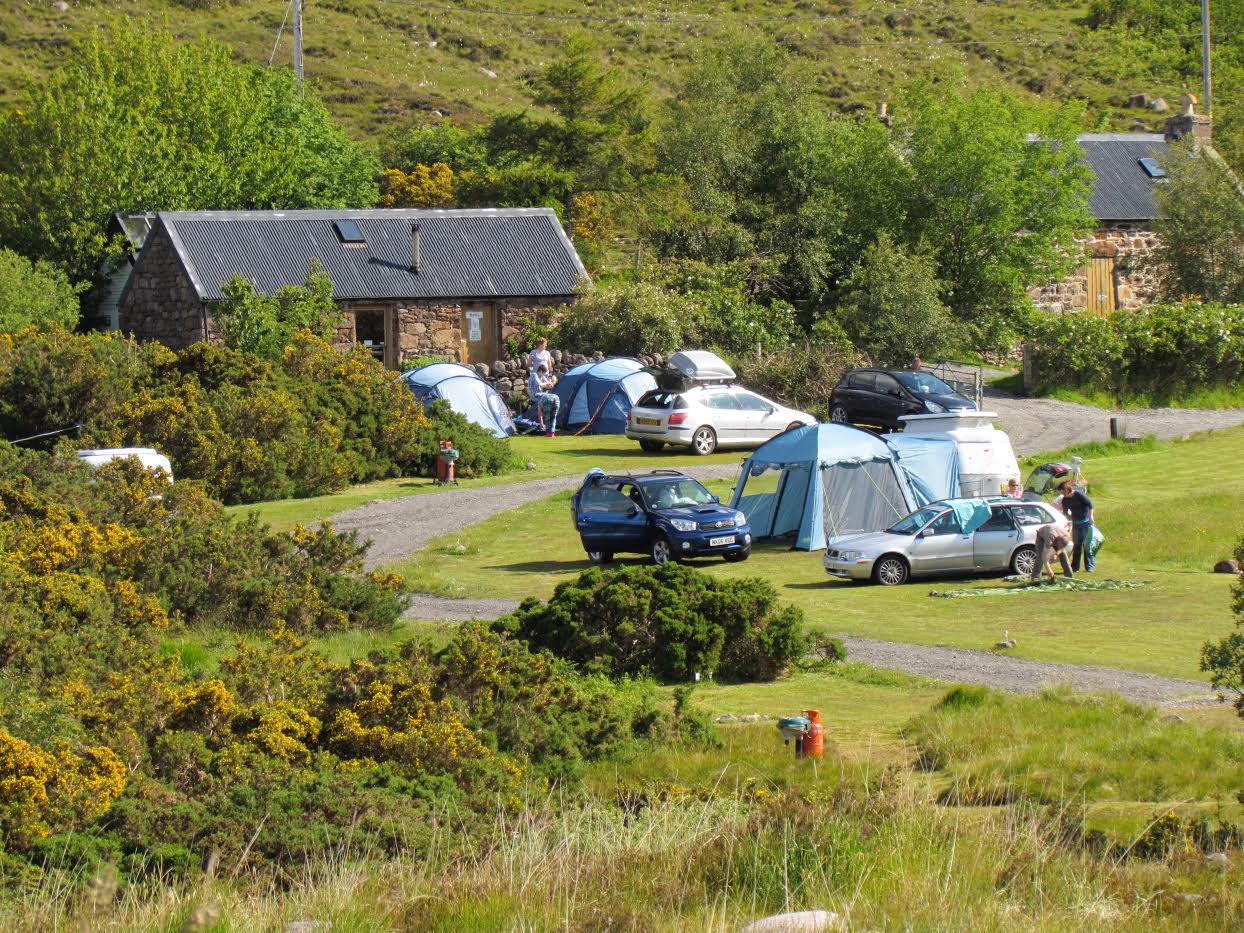
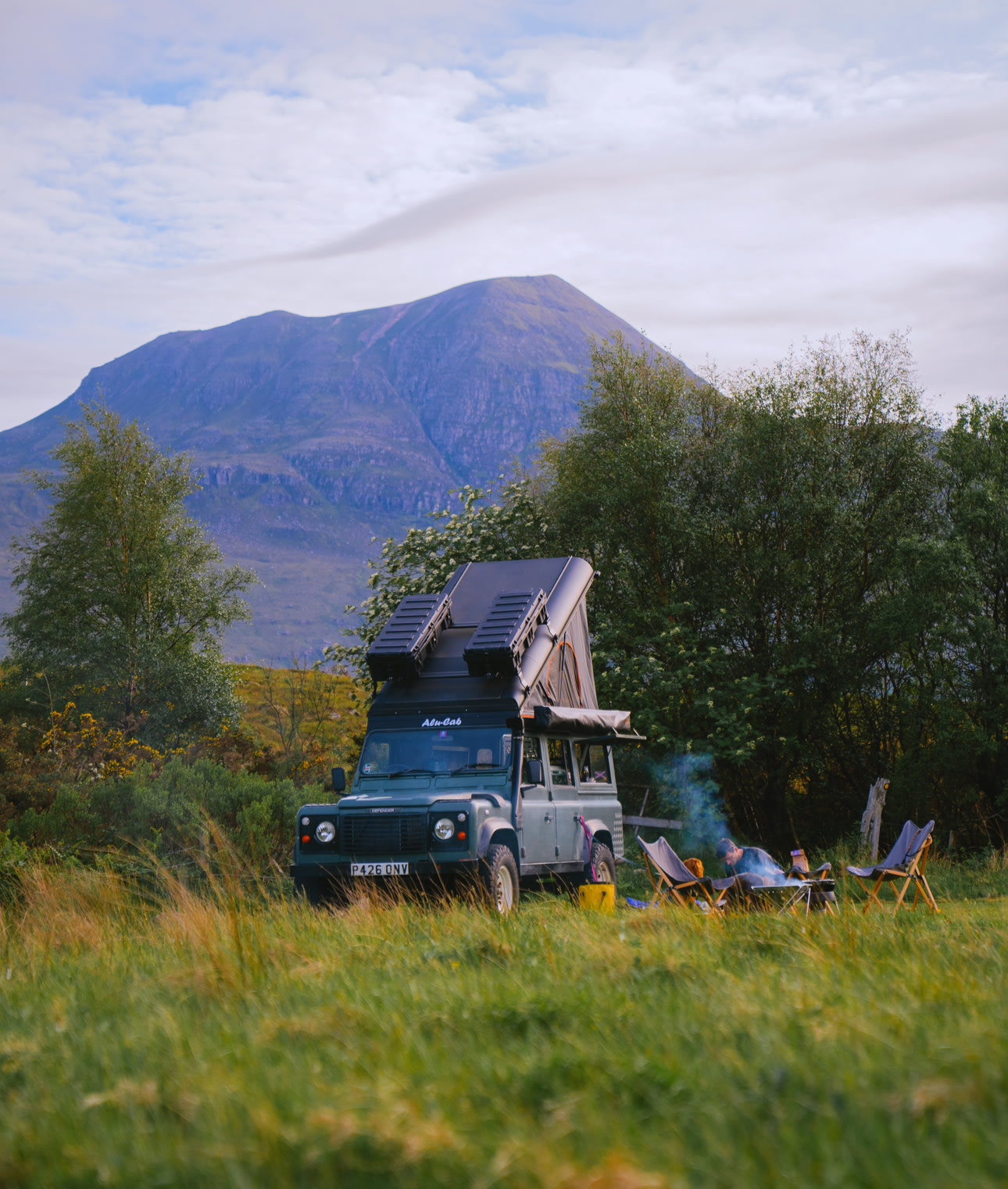
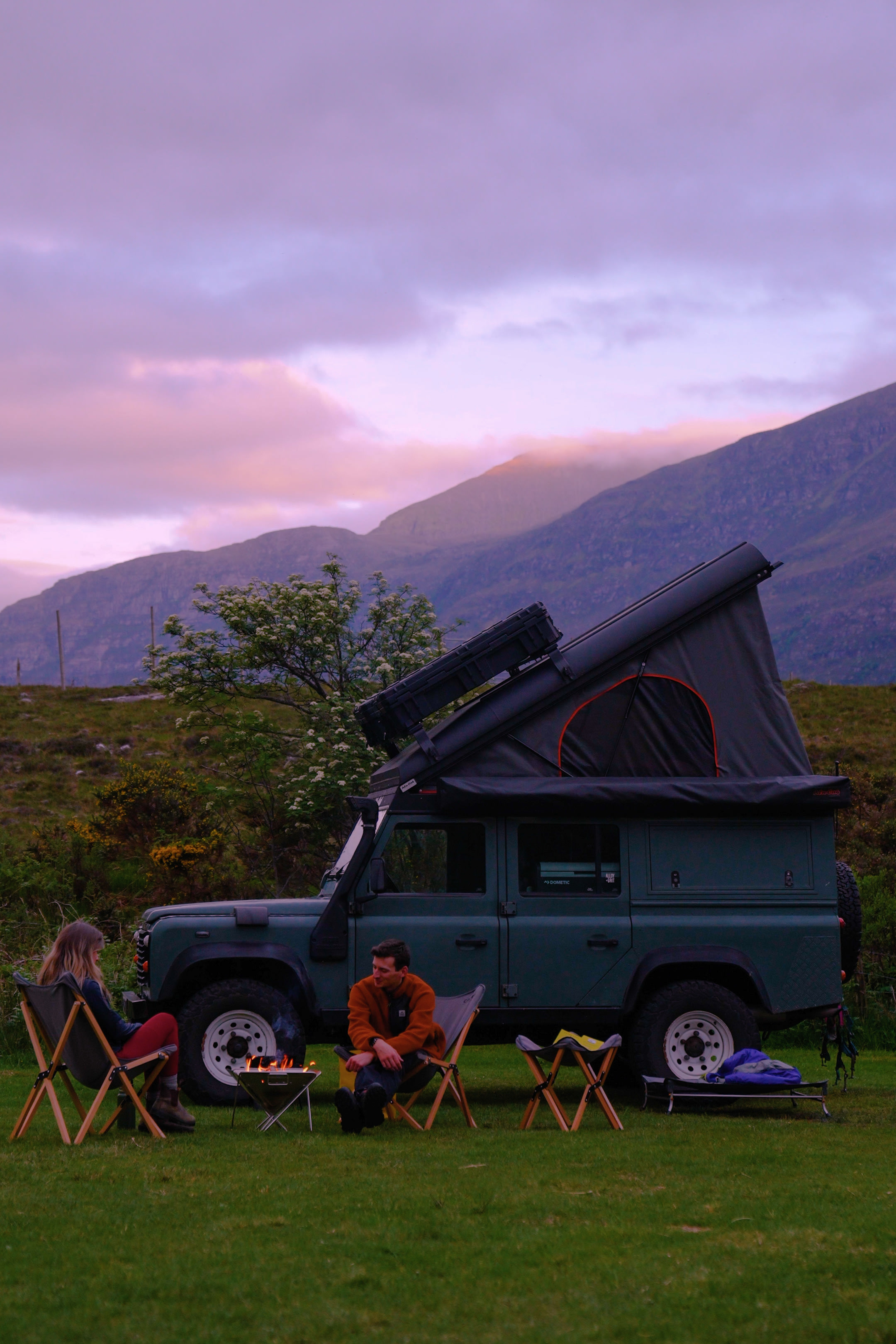
1. Badrallach Campsite
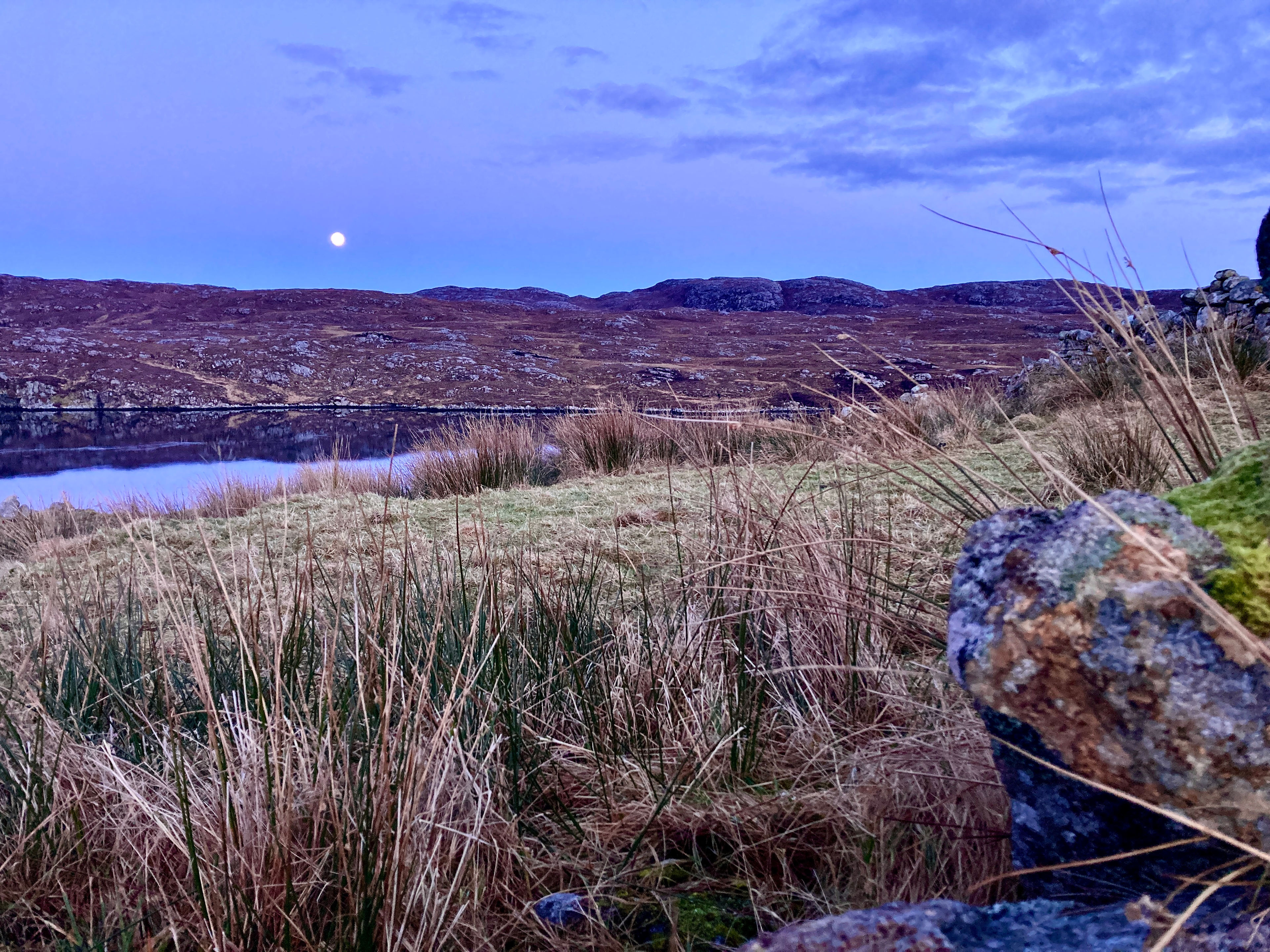
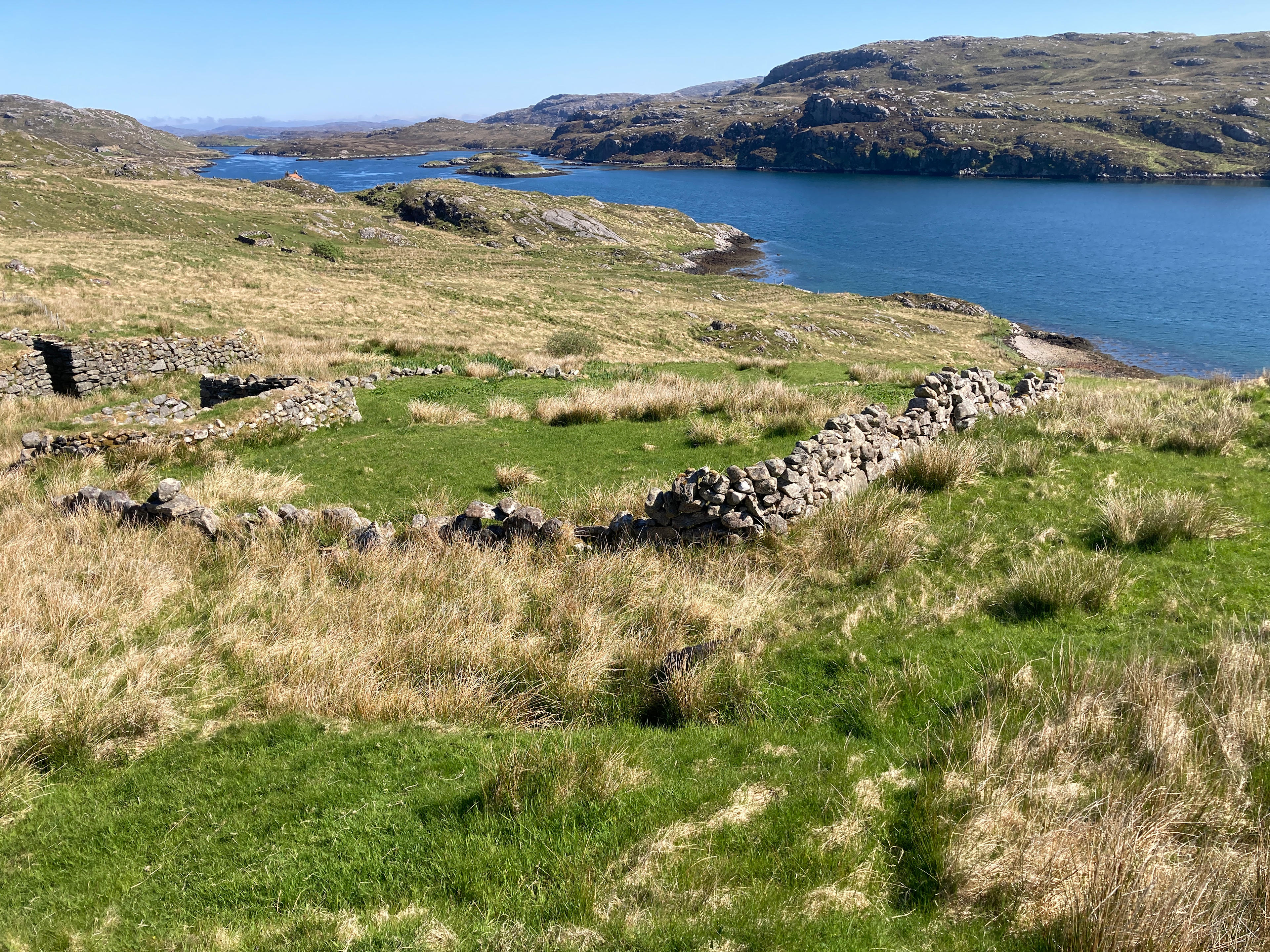
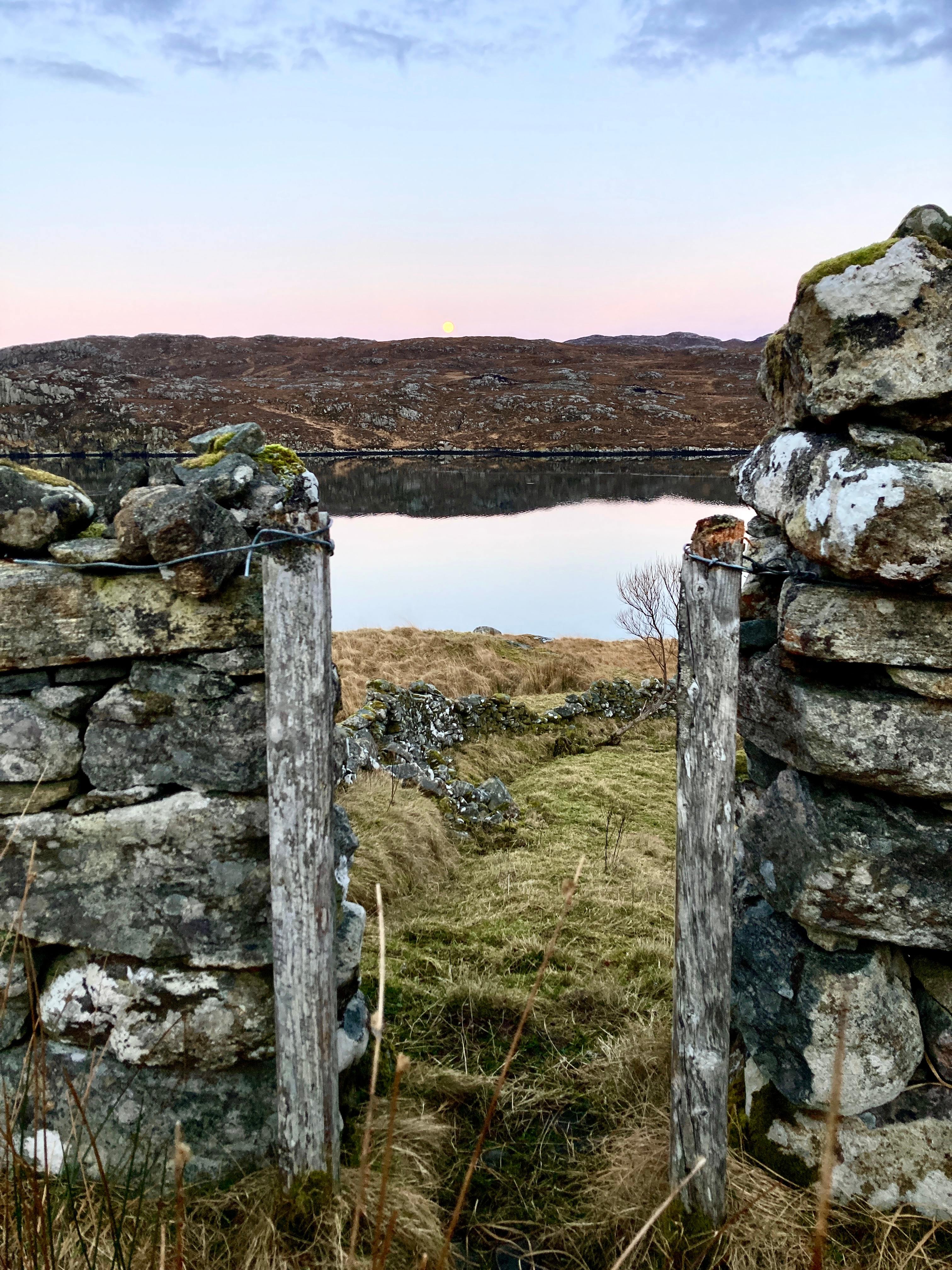
2. Croft 5 - Exclusive Wilderness Camp
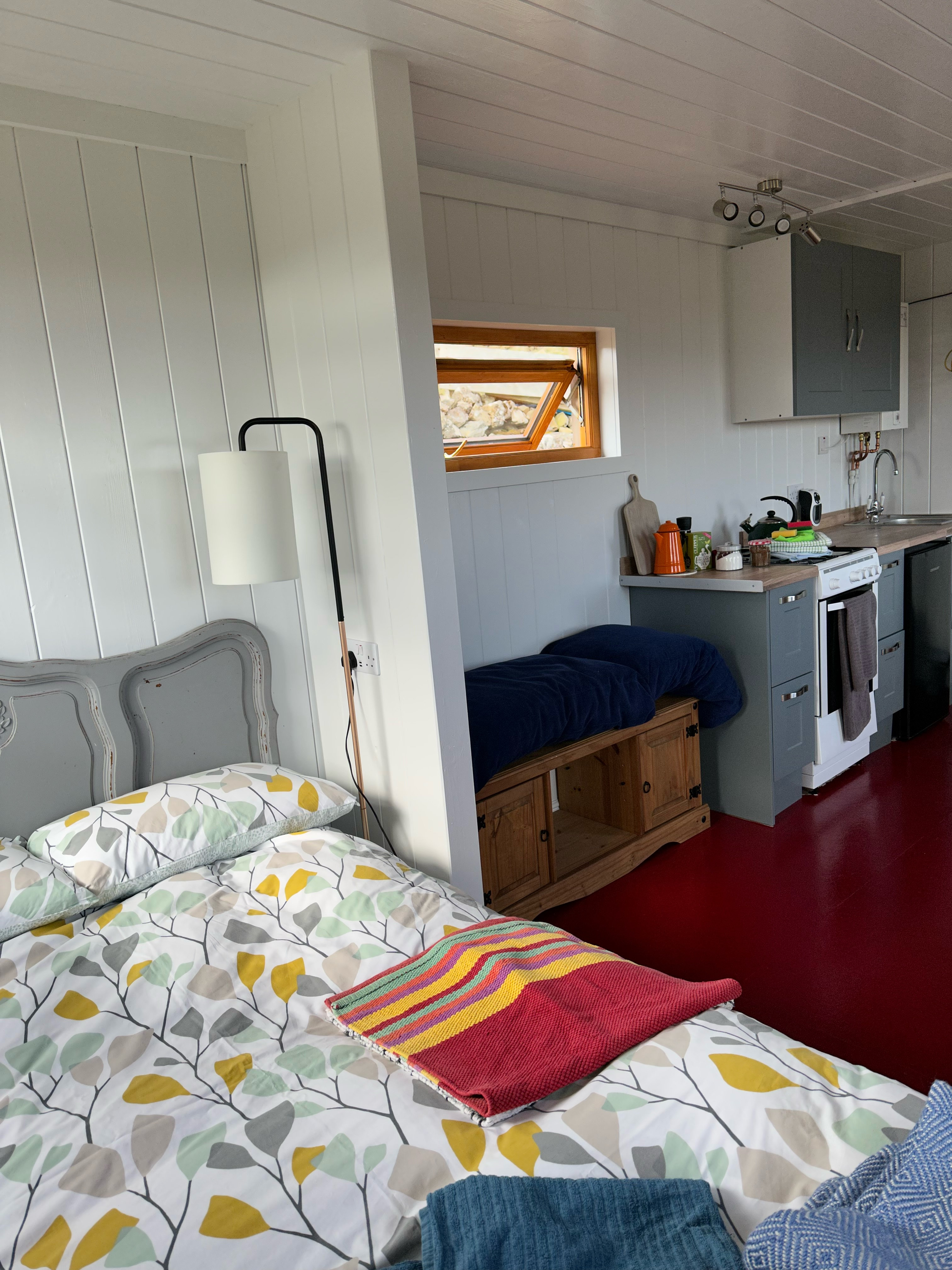
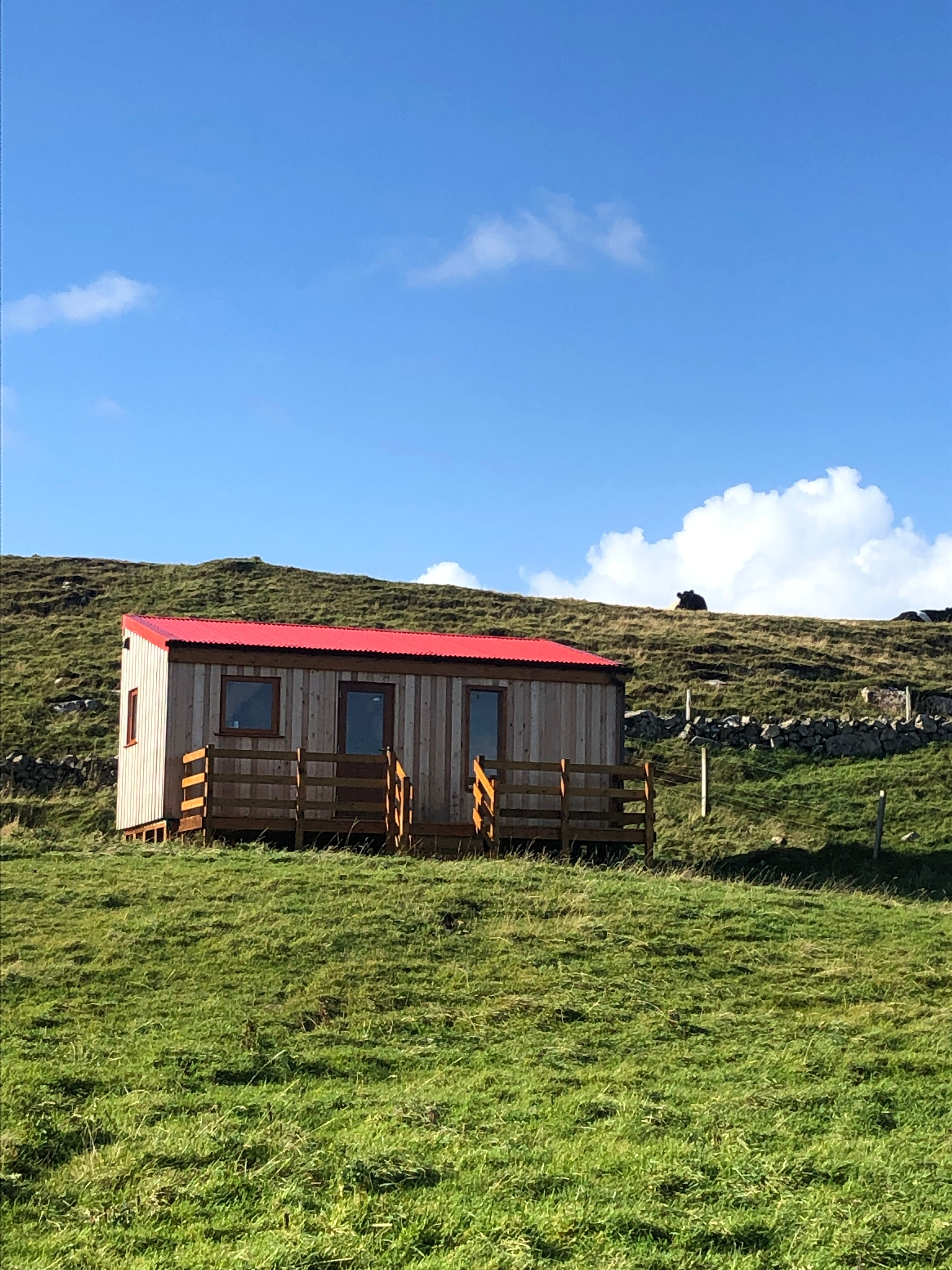
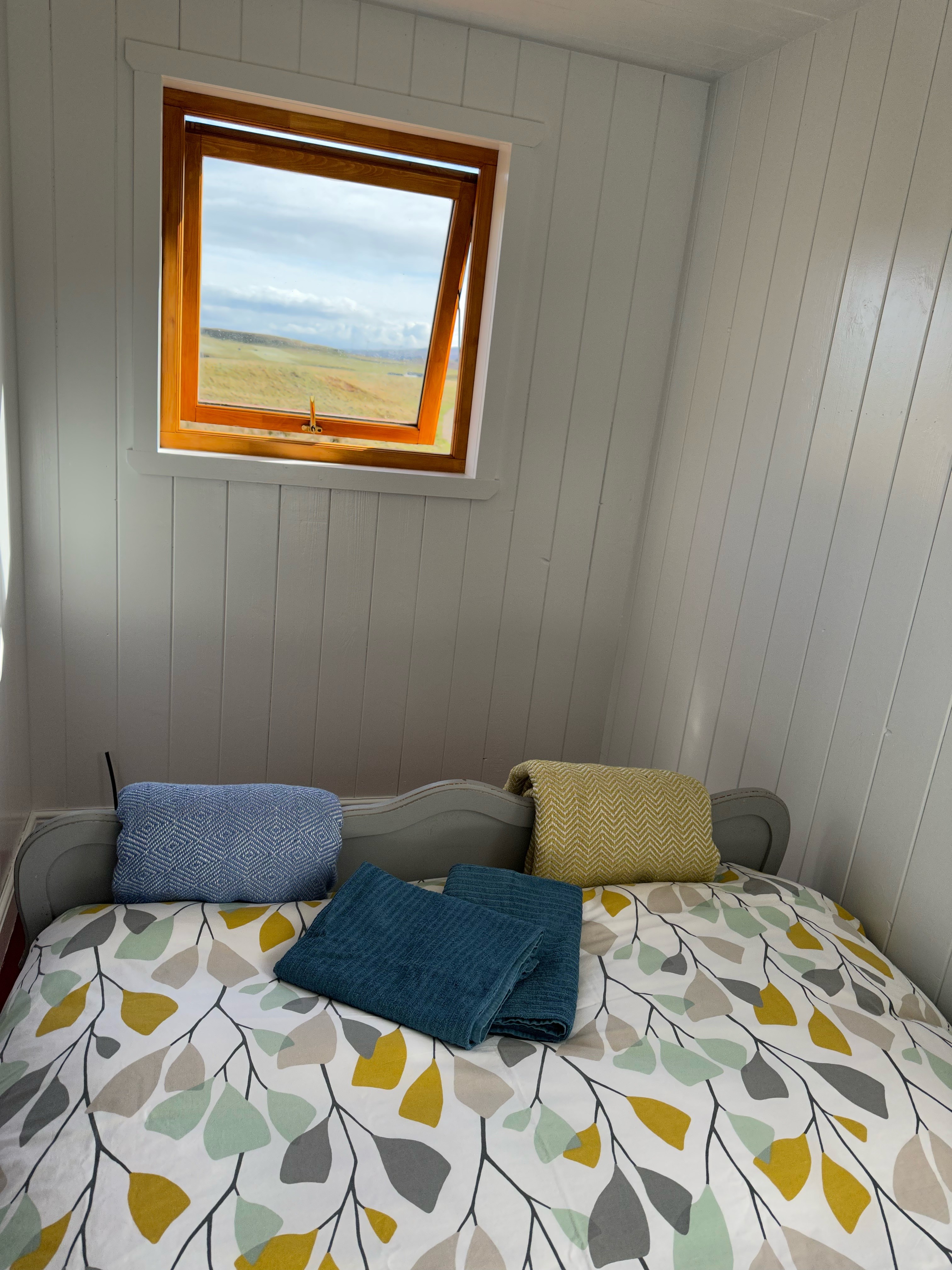
3. Sanday Cabin
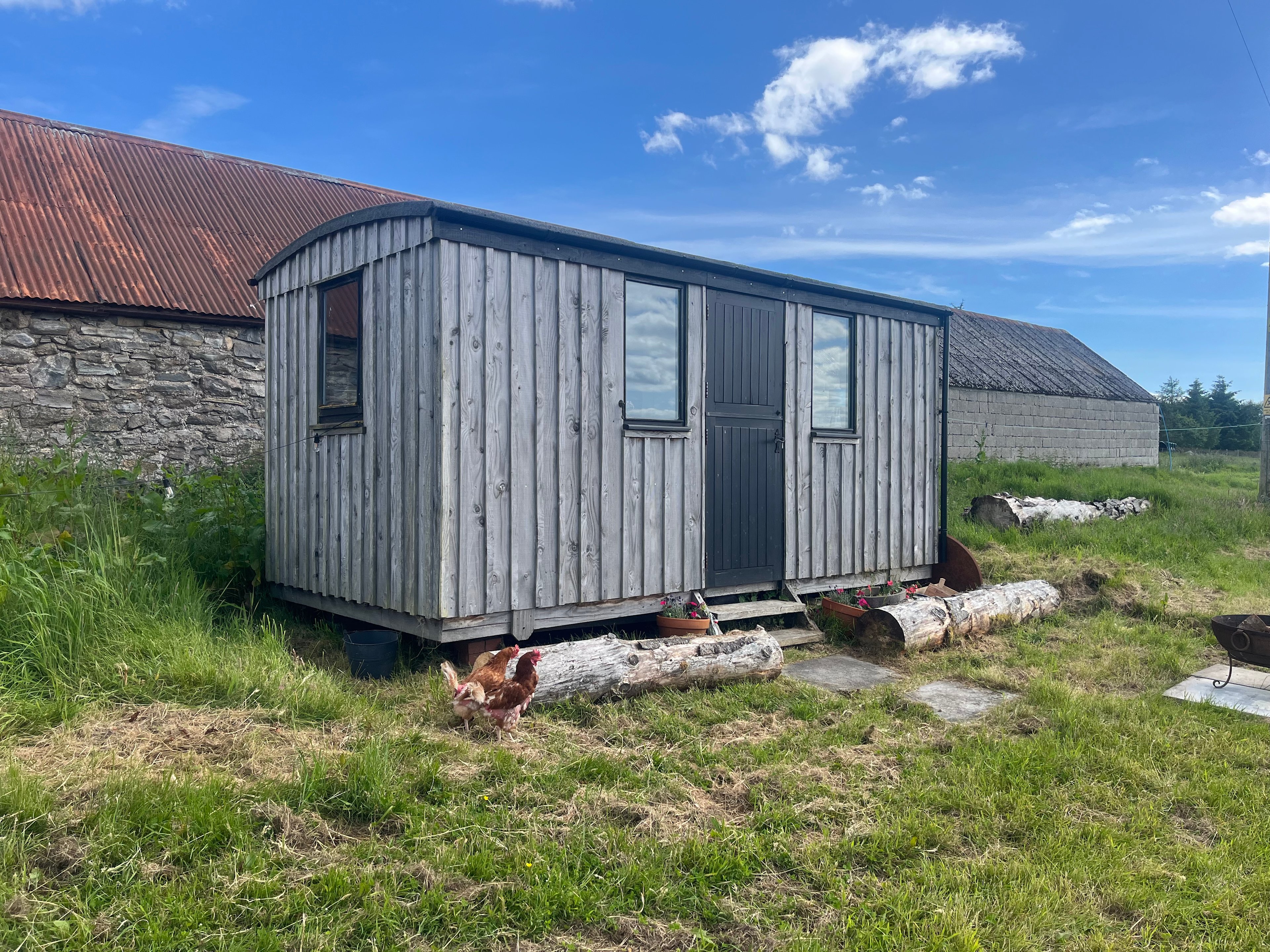
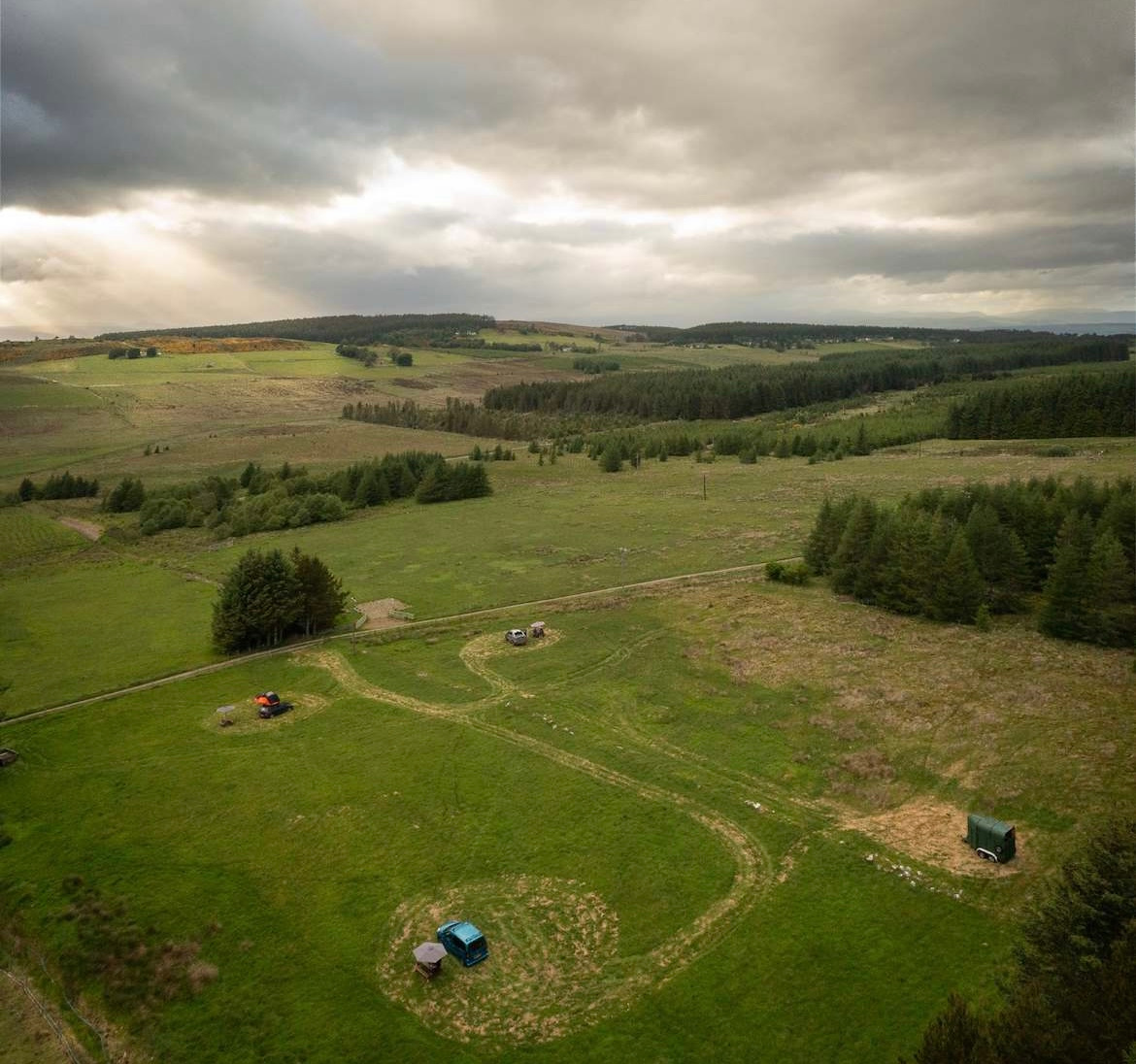
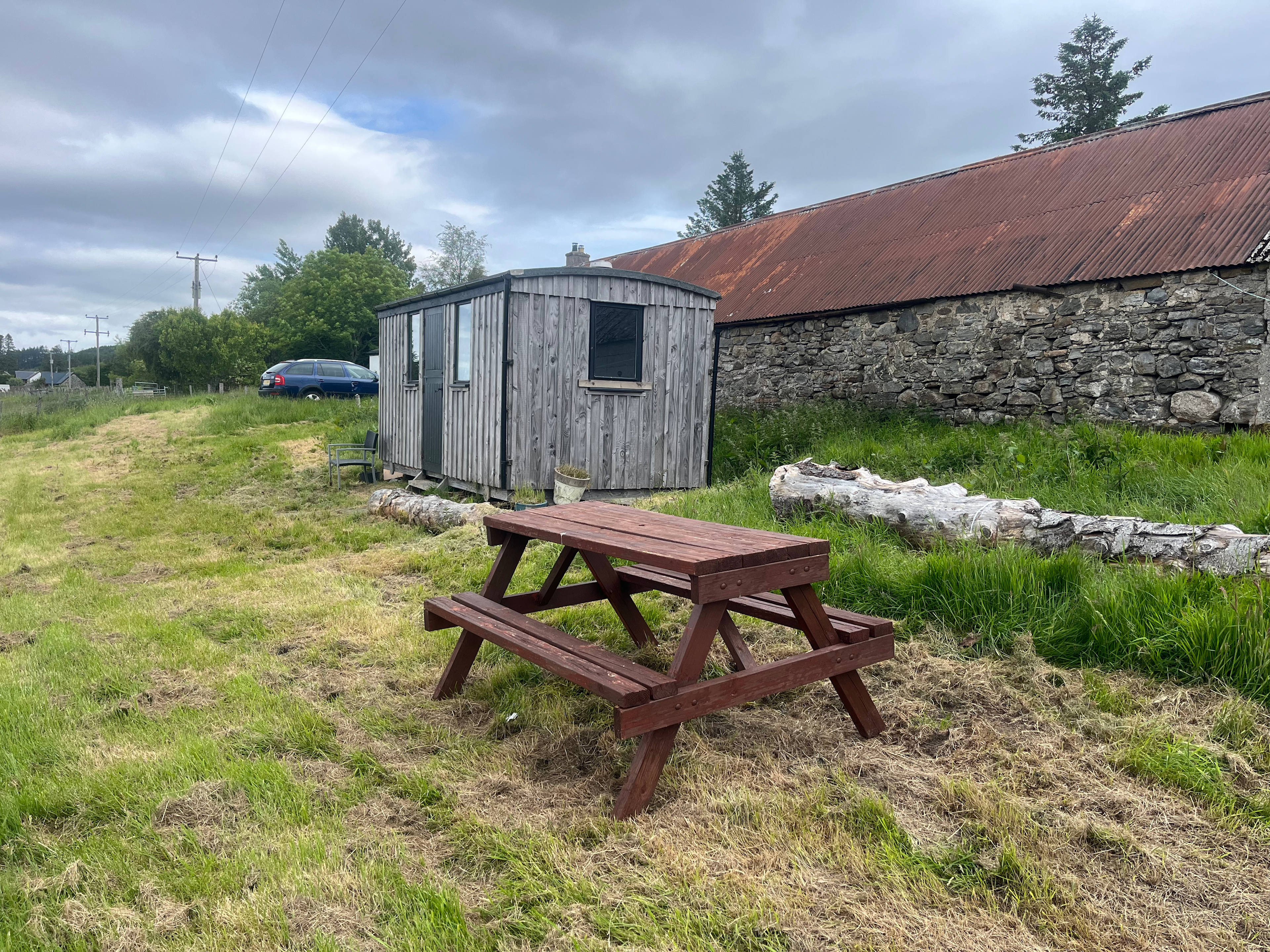
4. Caiplich Farm
Recent reviews from the Hipcamp community
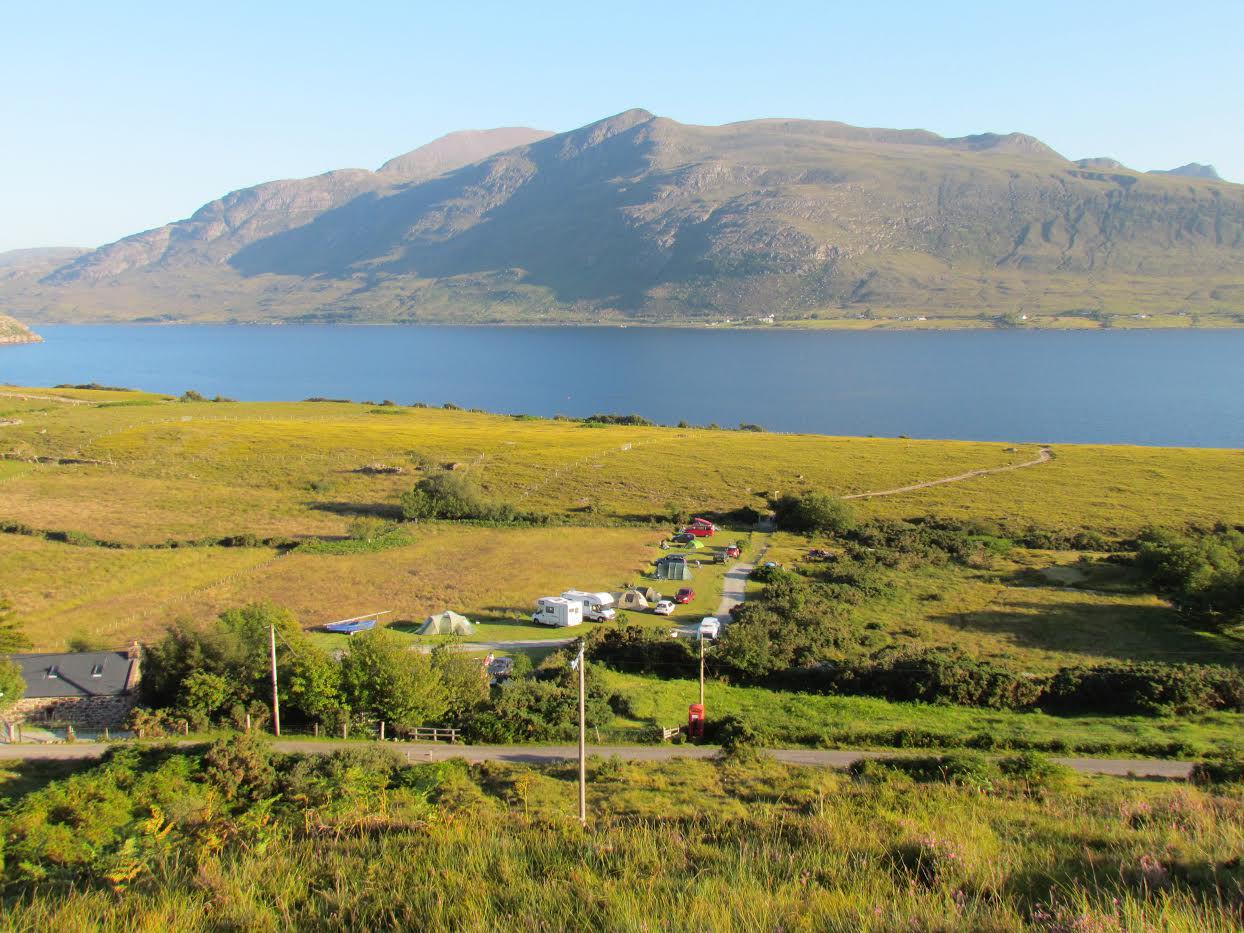
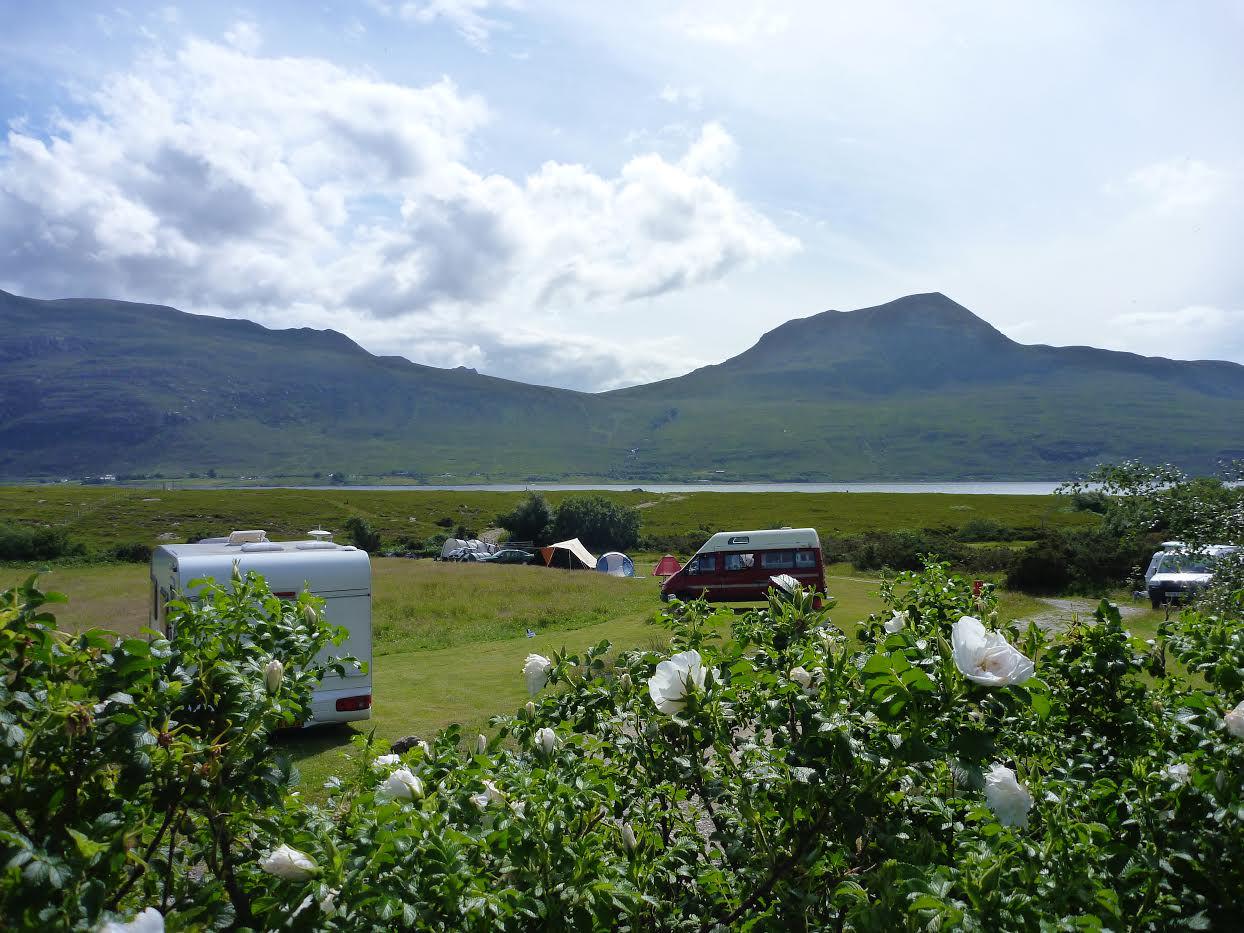
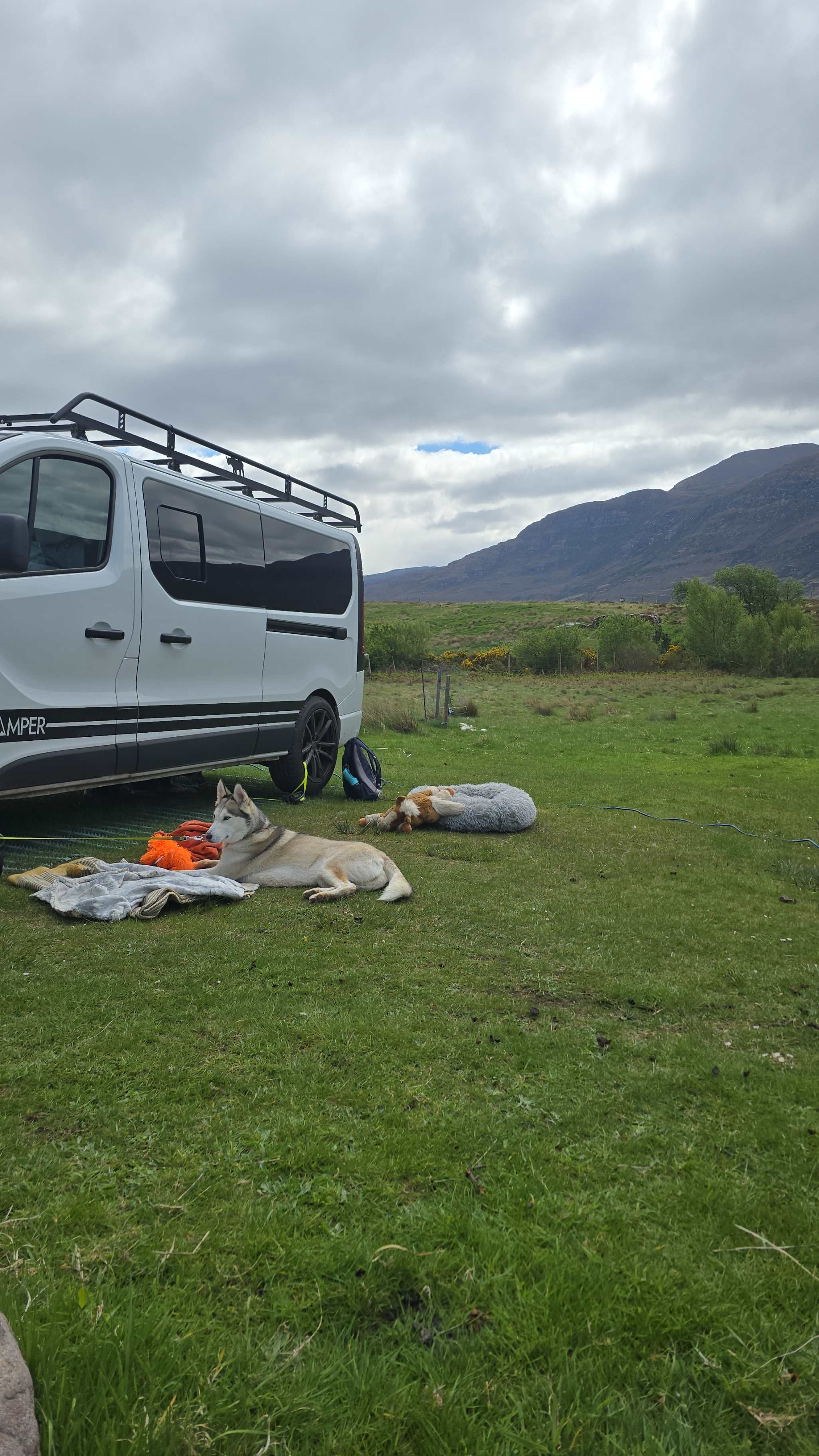
Stornoway camping guide
Where to go
Lewis
Lewis, the island on which Stornoway sits, has some of the most otherworldly terrain of anywhere in Scotland: rolling peat bog littered with ancient monuments, spilling all the way to a windswept shore with sporadic dazzling sandy beaches. The best camping is on the northwest coast either side of Lewis’ main attraction, the prehistoric stone monuments of Callanish.
North Harris
The divide between Lewis and North Harris is imperceptible, but the scenery does start to change, with mountains thrusting out of the boggy moorland so rocky and remote that this is one of the best places for observing golden eagles in Europe. On the moorland close to the couple of roads that exist here, there is decent wild camping, plus a campsite at Huishnish.
South Harris
South Harris is postcard Outer Hebrides: low green hills give way to some of Scotland’s sandy beaches on one side of the island, whilst the lunar-like craggy landscape around the Golden Road makes for spectacular adventures too. Campers are spoiled for choice, with a cluster of camping spots around Luskentyre Beach and several more over in the rockier east.
When to go
Whilst Stornoway is a more accessible year-round destination than almost everywhere else on the Outer Hebrides, the period of April to October remains best for a visit. This is when bad weather is least likely to cancel transport connections, when wind and rain are likely to be less intense for campers, and when traditional campsites are likely to be open. All the Outer Hebrides are scant on tree cover of any kind, meaning shelter from the elements is limited.
Know before you go
- Stornoway has year-round ferry connections to Ullapool on the Scottish mainland, plus an airport, with regular flights to Scottish mainland destinations including Glasgow and Edinburgh.
- If spending time camping on the Outer Hebrides, Stornoway is the only place where you can count on getting provisions, with a dedicated outdoor store and supermarkets. As good or better for gear and provisions, though, is Ullapool.
- Extreme stormy weather can cancel transport schedules at any time.
- Bad-weather alternatives for campers in the Outer Hebrides are the three simple Gatliff Trust hostels on Harris, Berneray, and South Uist.