92% (175) • 52 campsites
Top-rated RV parks near Canmore
Rough Diamond Ranch Alberta
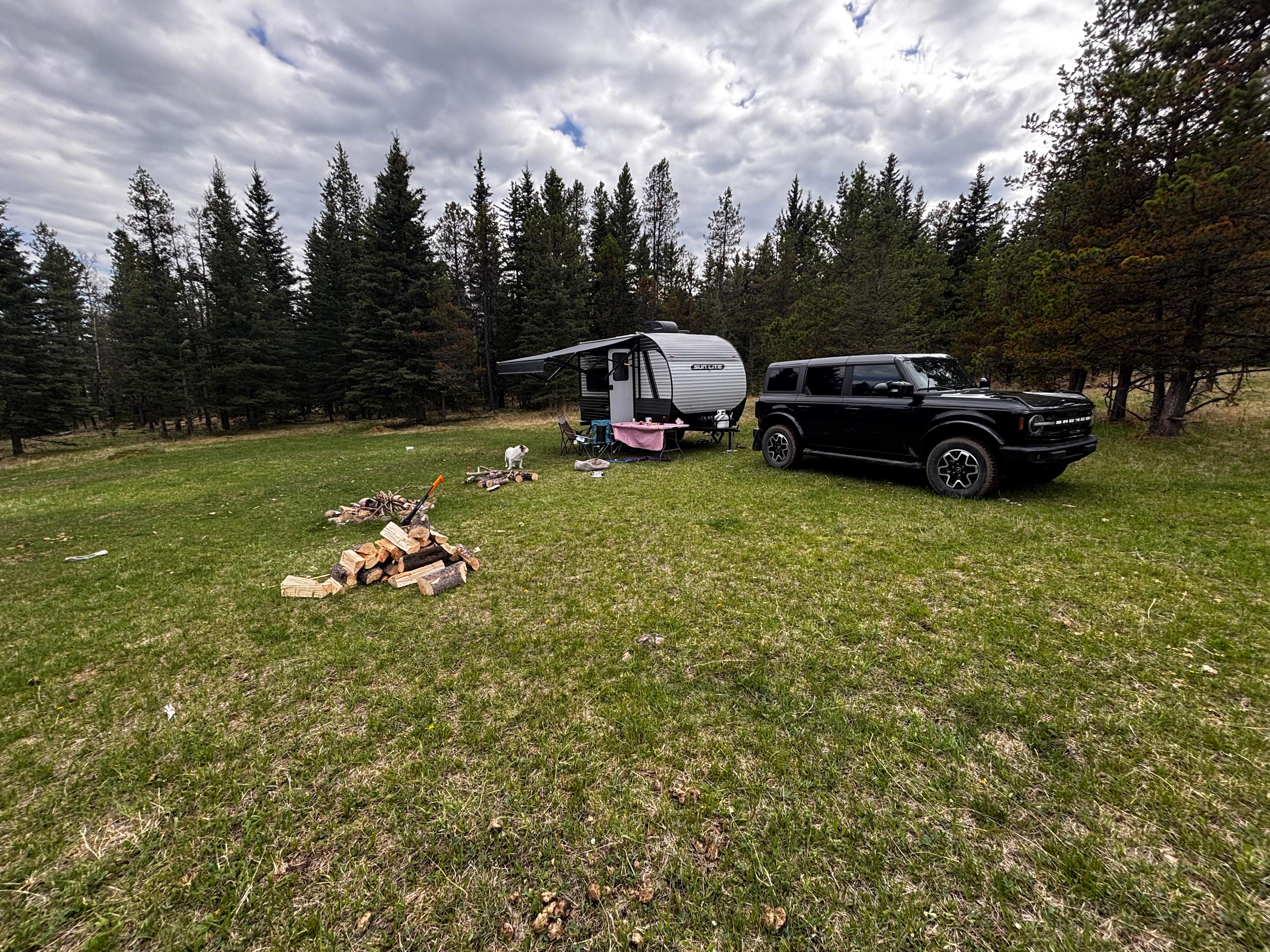
1. Rough Diamond Ranch Alberta
97%
(137)
63km from Canmore · 7 sites · Tents, RVs, Lodging
Quiet, majestic back to nature spot!
This is a place to get away from a busy life.
With close proximity to Winchell Lake, this land is ideal for fishing, hiking or simply enjoying the breathtaking scenery.
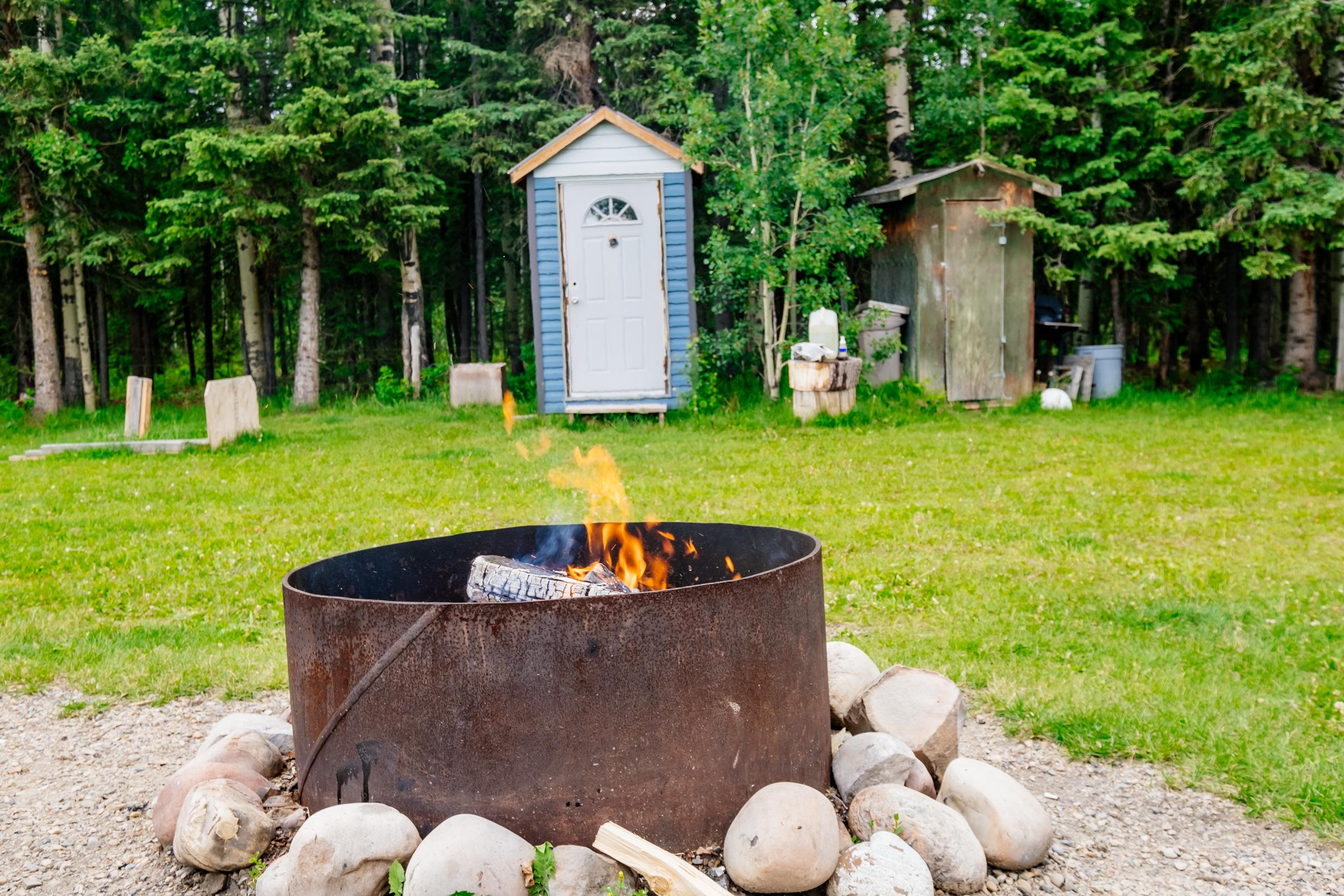
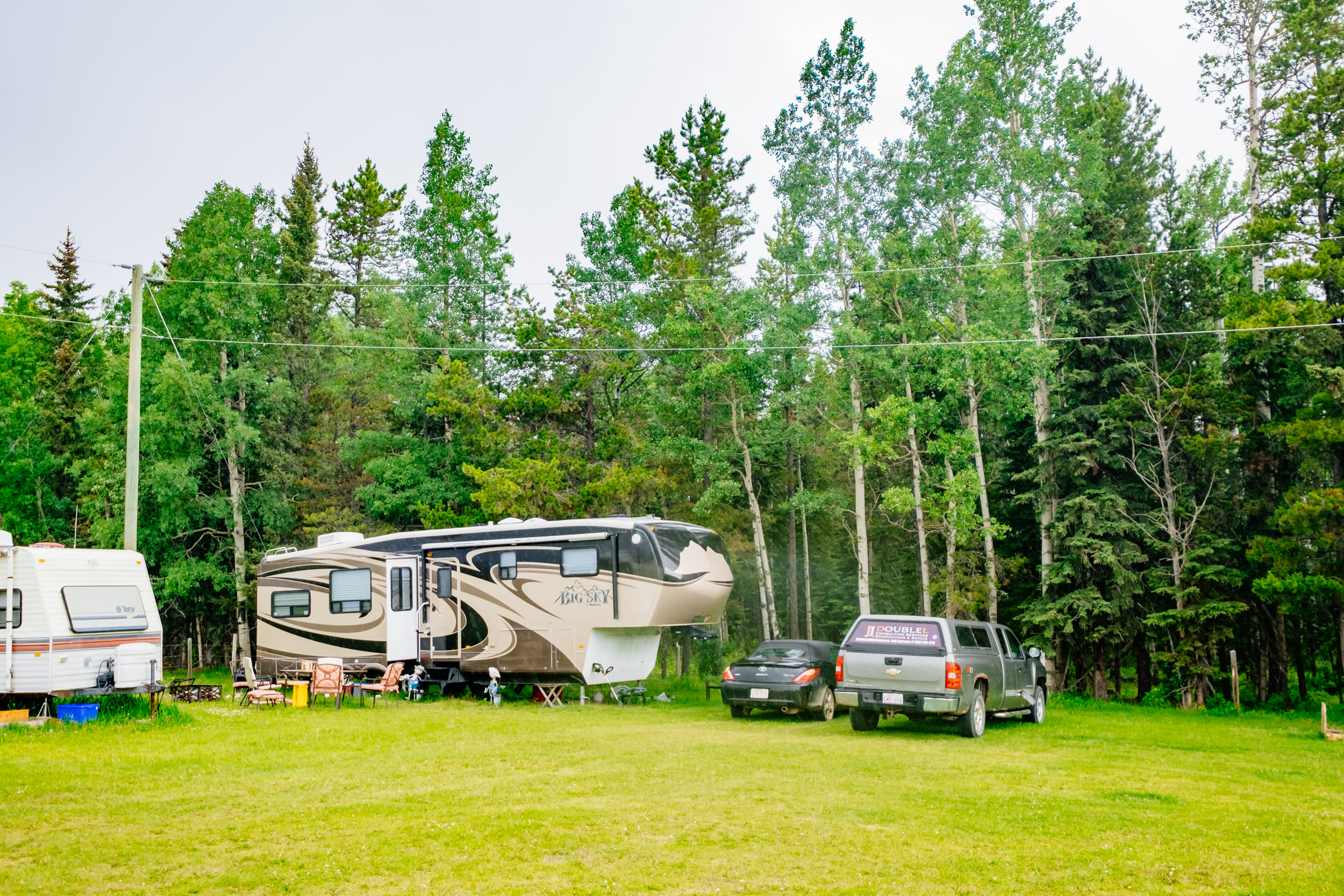
We have 4 campsites available for tent or RV/trailer campers. If you're bringing an RV, we have two power outlets and water available. You will be parking on a field and the site requires levelling.
Electricity and firewood are both available for purchase (see extras below). Please add this to your reservation at the time of booking.
Campfires are permitted, pets are welcome. Potable water, picnic table, and outhouse are all available.
We have cows, goats, chickens, horses and dogs and cats on the property that
generally love people. :) I have only one dog and typically allow dogs to run off leash. We do have to be careful that it doesn't turn to a dog gang as this happened once and they took down one of my goats. The goats Hon and Chewy are okay but it took months for poor Hon to heal. I also worry about the chickens and the cats so please keep and eye on your dogs!
Lots of treed areas for private camping, horseback riding hiking and walking!
Bird watching is big around here as we are on a bird migratory path.
We are just above Winchell Lake and less than 10 km from Water Valley Golf Course and Saloon.
Please recognize that you are visiting a Ranch not a campsite. We are sharing our piece of heaven with you and you are helping to support our animals and their heaven.
Chickens are "True" Free Range and hand fed every morning. Eggs are $10 a dozen to pay for their feed. :)
Every spring the rain tends to cause ruts and washes out some of the road on the way to the back forty where the meadow is. We gather rocks on the property to fill the ditches but the early part of the year the roads can be bumpy. Please ask the conditions of the road when you book if you have concerns. Thanks!
Electrical hookup
Water hookup
Pets
Onespot Crossing Campgrounds
2. Onespot Crossing Campgrounds
84%
(76)
57km from Canmore · 45 sites · Tents, RVs
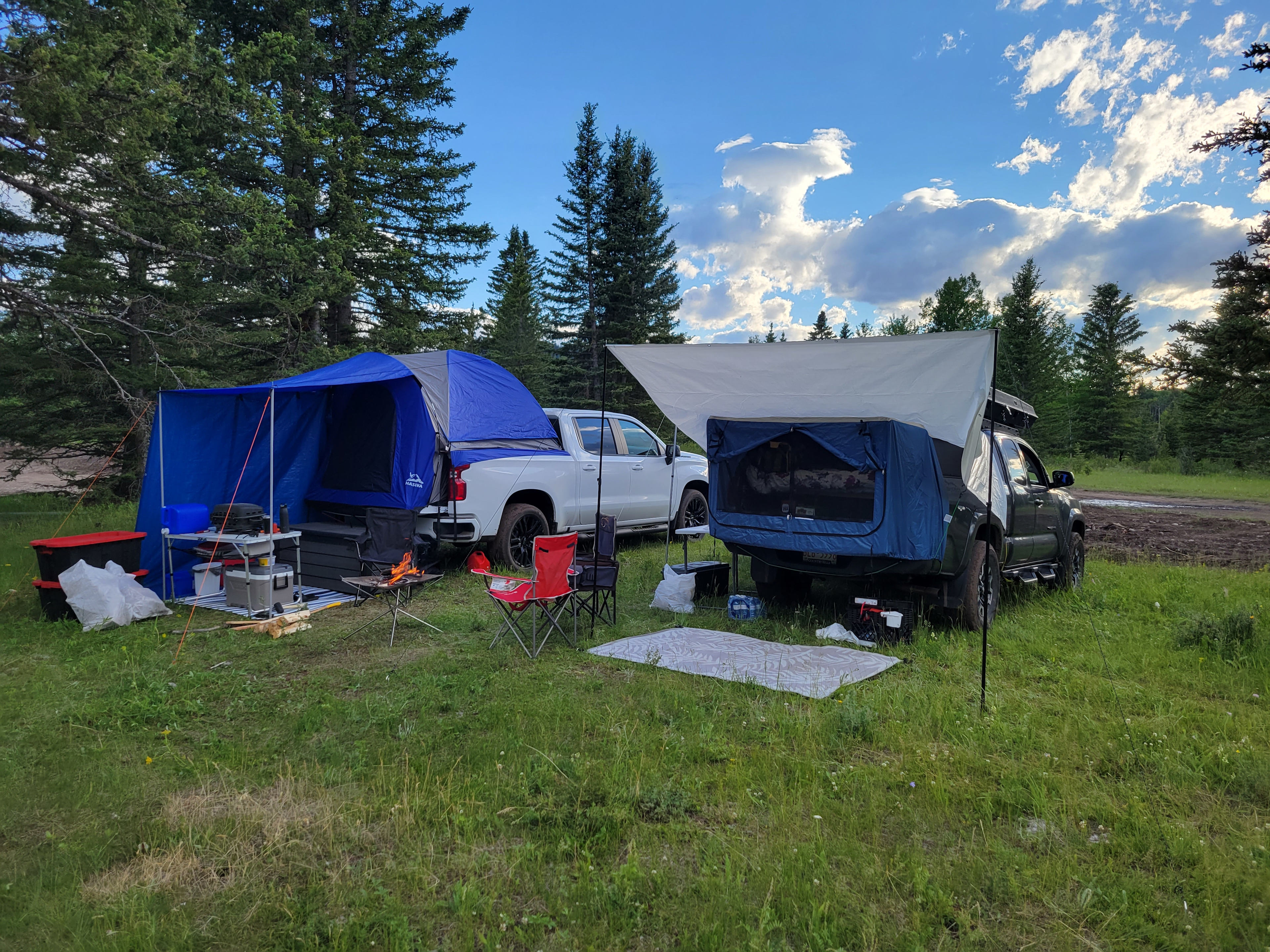
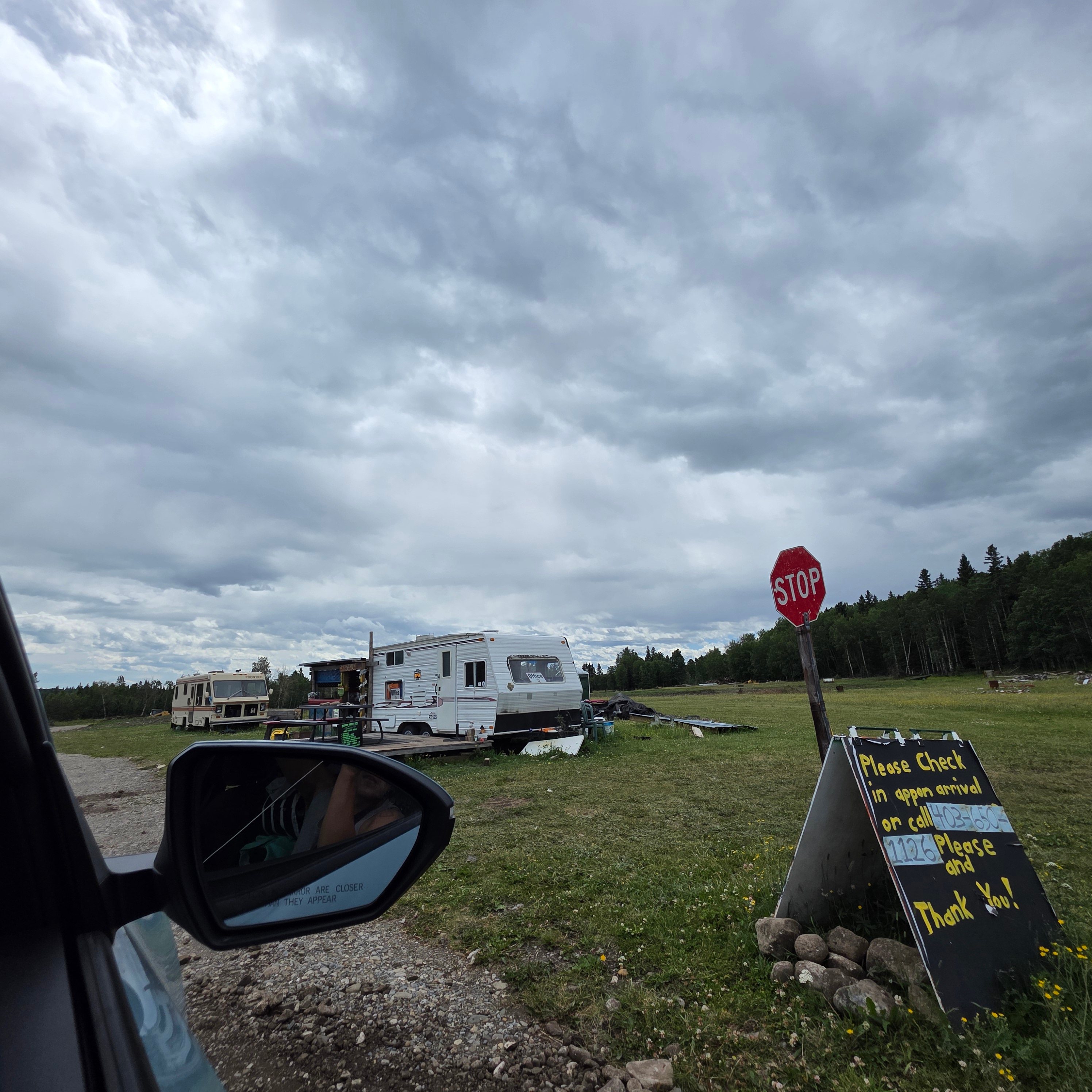
Learn more about this land:OPEN ALL YEAR!Our campsite is the perfect city escape. We’re 40 minutes away from downtown Calgary but completely surrounded by nature.With over 50 acres, we offer very large, open, and spacious campsites to accommodate all. If you want a group gathering or a quiet secluded weekend, we are here to accommodate everyone and are very flexible with our customers' needs - feel free to message me with any questions. Picnic tables and firepits are provided in all of our unserviced natural sites. There is a toilet available.Onespot Campground is all-natural and has no power or water campground. Generators are permitted. Trailers need to fill water and dump trailer before arriving (we have no water and no dump site yet).Close to West Bragg Creek Provincial for hiking and mountain biking in the summer and cross-country skiing in the winter.We are a family-friendly and pet-friendly campground. To ensure that we respect all guests, we have an 11 pm curfew. We look forward to hosting you!
Pets
Wolf Corral
3. Wolf Corral
100%
(7)
78km from Canmore · 1 site
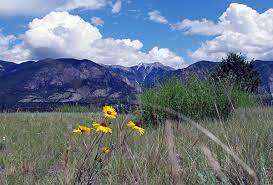
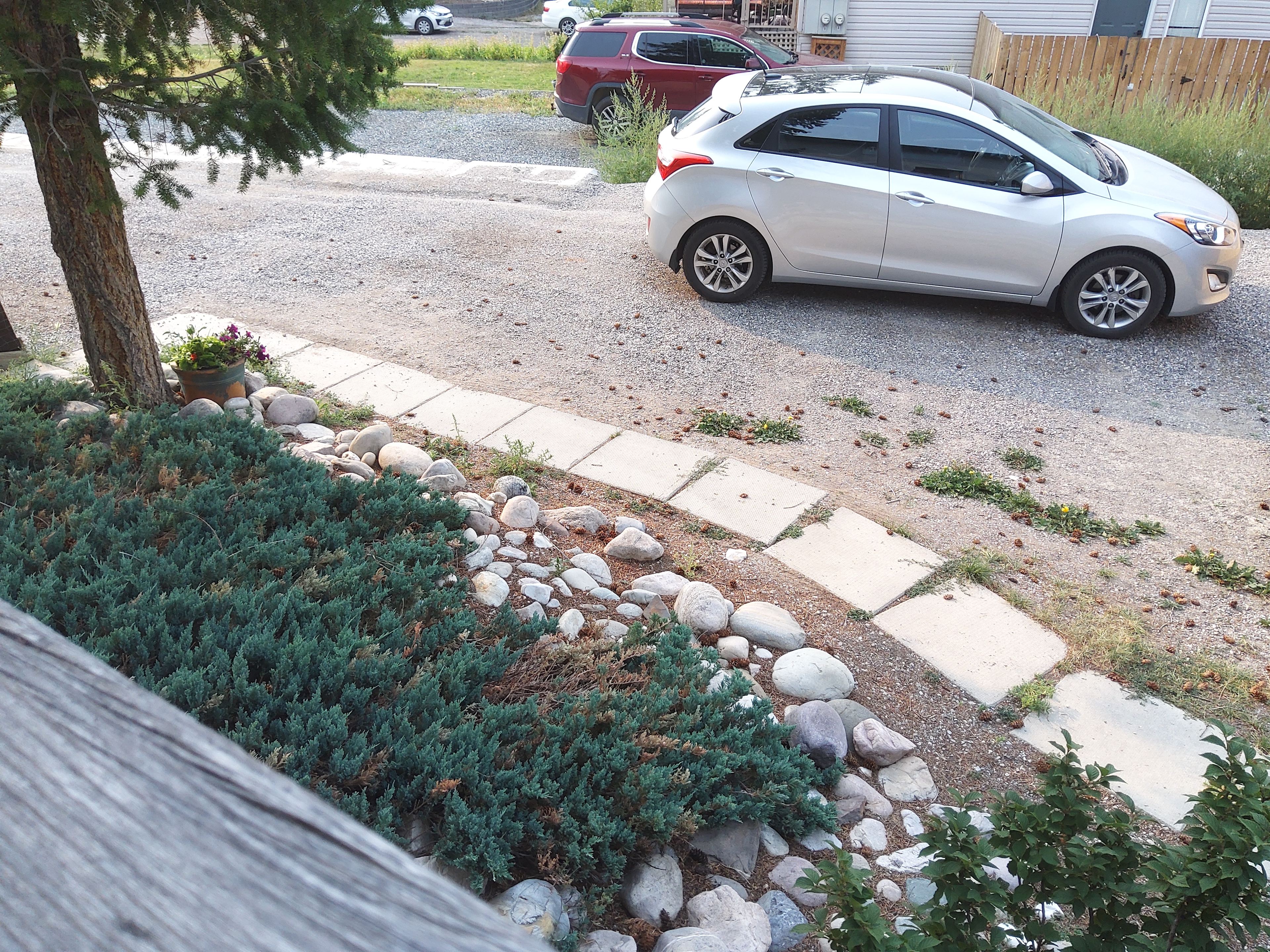
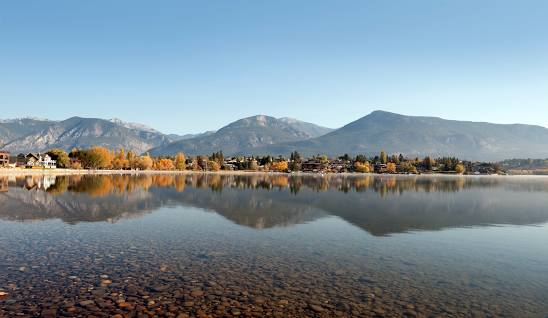
Property is close to Town of Invermere, a skip a a hop away from Tim Hortons.
Supper close from where there is many opportunities for outdoor activities. Hiking, golfing,skiing at Panorama and Kootenay Park, paragliding, swimming, canoeing, boating, relaxation close bye,siteseeing hotsprings at Radium and Fairmont. Also there is a Airport which offers gliding and Helicopter rides.
Electrical hookup
Water hookup
Earthcode Sky Lodges at Yehke Getaways

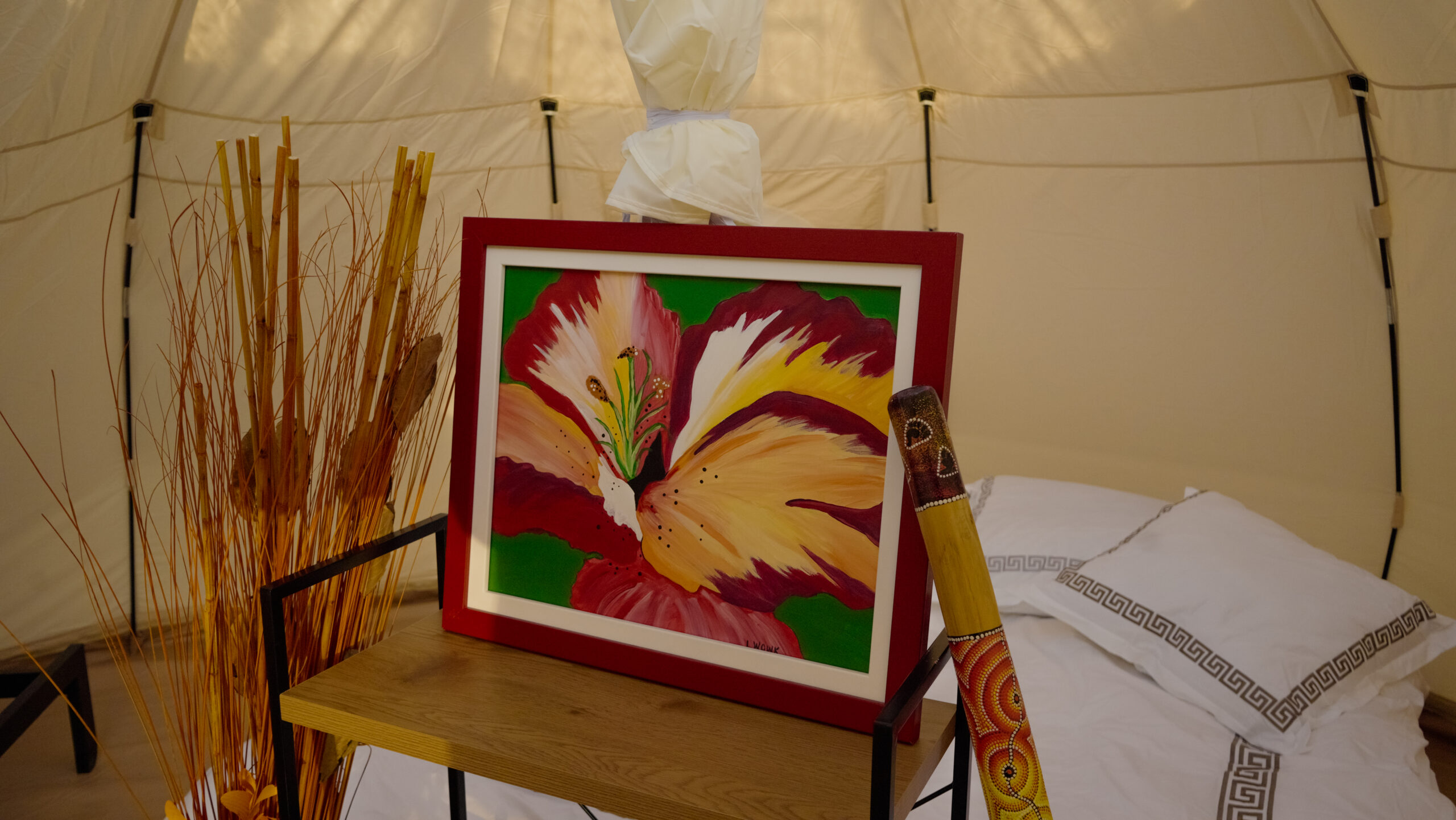
4. Earthcode Sky Lodges at Yehke Getaways
80km from Canmore · 6 sites · RVs, Lodging
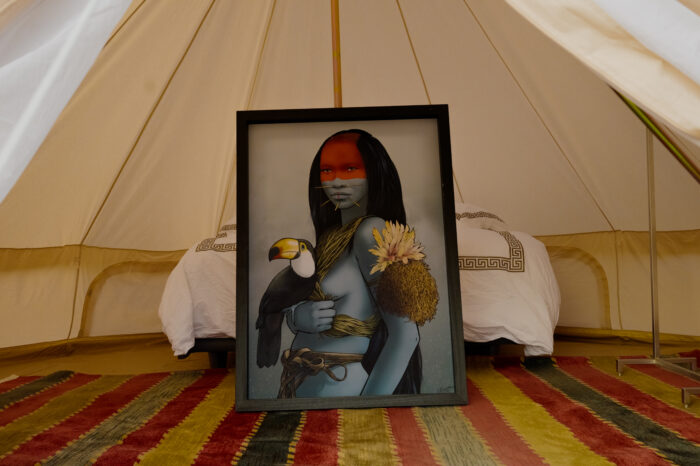
WELCOME TO EARTHCODE SKY LODGES
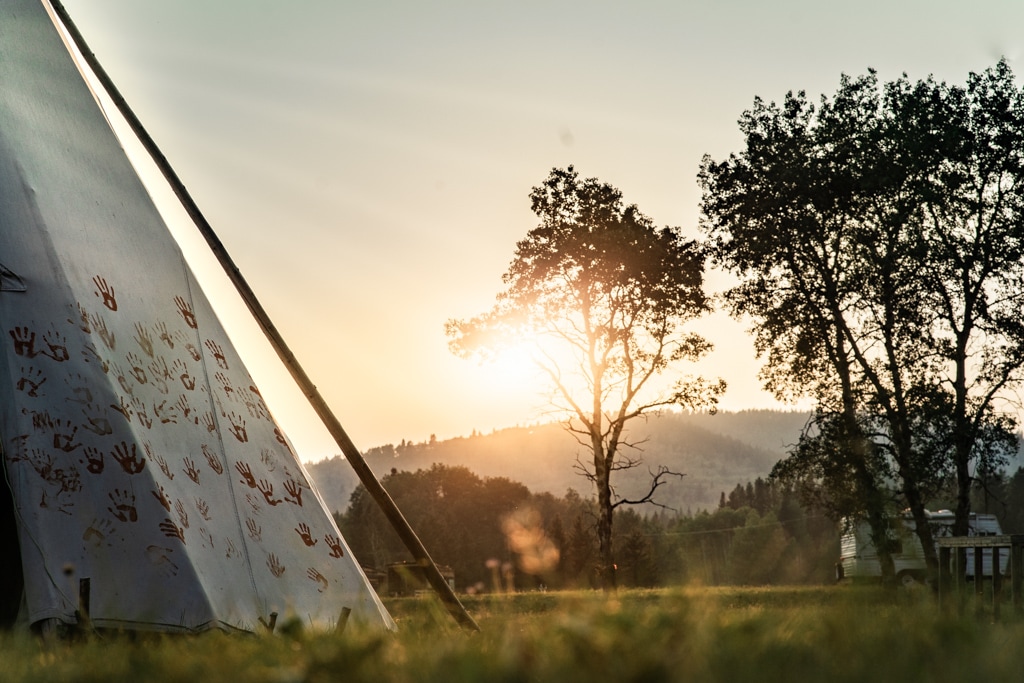
“You will witness some amazing sunsets over the mountain range at the end of the day. As the evening gets darker the stars come out and the sky paints an enchanting picture. As you go to sleep you may be serenaded by Indigenous drumming and singing or the distant howling of coyotes. Then imagine waking up to birds singing and when you step outside your tipi or tent you will be overwhelmed with a beautiful sunrise with glorious orange, purple sunlight gleaming on the majestic snow topped mountains. This is a total escape experience which wakes up your inner soul. When you visit these scared lands, you can feel the peaceful and natural healing energies of Mother Earth.”
Location
Earthcode Sky Lodges is located on the sacred lands of the Stoney Nakoda First Nations, a short 25-minute drive west of Cochrane, Alberta on Highway #1A. The town of Canmore is only 20 minutes away and 45 minutes’ drive to Banff National Park. The campground is nestled in a peaceful secluded setting with an amazing stunning view of the spectacular Rocky Mountains. Mount Yamnuska, a popular mountain destination for hikers, runners, and mountain bikers with plenty of trails to explore, is only a 10 minutes’ drive away.
Our camp is situated on Yethka Getaways, on private lands held by a Stoney Elder at the base of the Rocky Mountains which offers spectacular pristine scenery. Close to the Earthcode Sky Lodges is the the Bow River which offers some great fishing opportunities and recreational options such as white-water rafting and horseback riding. Our camp is surrounded by pristine country which is home to a variety of wildlife, including elk, deer, coyotes, and moose. Golden and bald eagles also make their home around the camp. The primary attraction to our camp is the amazing scenery which includes beautiful sunsets to the west and at night the stars come out very vividly. What stands us apart from other similar glamping operations is the cultural and educational experience through the sharing of our traditional Indigenous knowledge around star constellations.
Pets
Recent reviews from the Hipcamp community
B
Benoit
March 2026
19 ft Class B
Very nice and quiet neighborhood. Very clean and enough space for us to park. Very good power cord, no problem at all with the power. The owner was nice and kind and very helpful.
Thank you Ullu.
See moreD
Daniel
September 2025
33 ft fifth wheel
Great, level parking site in driveway. Host had electric and water hookups conveniently close by. Ullu was at work when we arrived but came as soon as we called to have car moved that was parked in spot. Great location to visit Kootenay and Canal Flats.
See more
Roman
August 2025
35 ft Class A
Everything was fine :)
Thanks for hosting us!
P.S. when we arrived it was a little bit tricky to contact Ullu, but we meet her in person
See moreL
Luke
January 2025
19 ft travel trailer
Very nice site, host was polite and helpful. ‘Twas a delight to stay at her humble abode.
See moreS
Svetlan
December 2024