Glamping in Caerlaverock National Nature Reserve
96% (157) • 208 campsites
Top-rated glamping sites in Caerlaverock National Nature Reserve
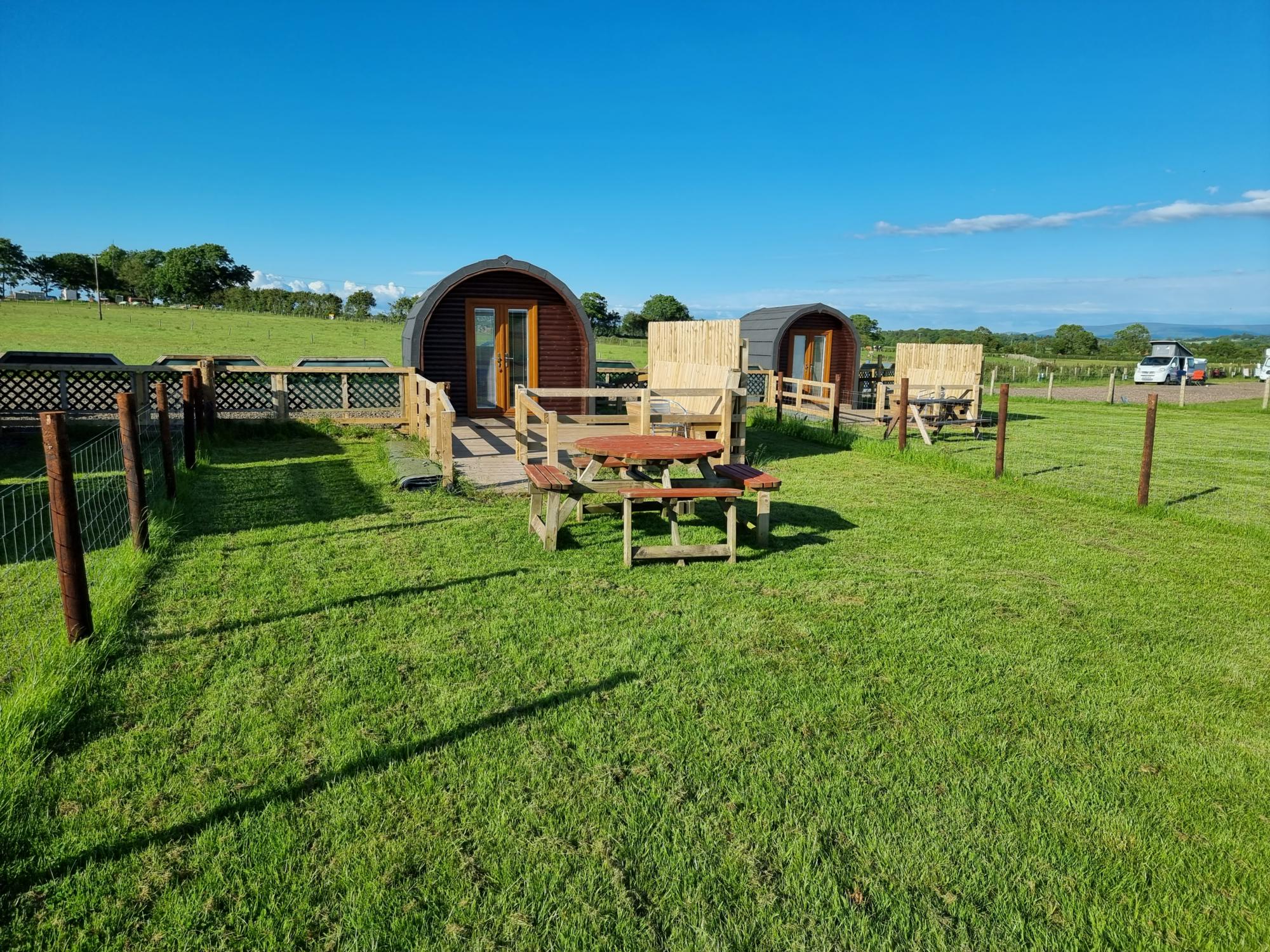
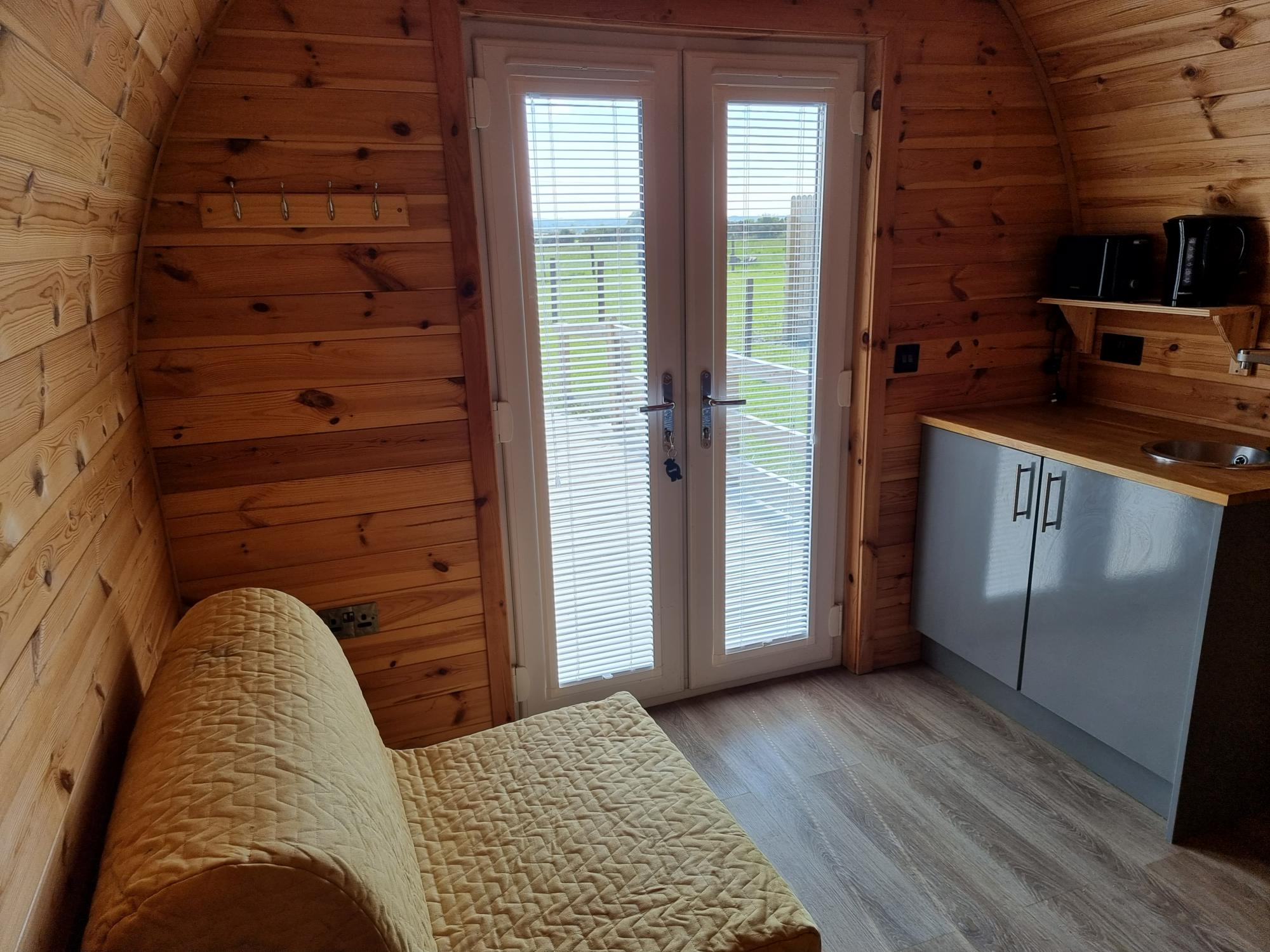
Harebeck Holidays
1. Harebeck Holidays
86%
(25)
Wasdale, England · 8 units · Motorhomes, Glamping
Nestled between the Western Lake District Fells and the Irish Sea coast this site is situated on a working dairy and sheep farm. Farm tours can be arranged on arrival. A play hut with outdoor games, drying room with communal fridge and freezer (some units have their own small fridge). Natural hedges surround the site. Four fruit trees near the shower block
Half a mile to Gosforth village with Shop, Bakery, Cafe, 4 Pubs providing food and an Italian restaurant. Gosforth and Seascale villages have play parks.
Muncaster Castle, Ravenglass and Eskdale Railway, Wasdale, Scafell Pike and Sandy Beaches with Cafes selling local ice cream are nearby with most Lake District attractions within an hours drive and Edinburgh a three hour drive away.
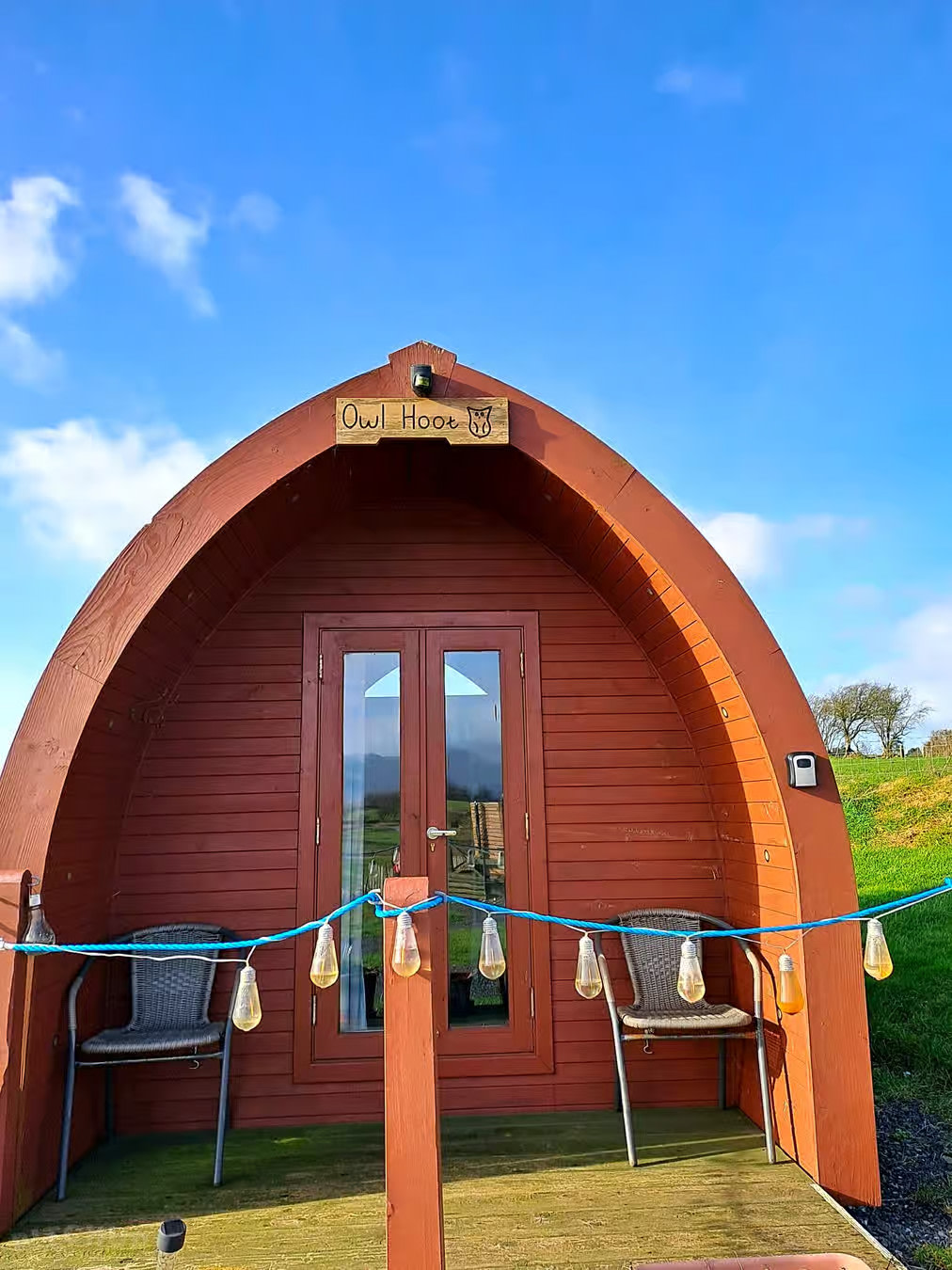
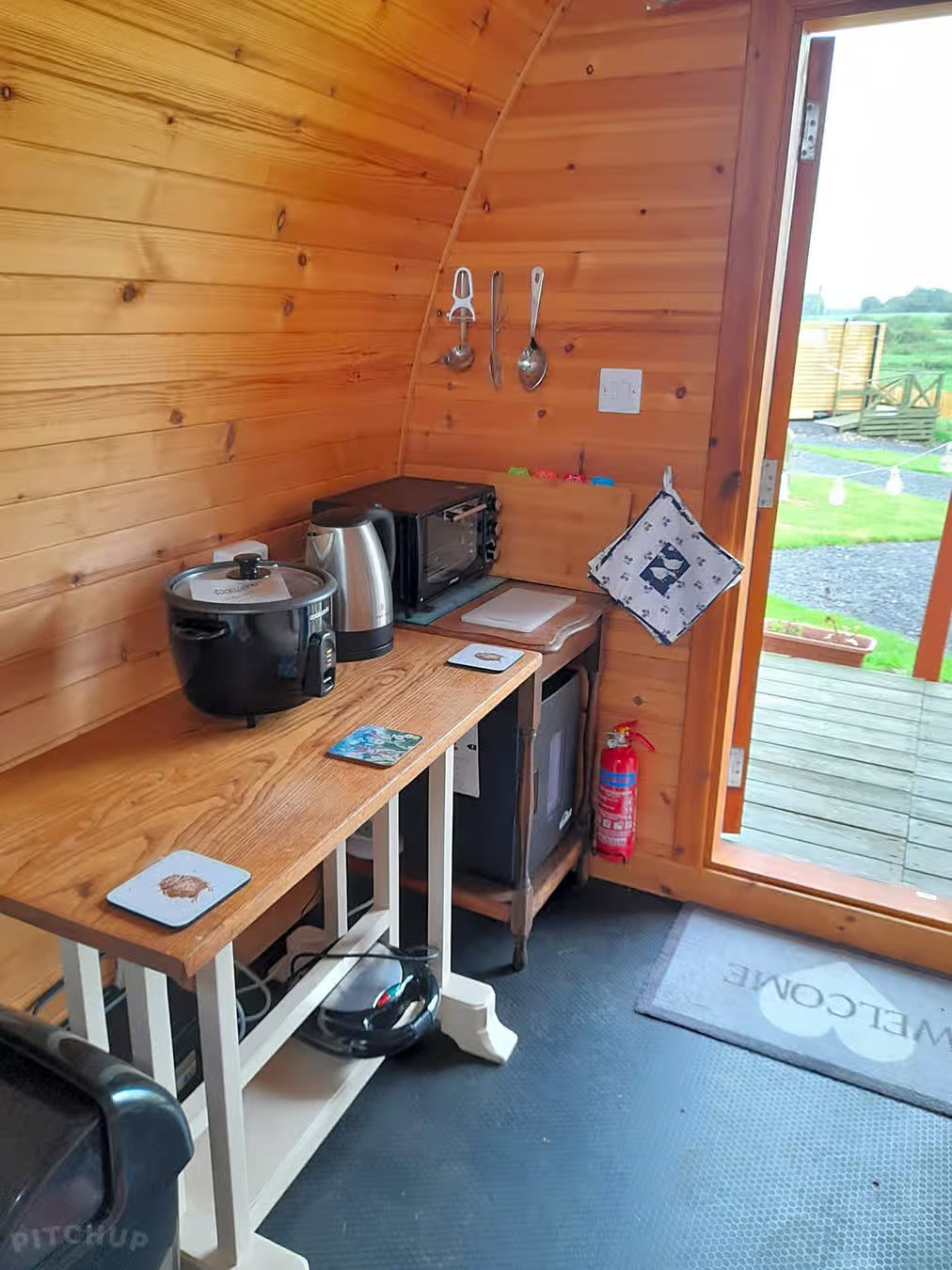
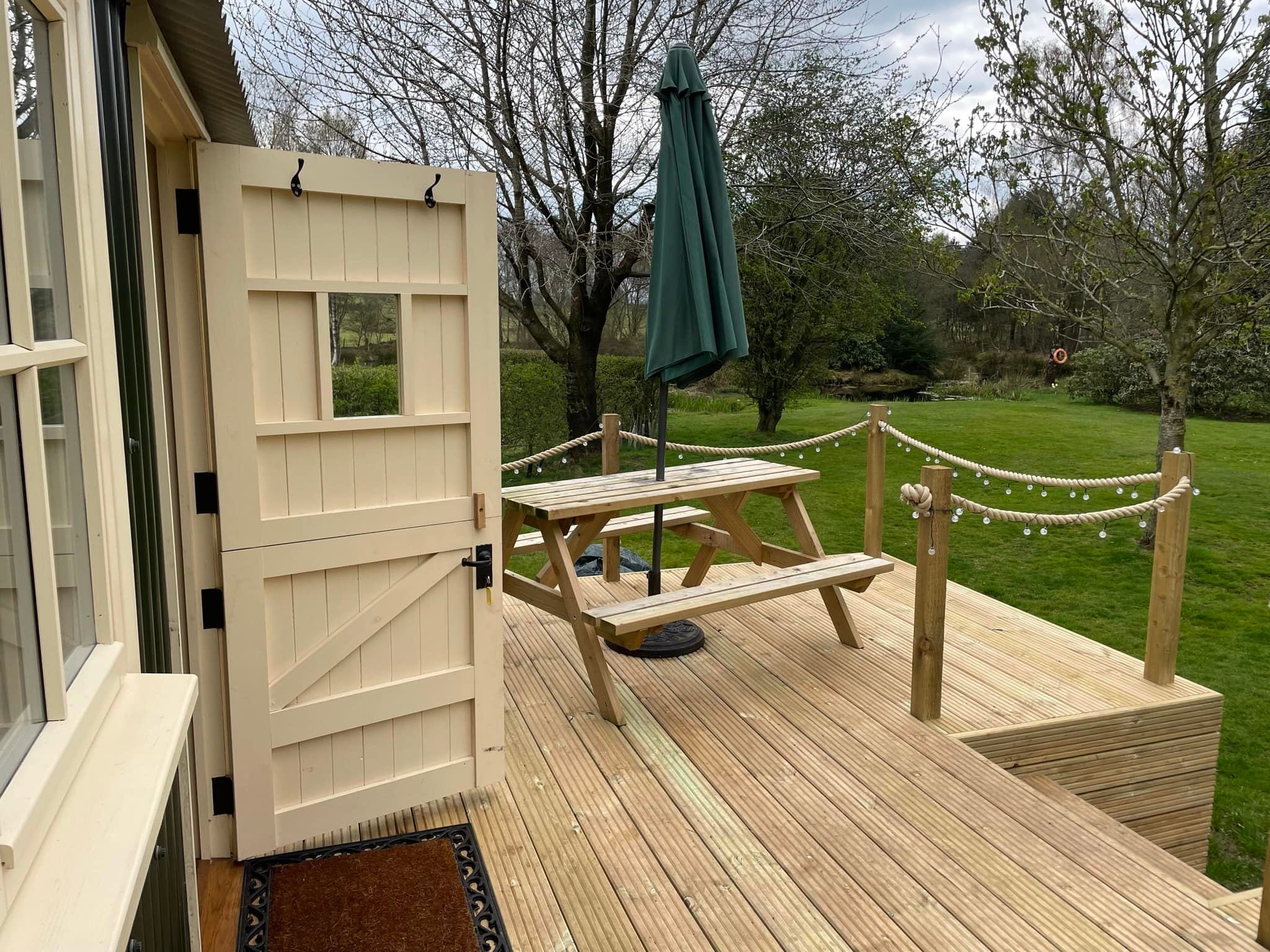
There are 5 campervan/motorhome pitches, a pod, a modern take on a shepherds hut with underfloor heating, a heated pod and two gypsy caravans with electricity to book. All pitches are on gravel positioned to enjoy views over farmland to Scafell Pike and other fells, they are surrounded by grassy areas with seating and a picnic table. A wooden play hut has outdoor games and toys inside. Awnings can be added on the 3 larger pitches. Tents can be pitched next to units for an extra £10 per night. Barbeques are allowed on gravel with our Gypsy Caravans having a campfire area. There is a communal fridge and freezer, outdoor drying space. Farm tours can be arranged. Wildlife and farm animals can be seen in the surrounding fields. Fresh vegetables and barbeque packs can be ordered with 24 to 48 hours notice. Grocery deliveries accepted from supermarkets. There is also a holiday cottage on the farm sleeping 6 over two rooms.
Situated midway between the Western Lake District Fells and the Irish Sea Coast makes this site ideal for lower or higher level walks. Sandy beaches at Seascale and St Bees have cafes selling locally made ice cream alongside play areas to keep children happy. Scafell England's highest mountain is close by as are a number of Wainwrights.
Nearby is Muncaster Castle and Gardens with its Hawk and Owl Centre, also Ravenglass (a Roman port with remains of a bath house), you can ride up the Eskdale Valley on the Ravenglass & Eskdale Railway (Laal Ratty). Perhaps take a stroll to Stanley Ghyll waterfall. They have a cafe at both terminuses with a museum in Ravenglass where nearby you can sample Ravenglass Ice Cream. Wasdale and Ennerdale are close by both valleys having cafes and pubs.
Pets
Showers
Potable water
from
£25
/ night
Camping at Cardewlees
2. Camping at Cardewlees
99%
(47)
Carlisle, England · 37 units · Tents, Motorhomes, Glamping
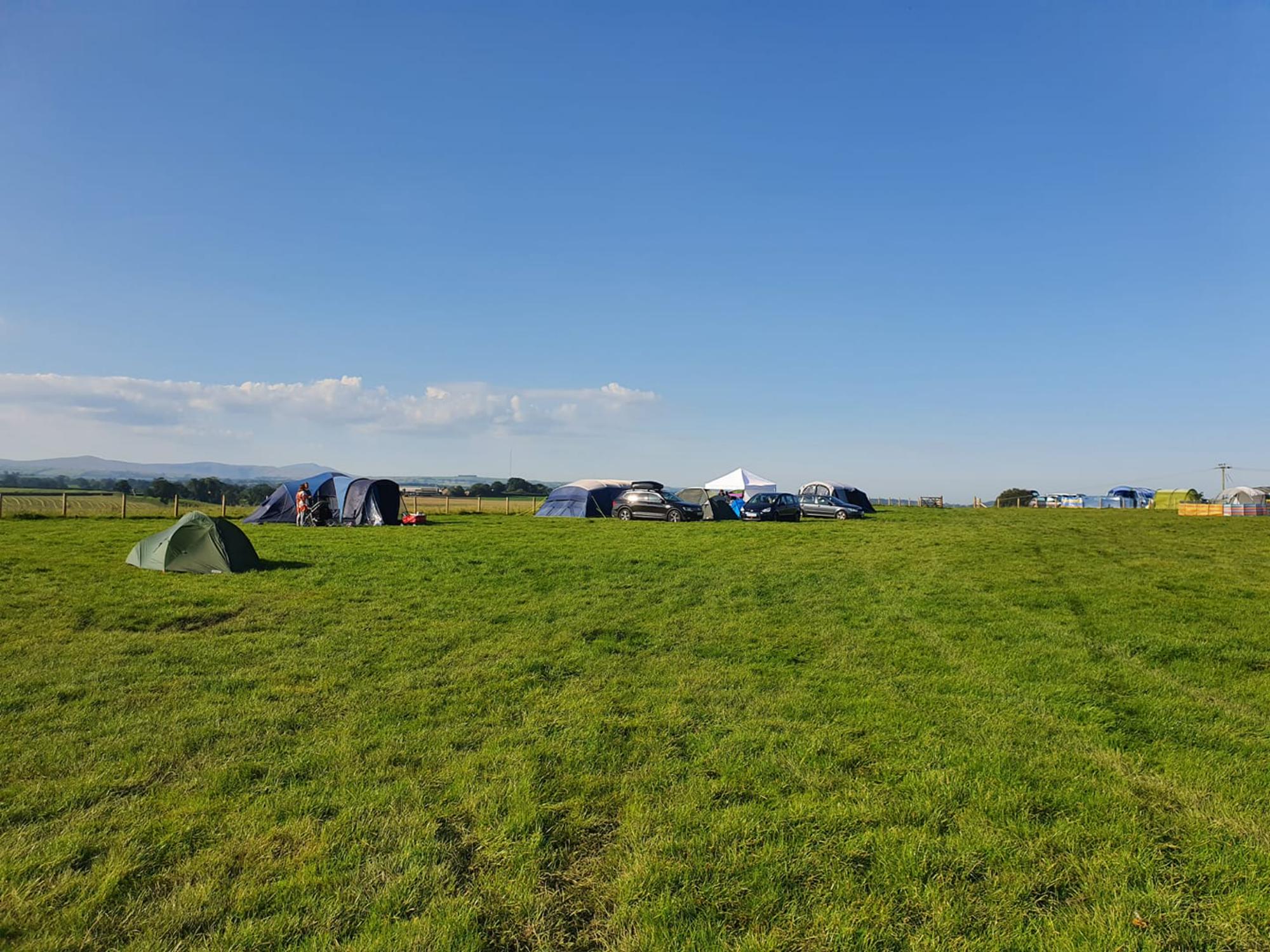
A welcoming, family-run farm campsite between the Lake District and Hadrian's Wall
Pets
Showers
Campfires
from
£16
/ night
Ewe Love Camping Pods
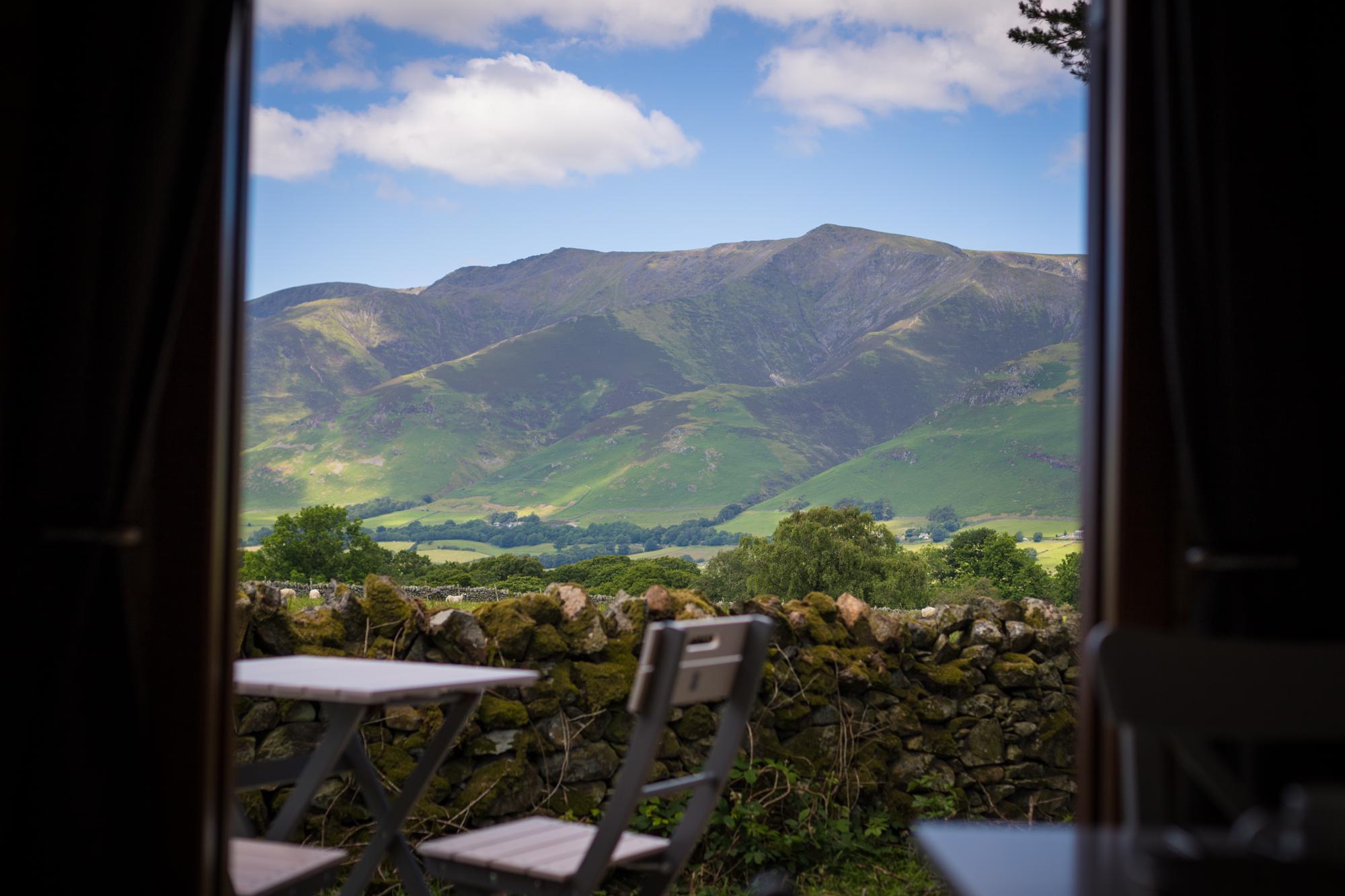
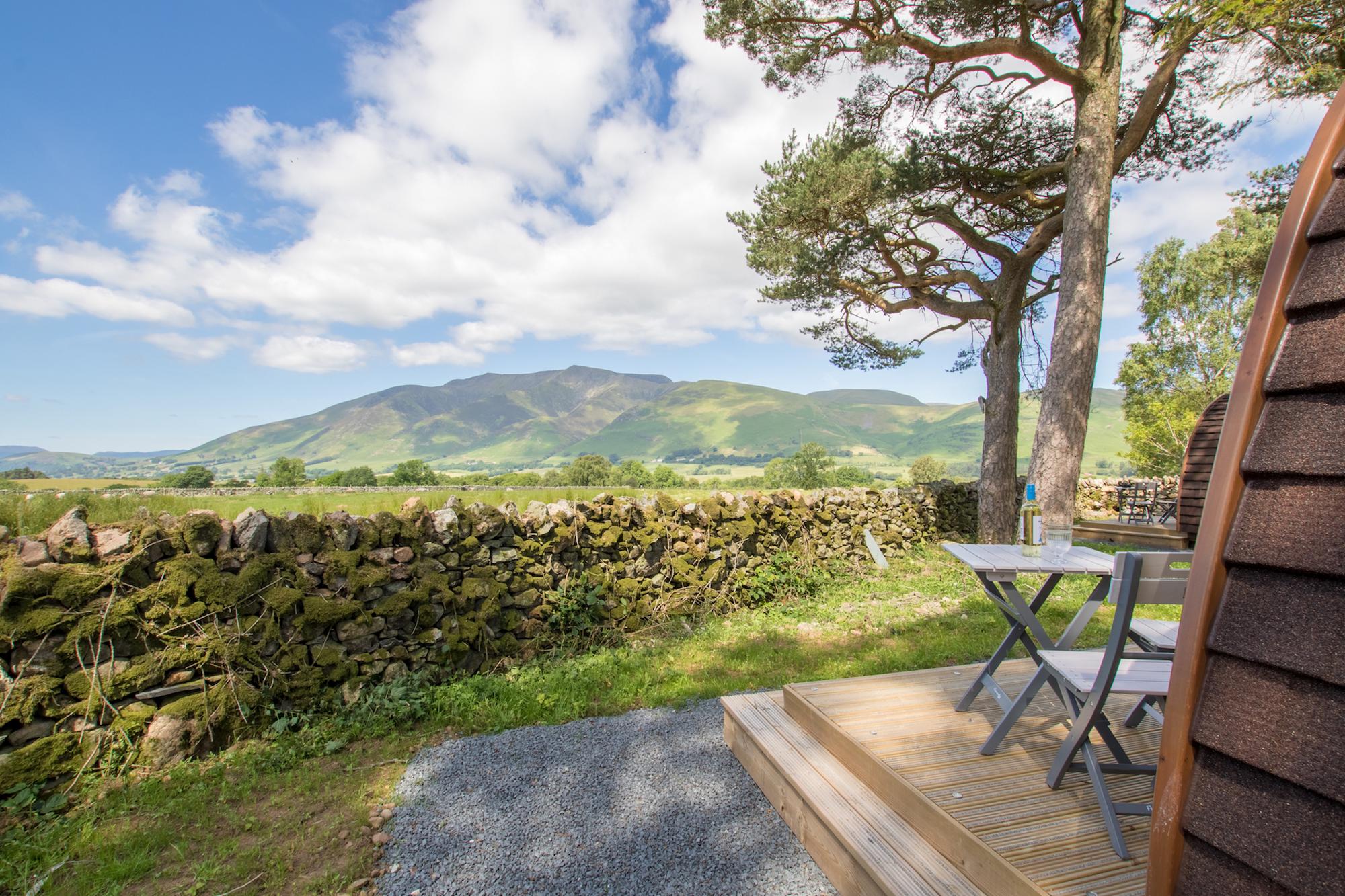
3. Ewe Love Camping Pods
98%
(108)
Penrith, England · 3 units
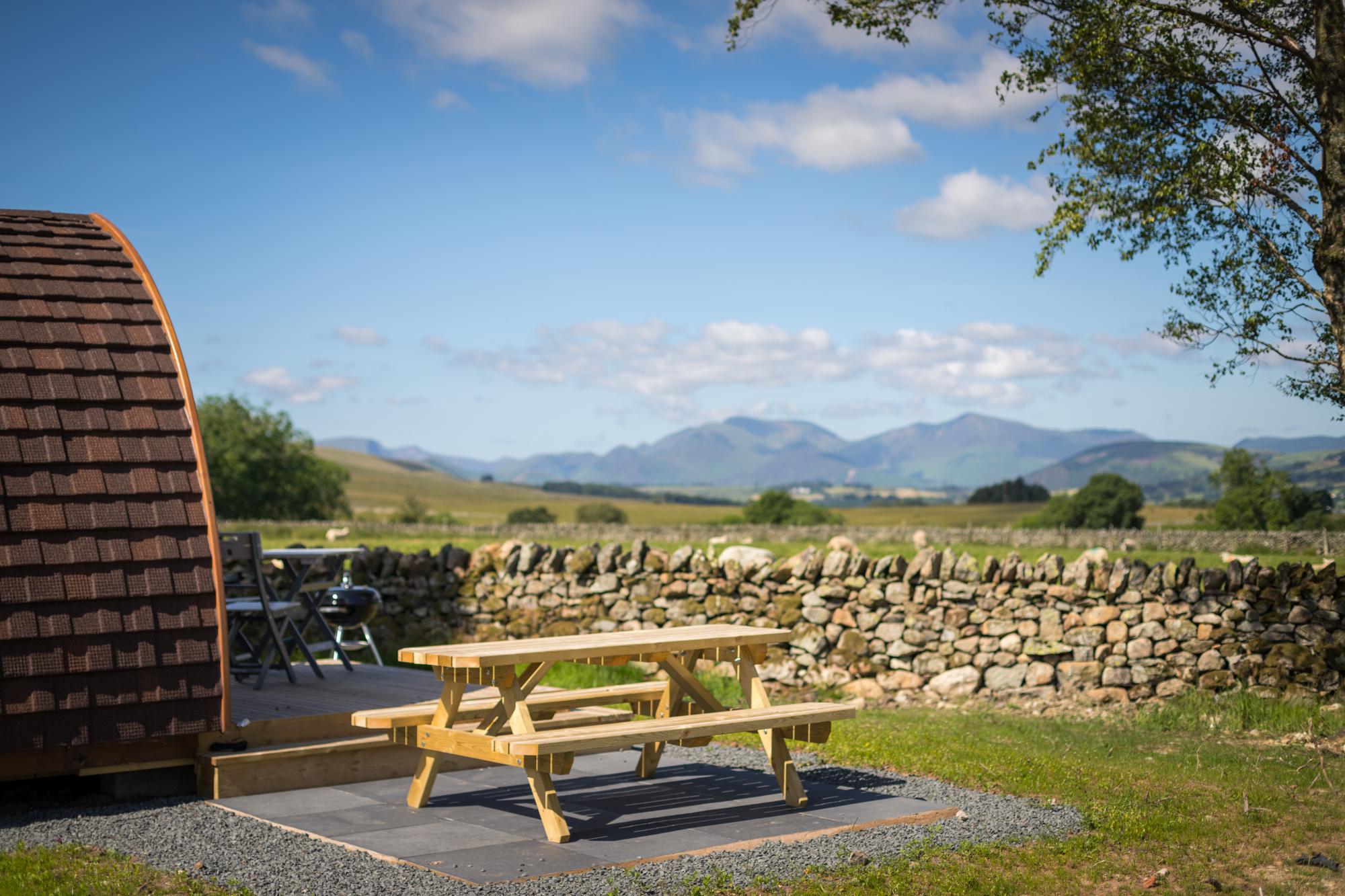
Modern Lake District glamping pods among the trees, with exceptional views of Blencathra
Pets
Showers
Potable water
from
£90
/ night
Herdie Hideaway
4. Herdie Hideaway
Scotland · 1 unit
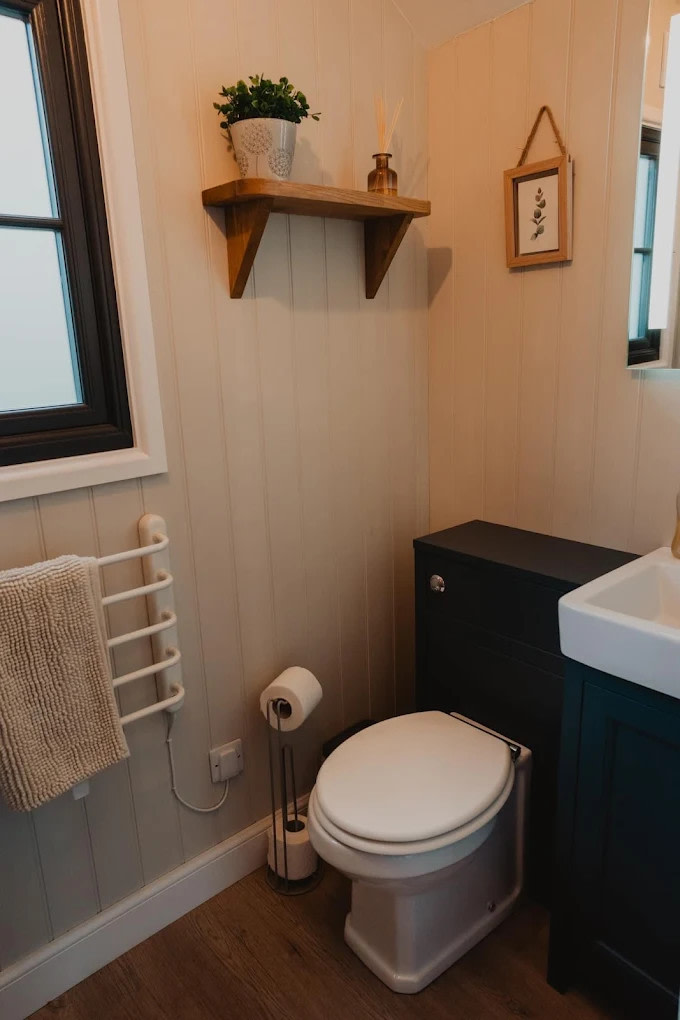
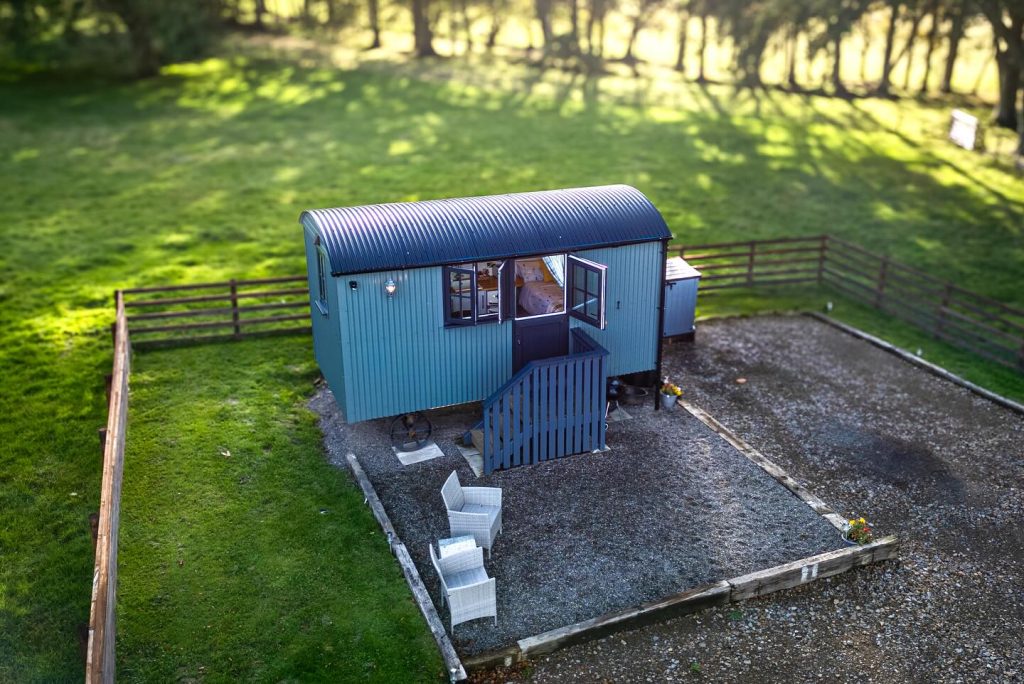
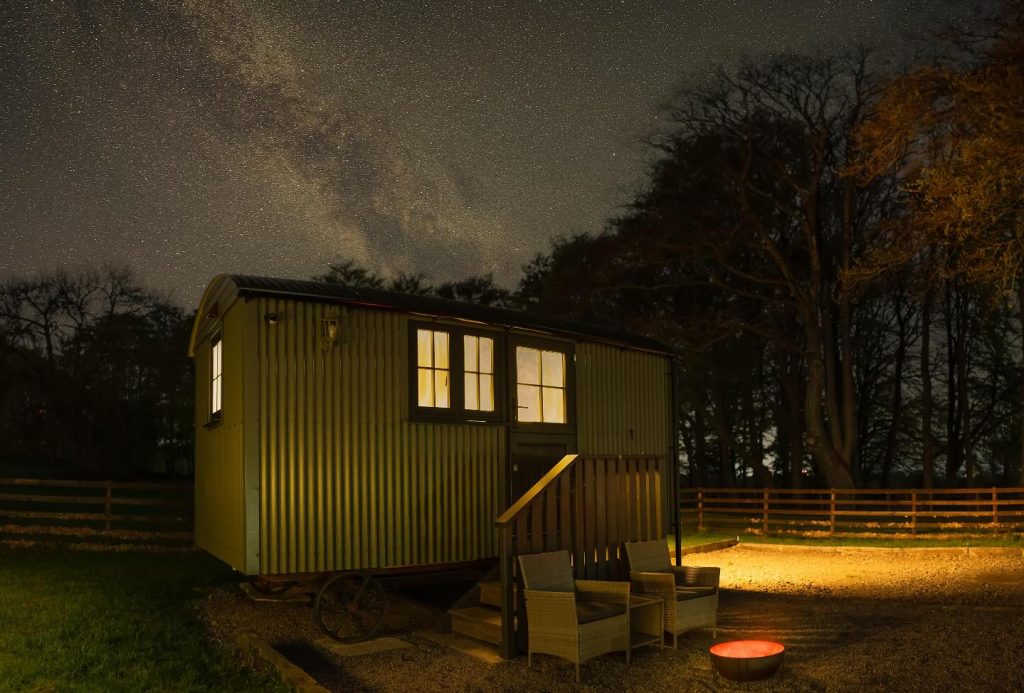
Herdie hideaway is run by Charlotte and Alex and is nestled next to rolling hills of the the Lake District overlooking the Solway Firth, our shepherd’s hut offers a haven of tranquility.
Lush woodlands surround the property, teeming with wildlife, creating a symphony of sights and sounds for nature enthusiasts. Here, on a working farm, you’ll find a quiet escape unlike any other.
We hope you enjoy your stay in this beautiful part of the world which we hope you are able to switch off, unwind and have a relaxing time in this lovely secluded area.
Pets
Showers
Campfires
from
£120
/ night
Wanderlusts Gypsy Caravans
5. Wanderlusts Gypsy Caravans
Melmerby, England · 3 units
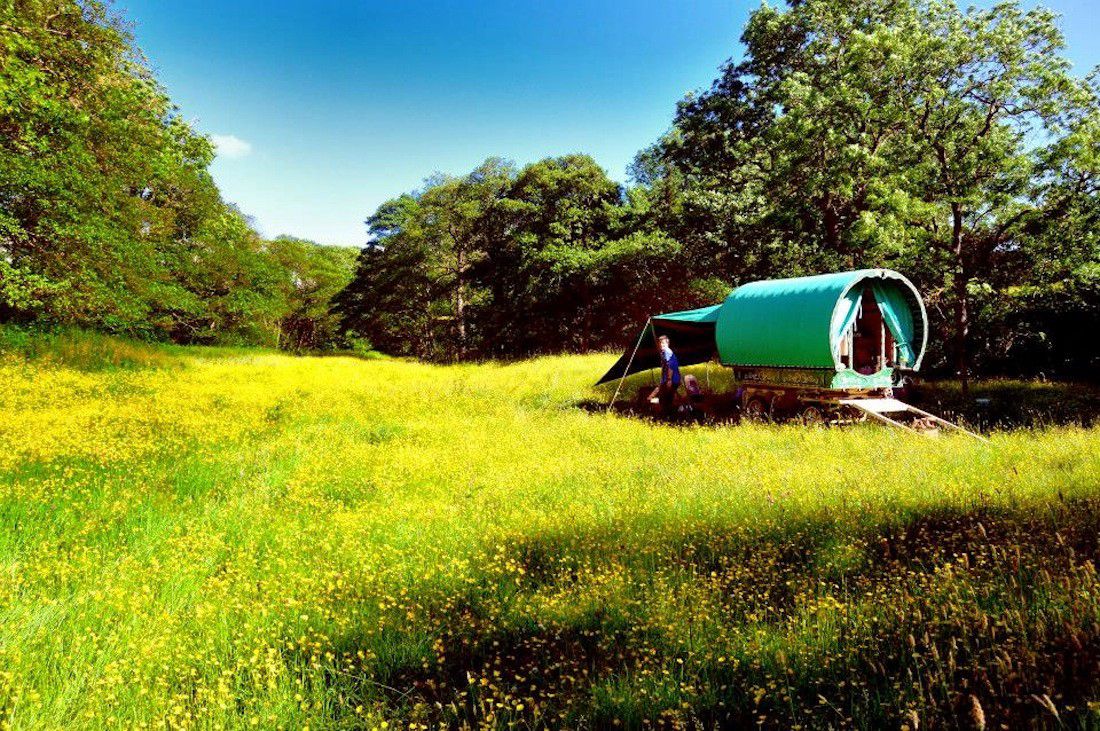
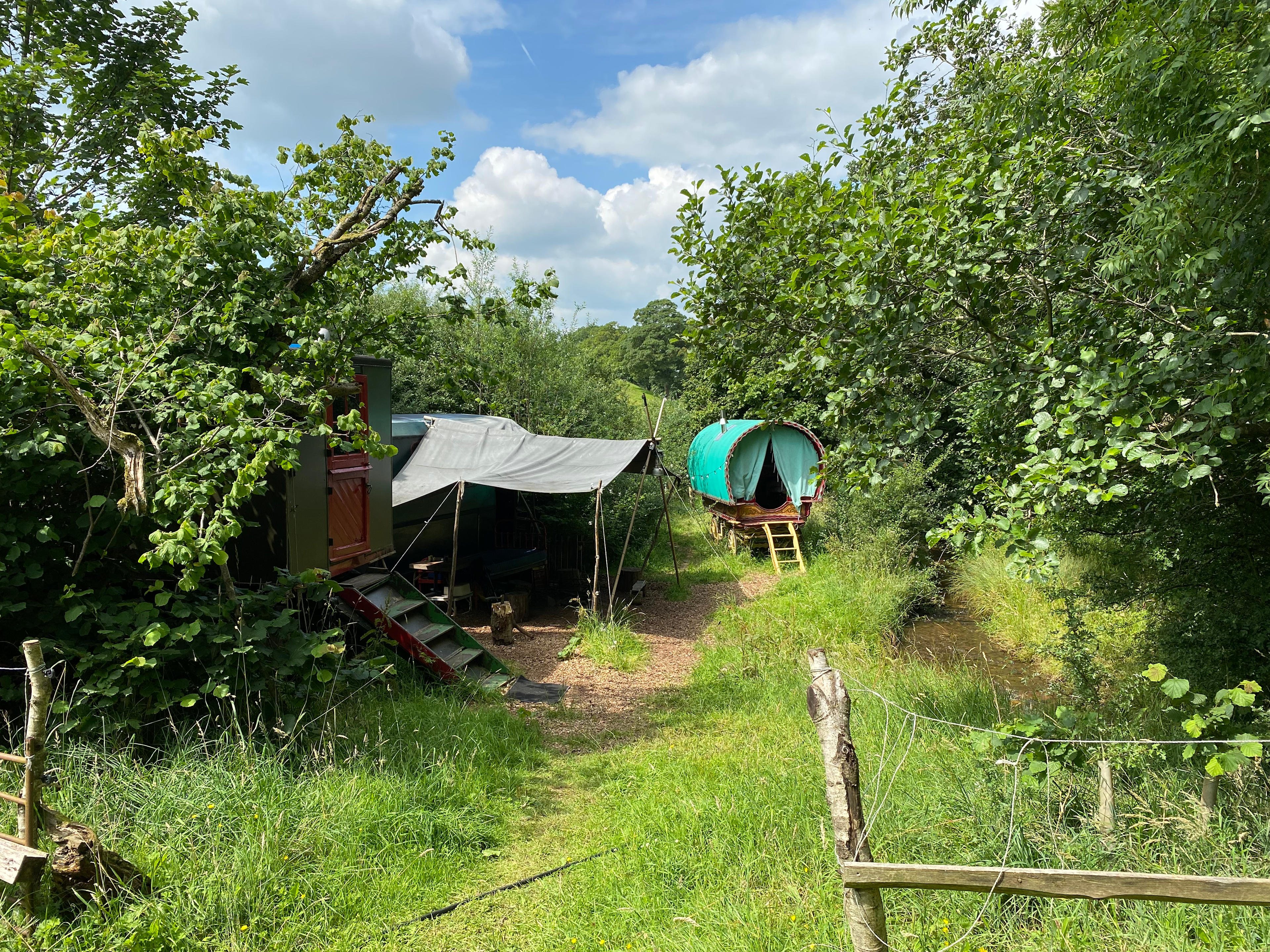
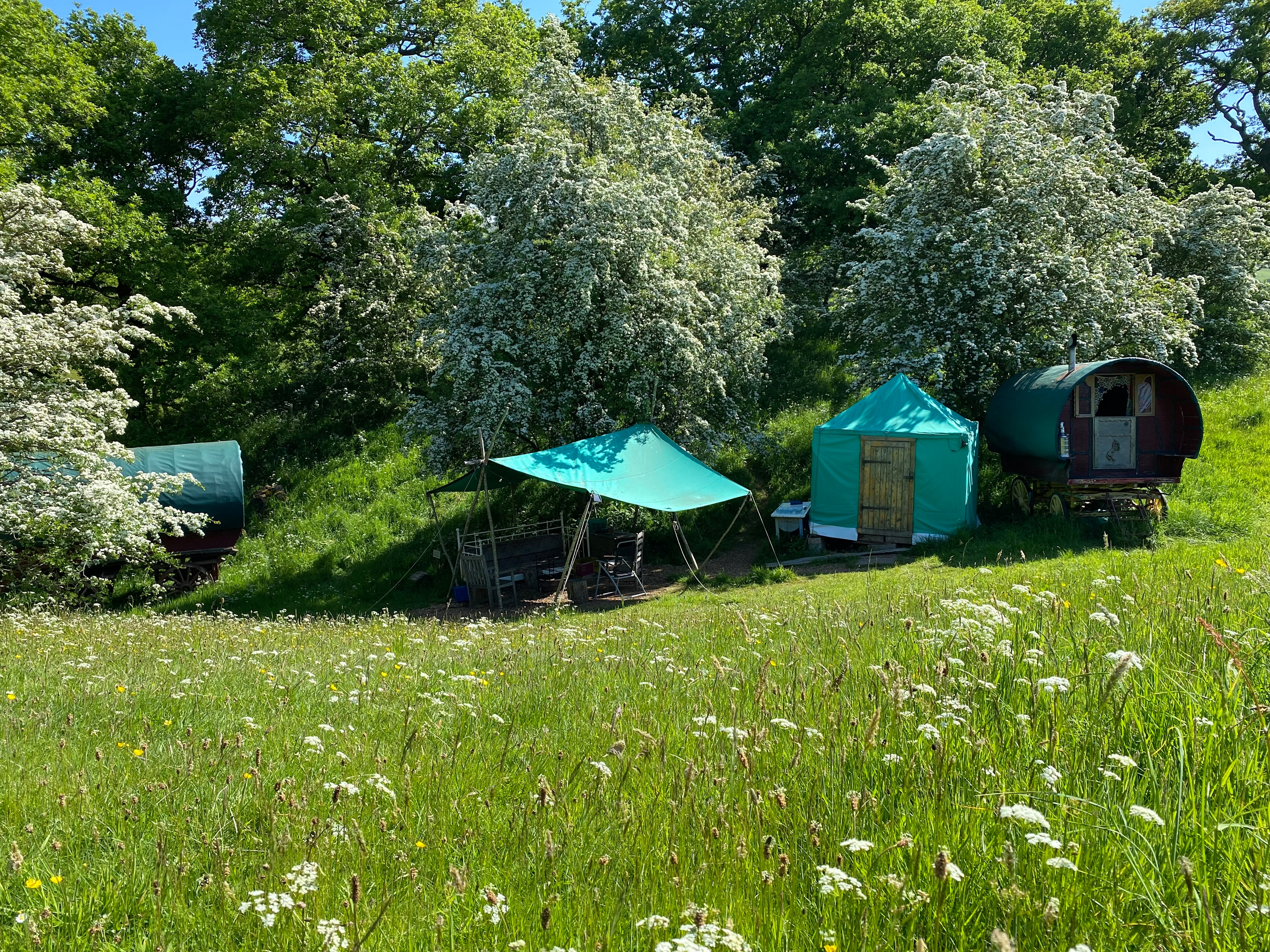
Travelling from site to site in a bow-top gypsy caravan, through Cumbria's stunning scenery
Pets
Campfires
Hot Tub
from
£95
/ night
King Garth
6. King Garth
100%
(9)
Carlisle, England · 1 unit
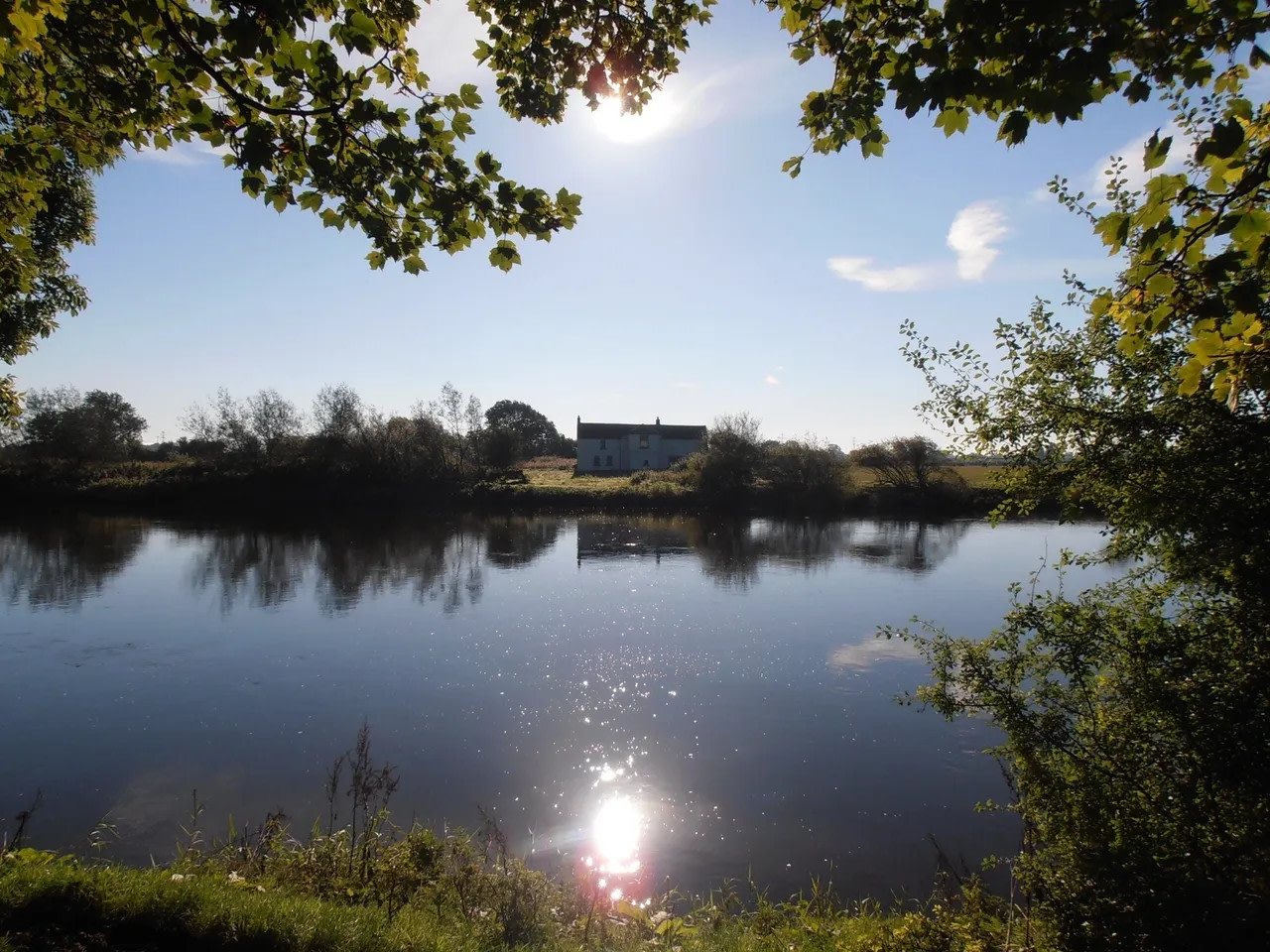
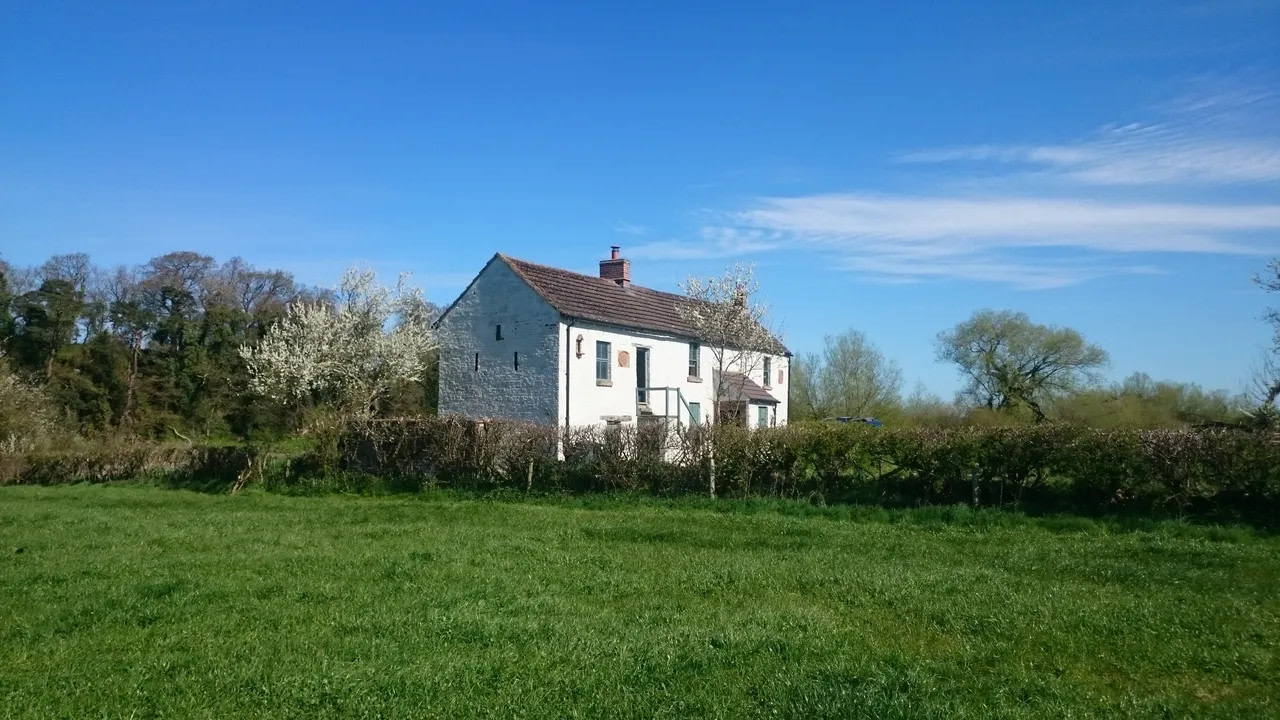
Built in 1733, King Garth is also known as The Old Customs House, reflecting its role in these fraught times of smuggling. Its strategic position on the banks of The Eden served as the perfect lookout for a bailiff employed by Carlisle Corporation to protect the very important salmon fishery. The plaques on the building which commemorate the visits by Mayors date back to the 1700s. These visits no doubt involved indulgent banquets centring around freshly caught salmon
I grew up on the opposite side of the river. On family walks along the Eden I was always fascinated by the house on the other side sited in such an amazing position.
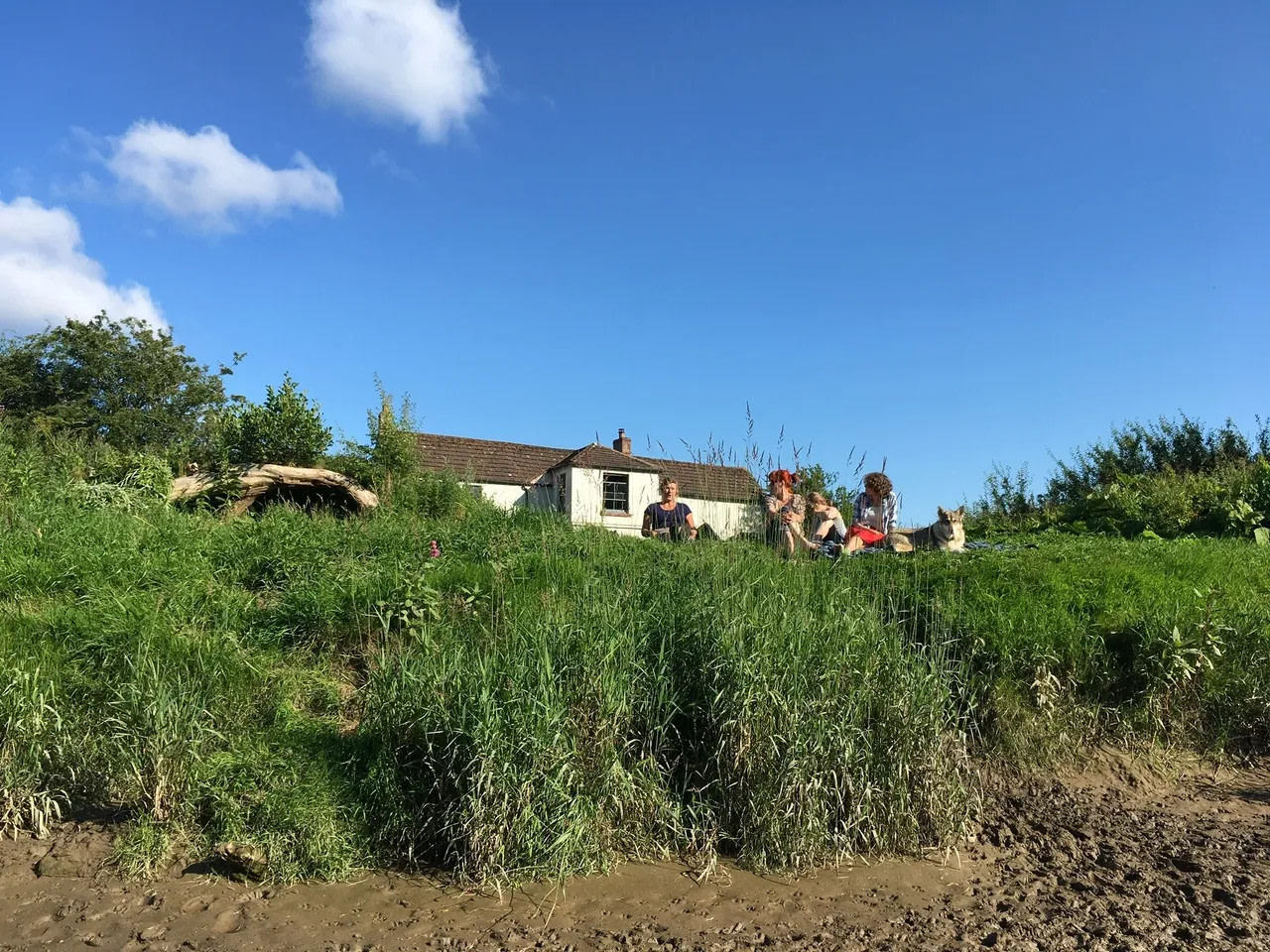
In 2010, when I returned to Cumbria I was amazed to hear that this house was for sale. It was a ruin and everyone told me I was mad..... I probably was a little! But I soon realised that I wasn’t alone in my love of this house, everyone I met from the surrounding villages had a tale to tell about this iconic place. King Garth is for sharing - with locals, (we have an annual barbecue), with wildlife and with people like you.
The aim when renovating King Garth was to celebrate and embrace its history. King Garth is off grid and has no running water. It is furnished in a style to reflect its history. It isn’t everyone’s ‘cup of tea’: you have to drive a mile down a muddy lane, there is no hot shower, no electric lighting, and a compost toilet. BUT we offer beautiful evenings of candle light, log burner, hot tub under the stars and bathing in the river.
My priority with King Garth and the land attached was to manage in a way to protect the abundant wildlife. There are also alpacas who you can look after during your stay.
You will be astounded by the din the birds make at dawn and dusk!
Inside the house there is an owl box where one summer a pair of barn owls successfully raised chicks. Since then a kestrel frequents the box and has twice laid there.
This part of the Eden is tidal so both estuarine and river species co exist. Kingfishers and otters are often spotted And even the occasional seal! Kinggarth comes with fishing rights and if you want to fish this can be arranged with the host.
The bird feeders are frequented by tree sparrows, yellow hammers, wood peckers, nut hatches and in winter red poll.
Pets
Campfires
Hot Tub
from
£80
/ night
Otter Moss Accommodation
7. Otter Moss Accommodation
100%
(8)
Brampton, England · 4 units
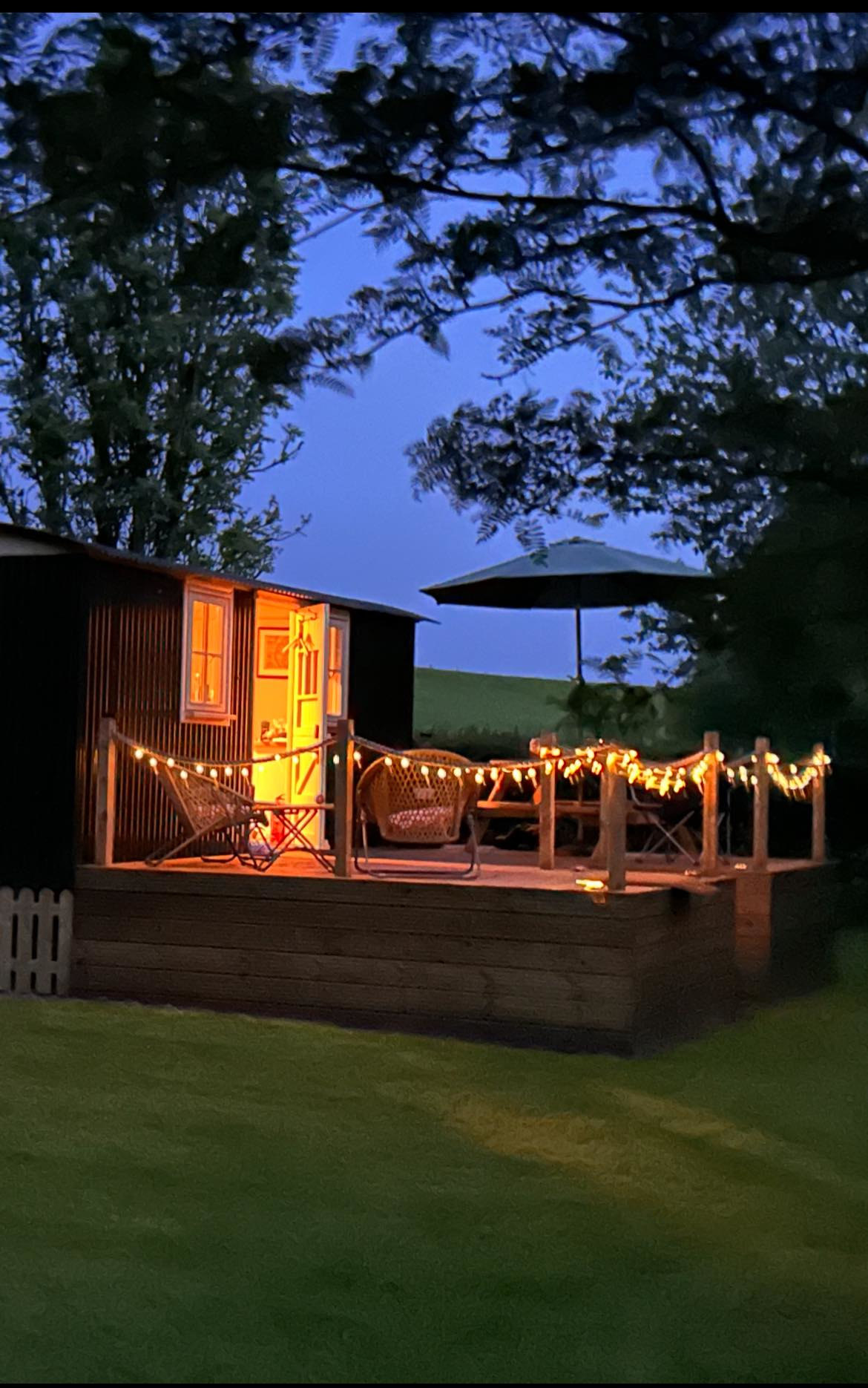
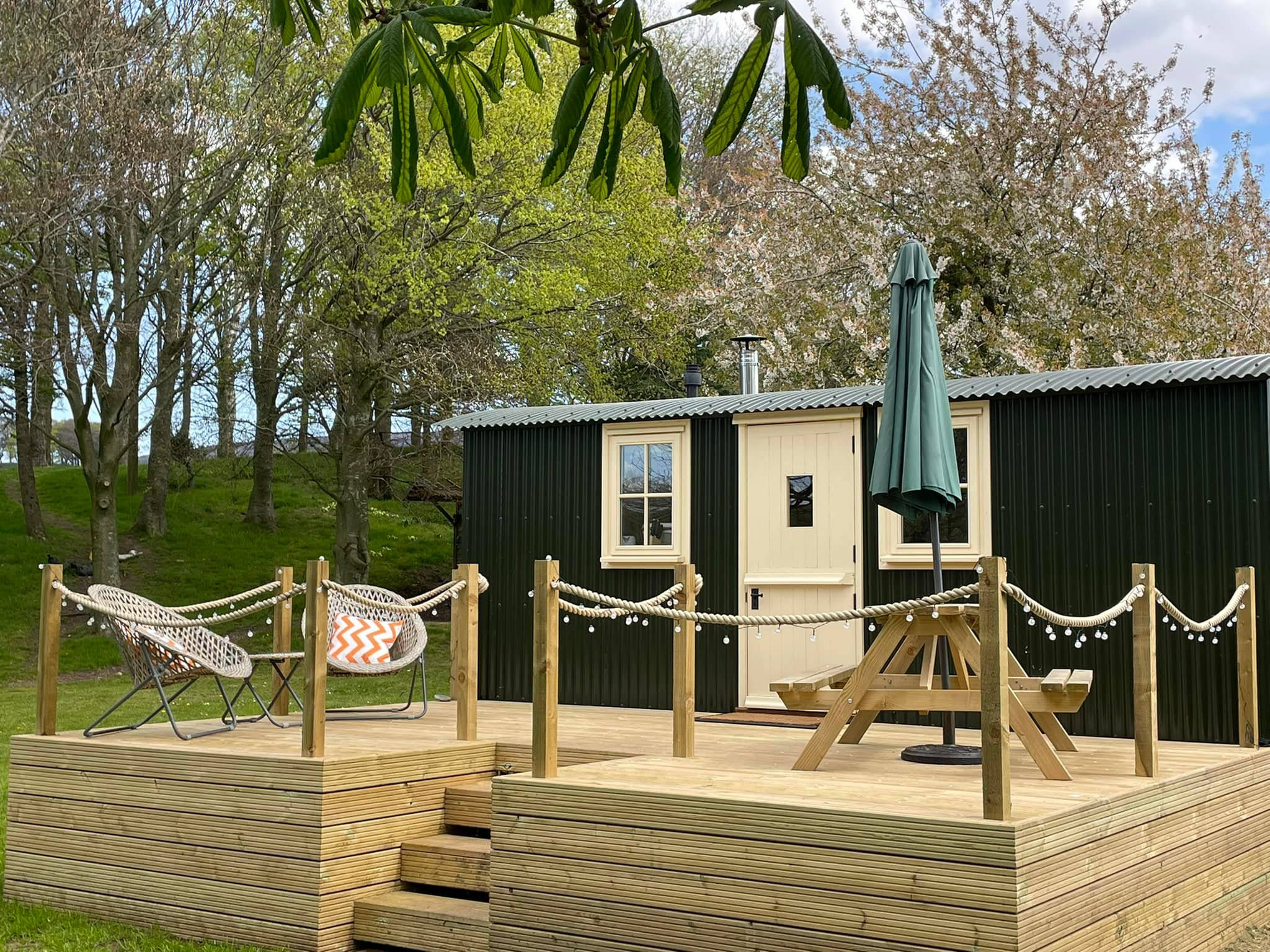
Otter Moss Accommodation offers a variety of upscale camping options suitable for couples, families, and groups. Nestled within a picturesque 12-acre former farm, the majority of the site surrounds a spacious meadow. Additionally, the site boasts a charming small lake featuring three islands and a rowing boat for leisurely water activities.
Situated at the northern edge of the stunning Eden Valley, guests can enjoy sweeping views of the Cumbrian Fells, with visibility extending to the Solway Firth and the Lake District on clear days. The Lake District is a convenient 40-minute drive away, while various sections of Hadrian's Wall are even closer, reachable within a 15-minute drive. Carlisle and the M6 motorway to Scotland are both just 20 minutes away, with the picturesque market town of Brampton also within a 15-minute drive and offering its own attractions.
Local pubs are plentiful in the area, with a diverse selection available within a five-mile radius.
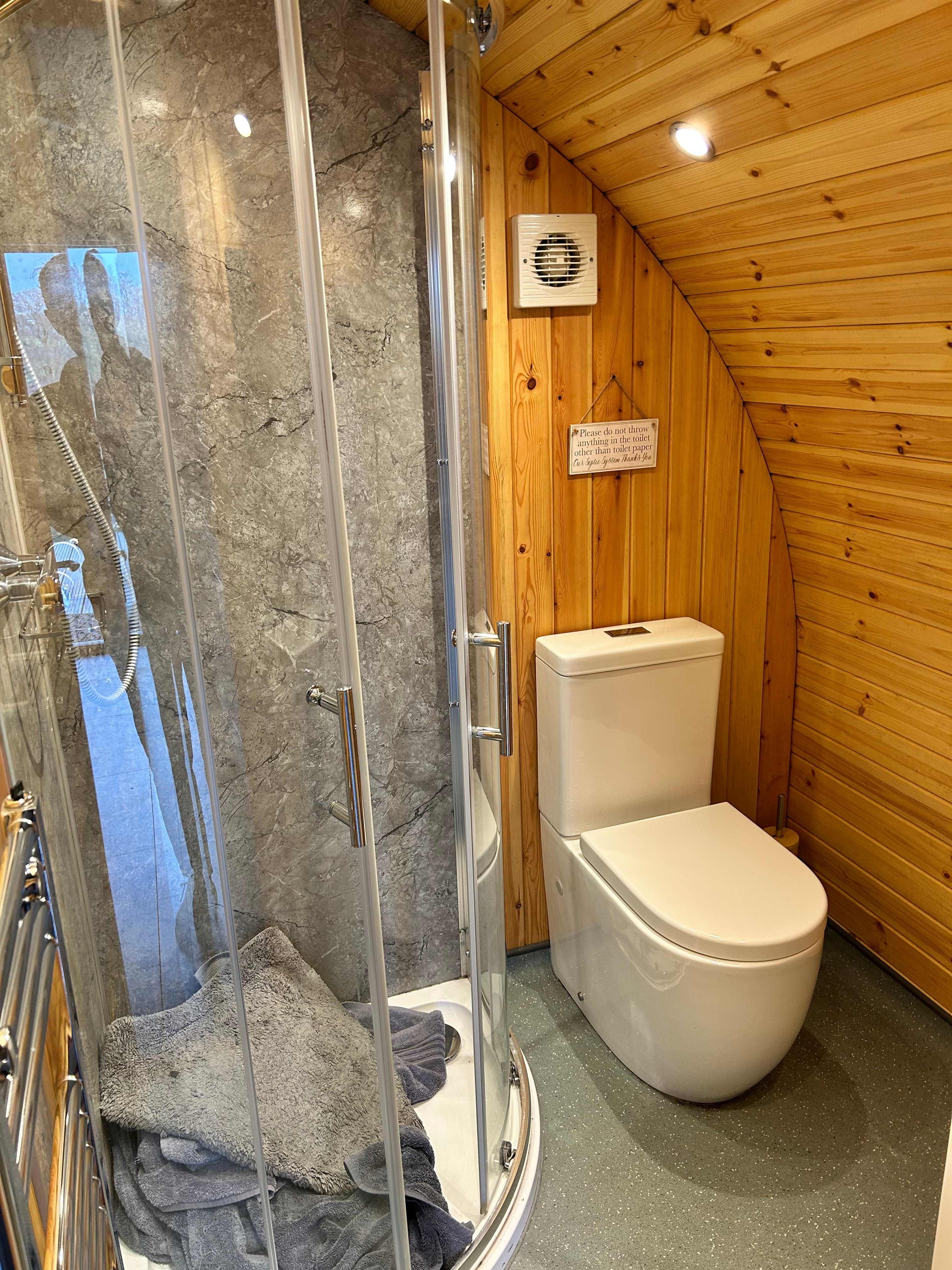
Accommodation units at Otter Moss come equipped with heating, kitchen utensils, and stoves, ensuring guests' comfort and convenience. Each unit also includes firepits or barbecues, as well as bedding and towels for a hassle-free stay.
Pets
Showers
Campfires
from
£85
/ night
Cleghorn Farm
8. Cleghorn Farm
100%
(11)
Lanark, Scotland · 7 units · Tents, Glamping
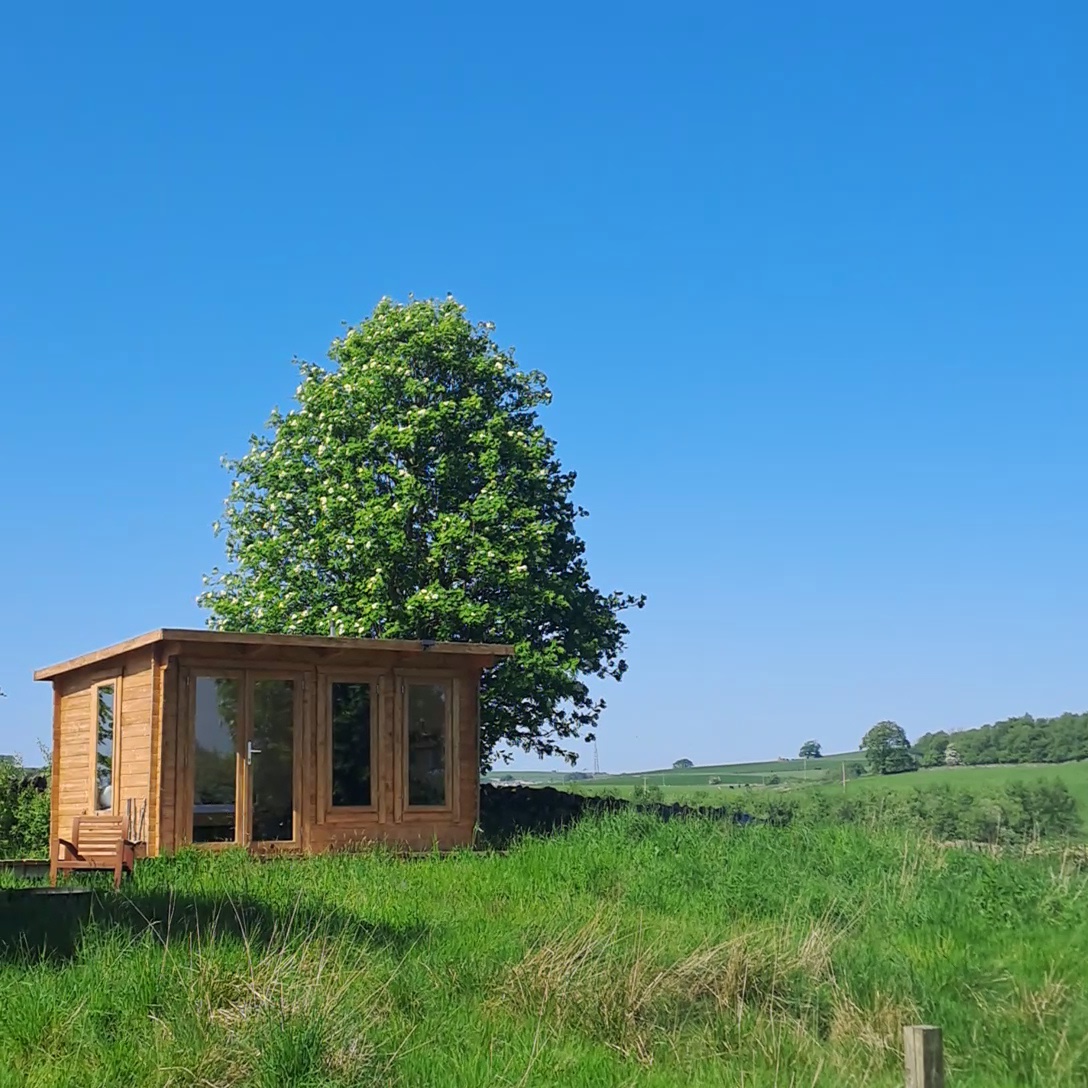
*PLEASE NOTE THE CABIN IS AVAILABLE FOR MIDWEEK AND WEEKEND BOOKINGS. CAMPING WILL RETURN IN SPRING 2026.*
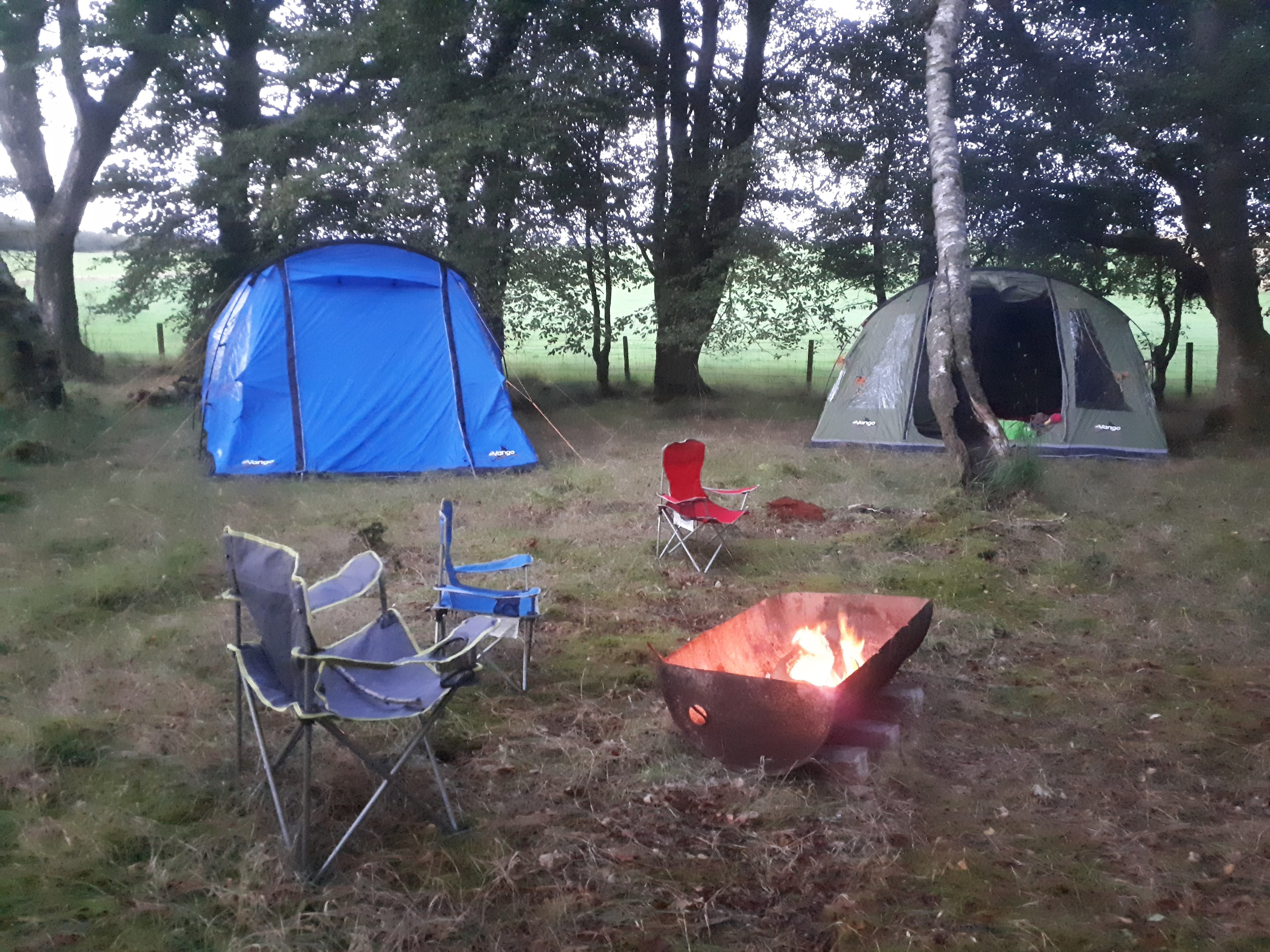
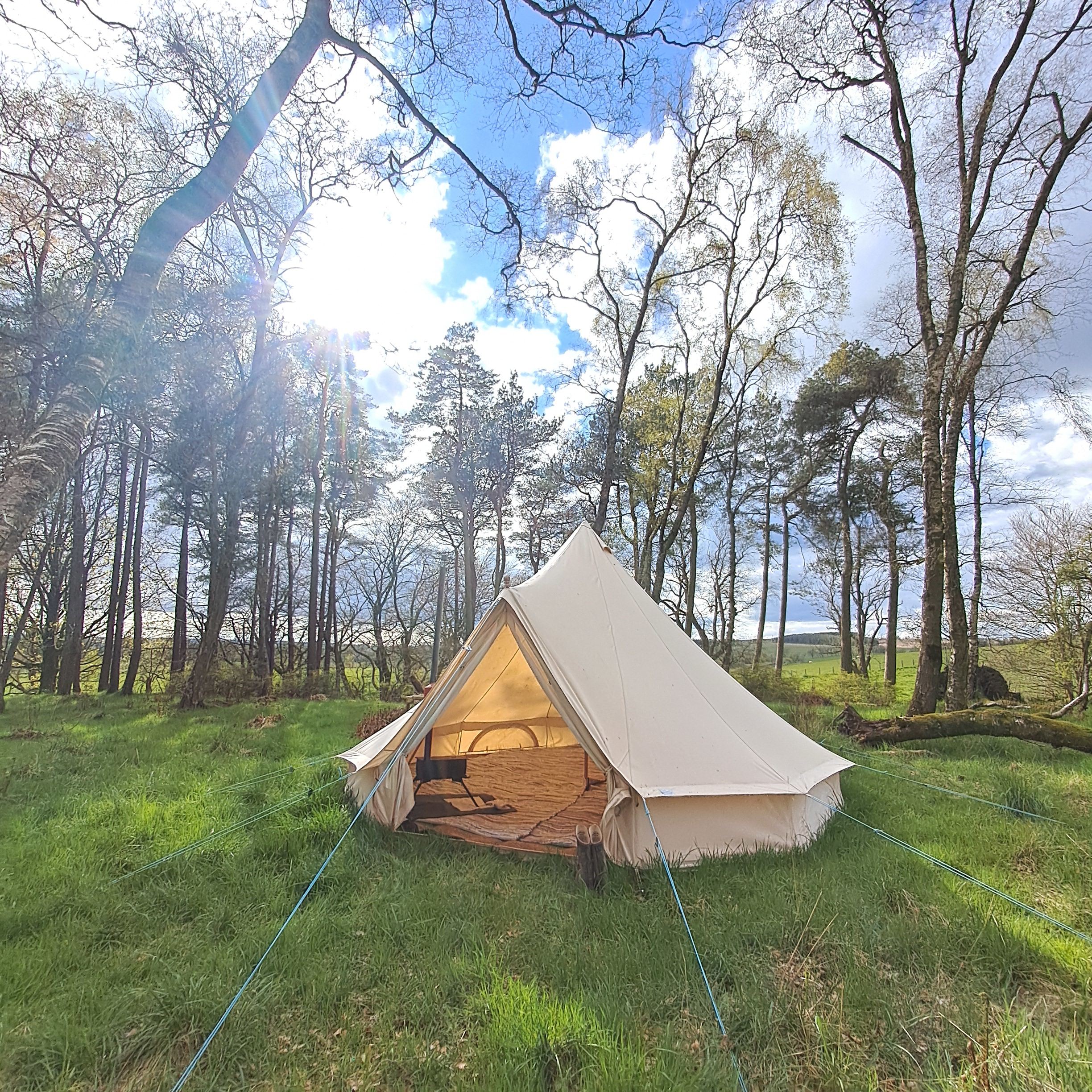
Cleghorn Farm is a mixed farm just north east of the market town of Lanark. Comprised of 250 acres of fields and woodland and bounded to the south by Mouse Water, it is a beautiful spot to get away from it all without having to leave it all behind if you don't want to. The fields are grazed and cultivated but the woodlands are much as they were at the end of the last ice age with spectacular walks along Cleghorn Glen with the chance to see badgers, bats, deer and all manner of birds among the towering pine and beech trees.
The Mouse Water (pronounced moose) tumbles down along the edge of the farm and has some glorious pools for swimming, shallows for paddling and some spectacular water falls before it joins the River Clyde.
Pets
Campfires
Potable water
from
£10
/ night
Cairn Meadow Pods
9. Cairn Meadow Pods
99%
(43)
Cumwhitton, England · 3 units
Glamping pods in Cumbria's secluded Eden Valley with views of the Pennines
Pets
Showers
Potable water
from
£98
/ night
Rowan Retreat
10. Rowan Retreat
England · 1 unit
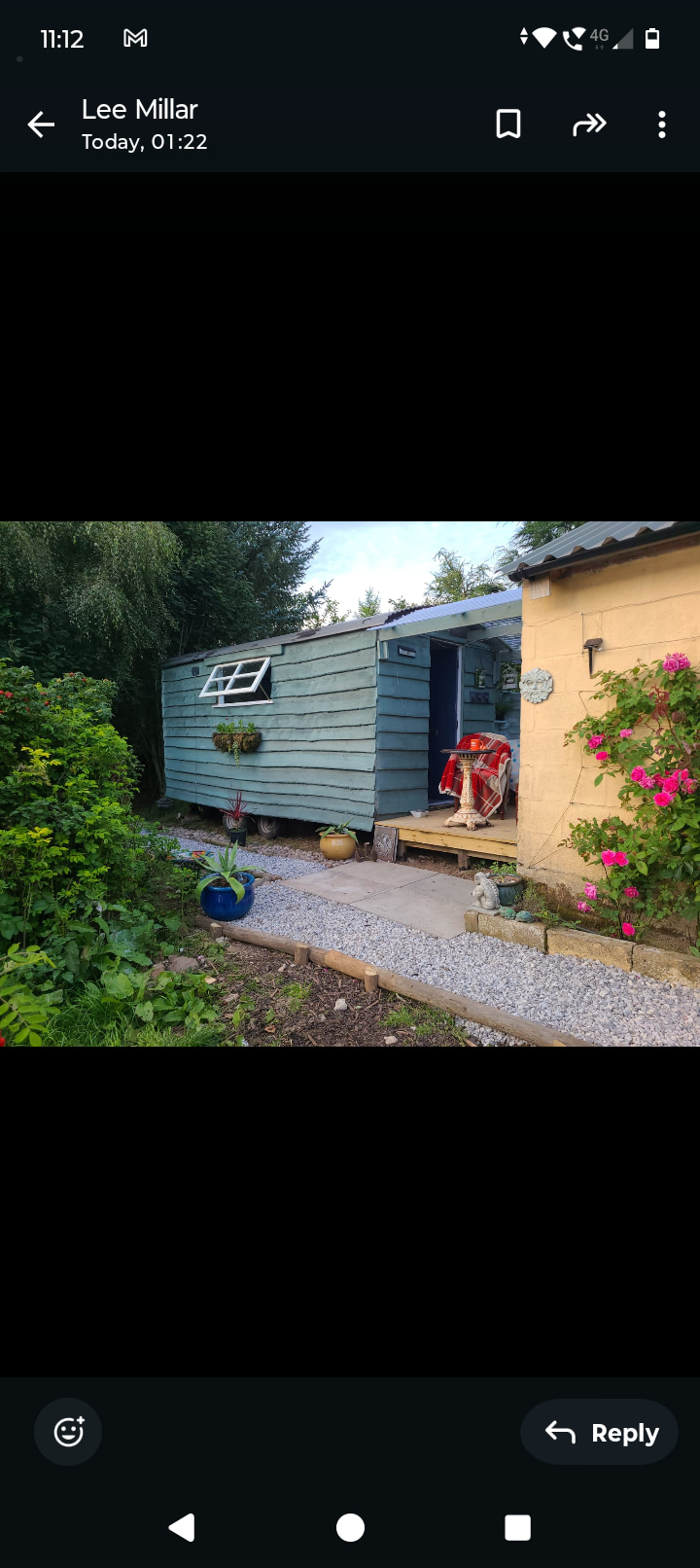
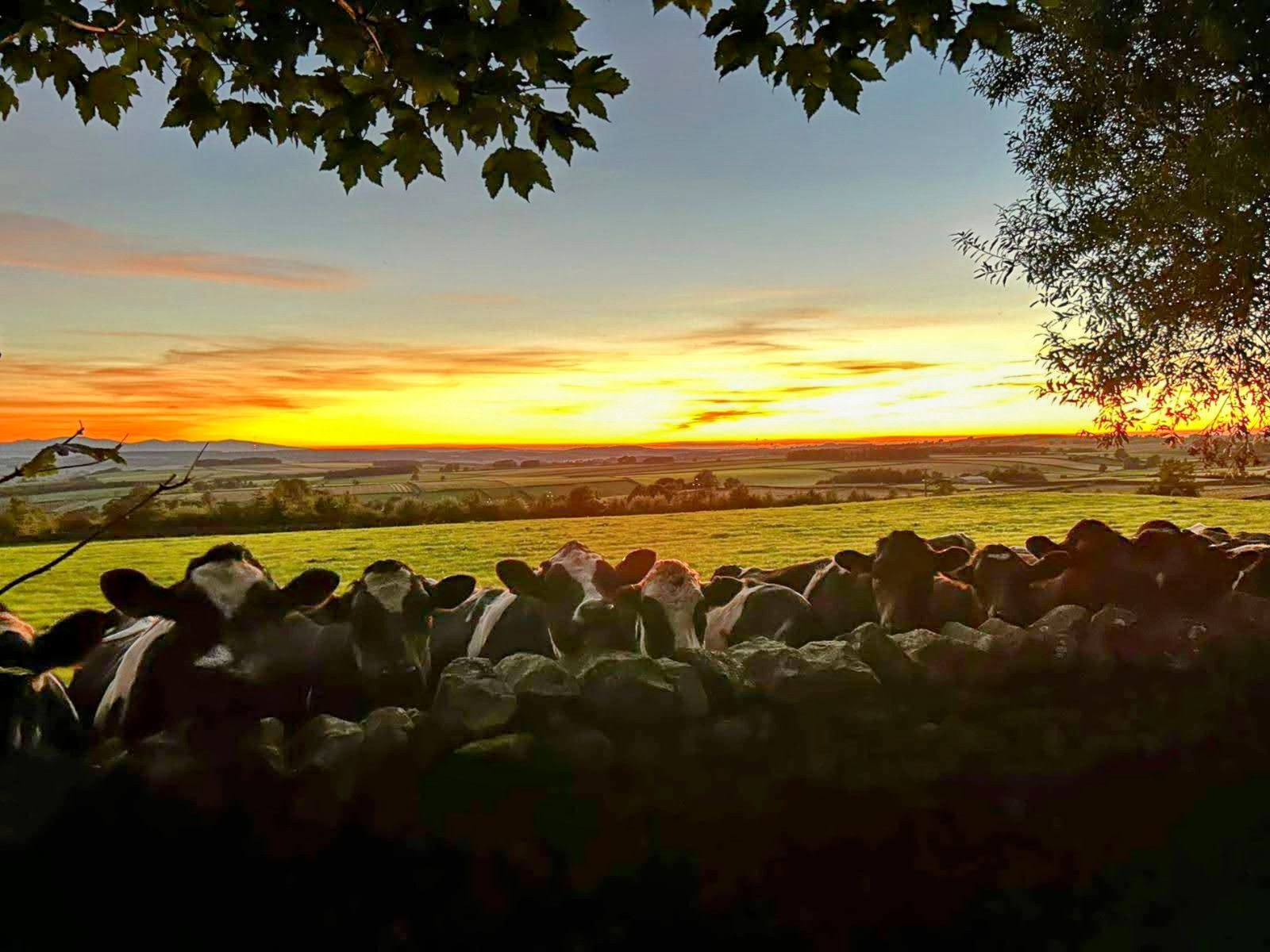
Shepherd's hut in idylic location with extensive views under dark skies,set on its own in a private 5 acre field amidst nature,semi off grid,decking under a canopy,firepit area, centrally located for Lake District,Yorkshire Dales, Northumberland and Scottish borders.
Pets
Showers
Campfires
from
£68
/ night
Hadrian's Wall Country Yurts
11. Hadrian's Wall Country Yurts
100%
(13)
Brampton, England · 2 units
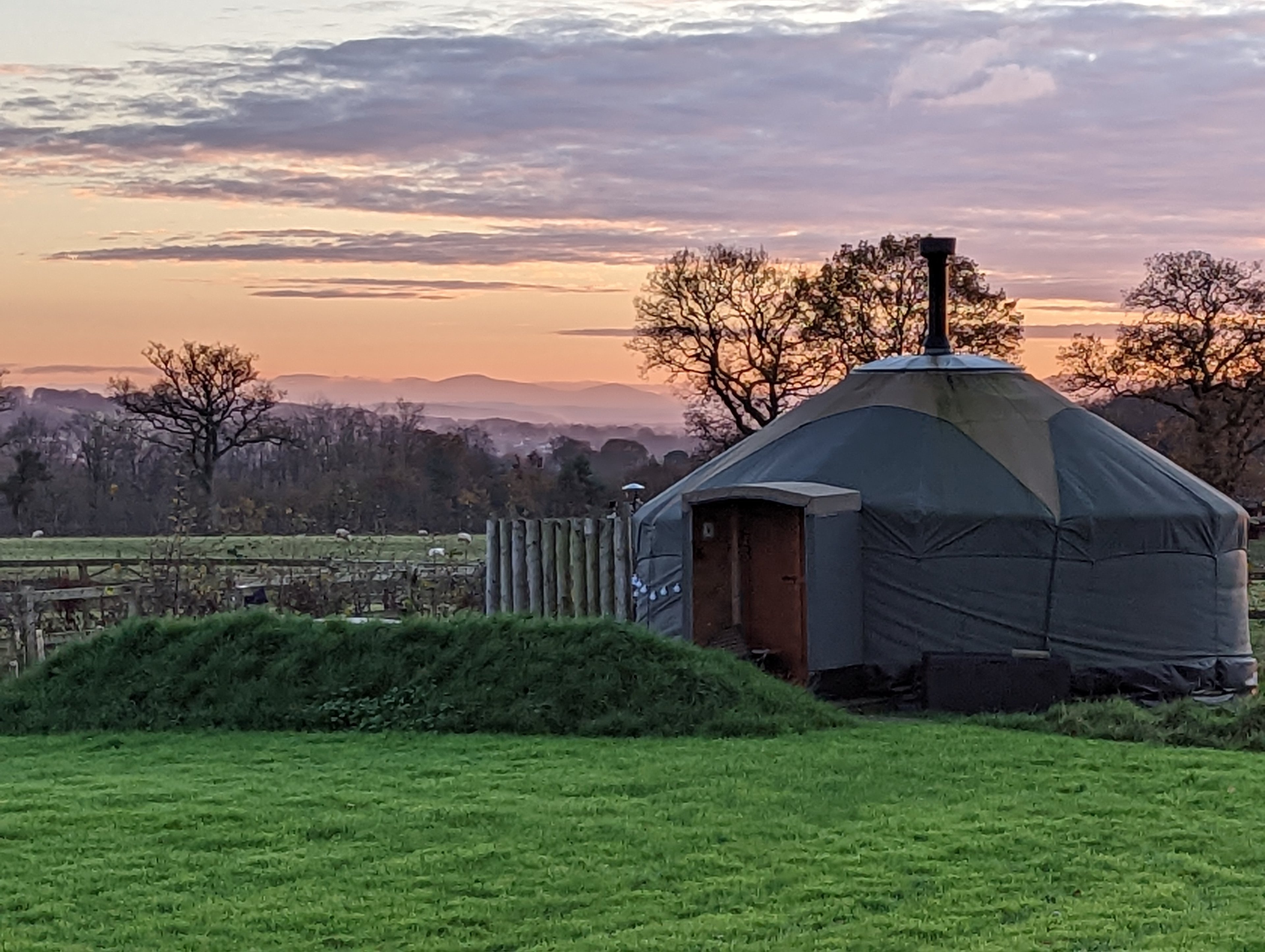
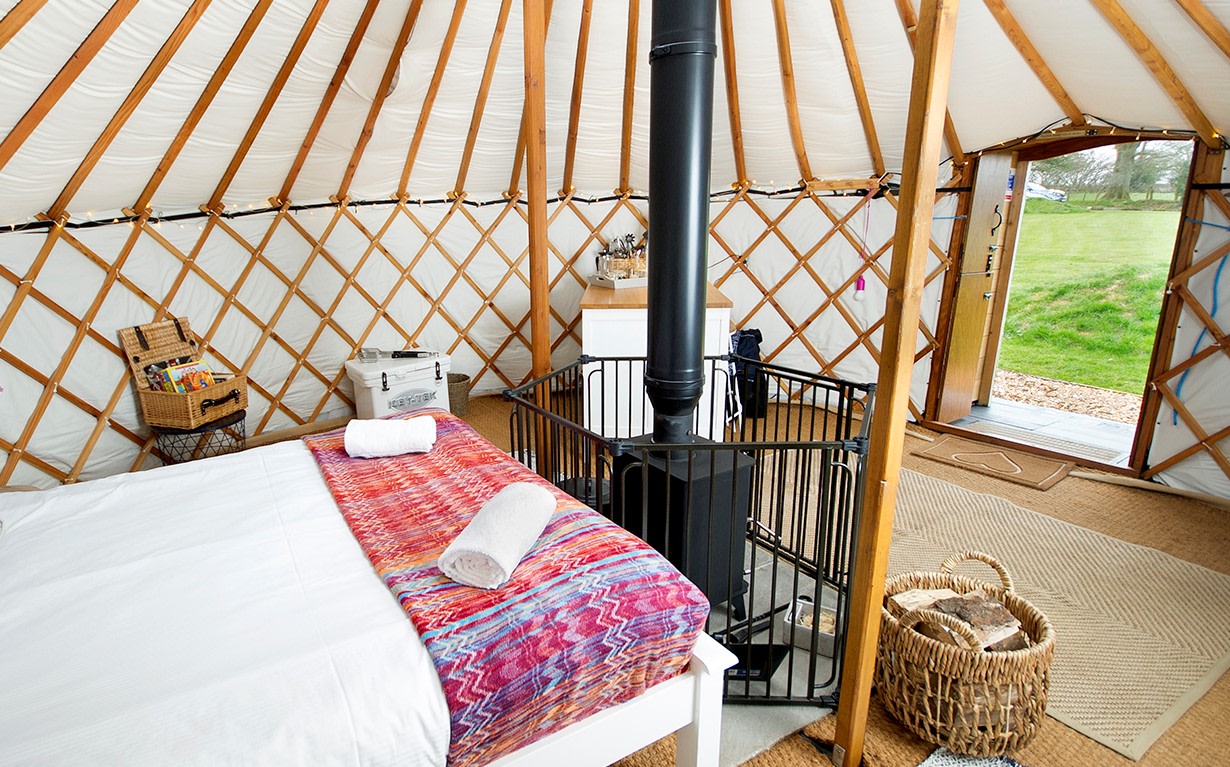
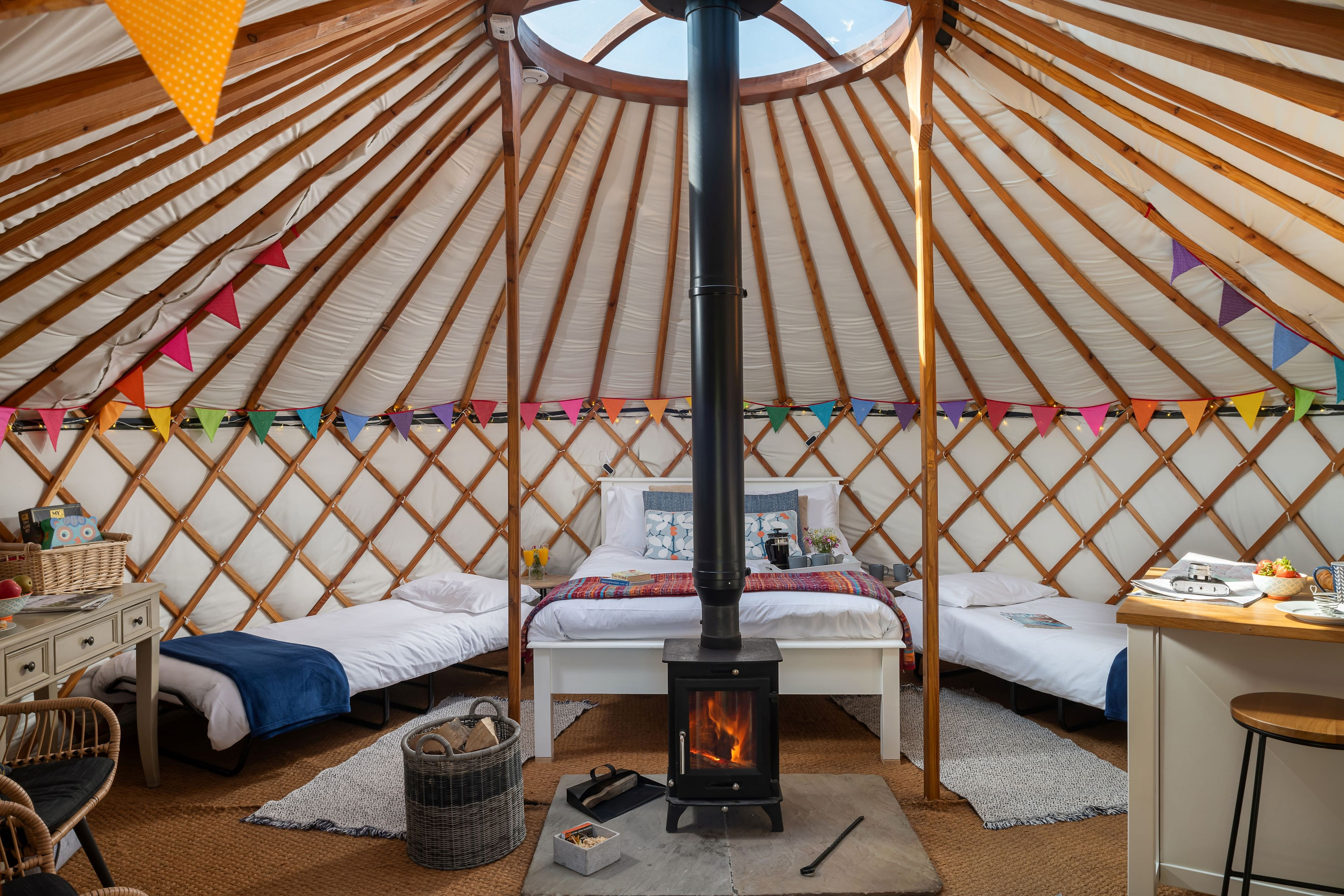
Two yurts with hot tubs in the Cumbrian countryside just a mile away from Hadrian’s Wall
Pets
Showers
Campfires
from
£210
/ night
Inside Out Yurts
12. Inside Out Yurts
100%
(9)
Keswick, England · 3 units
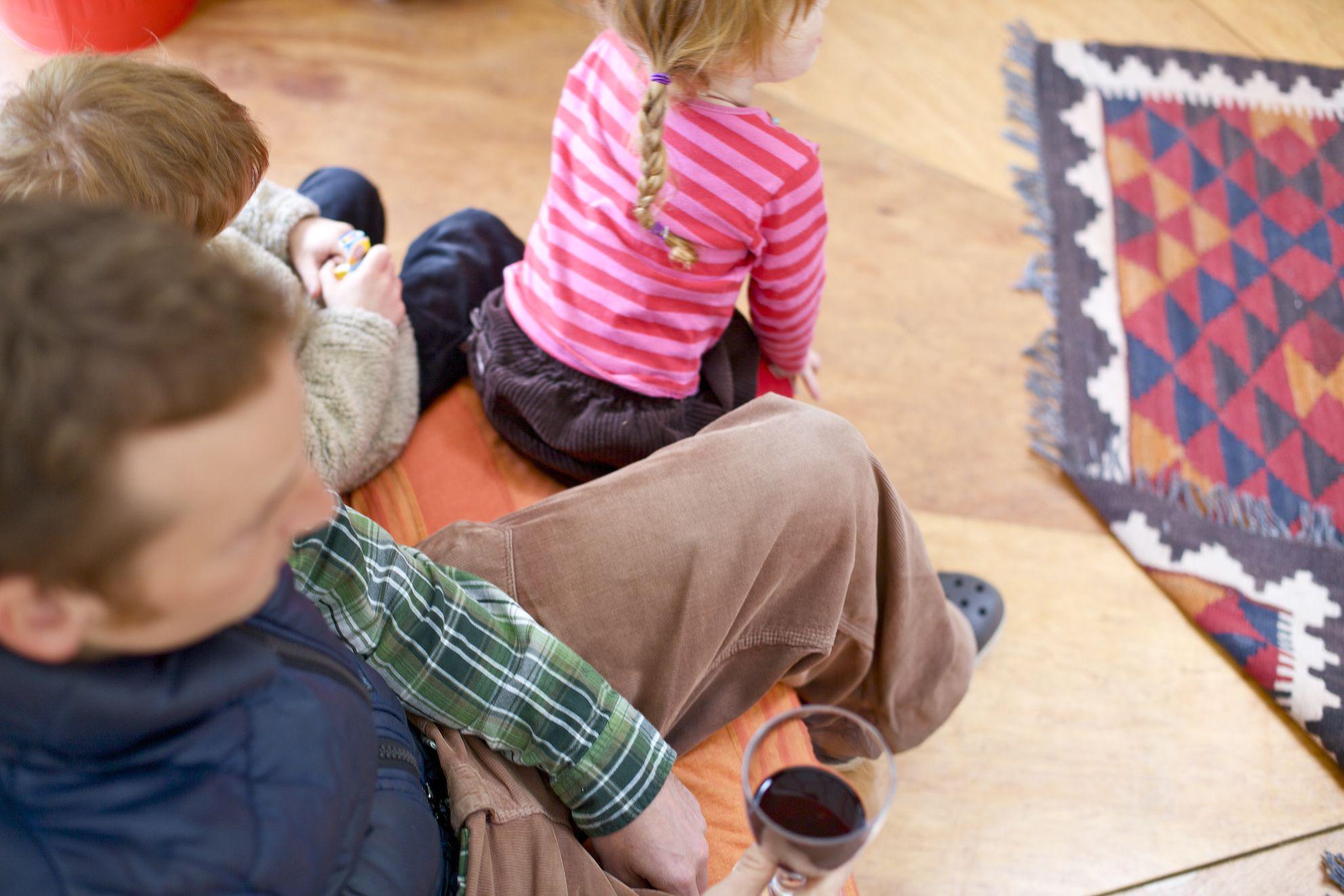
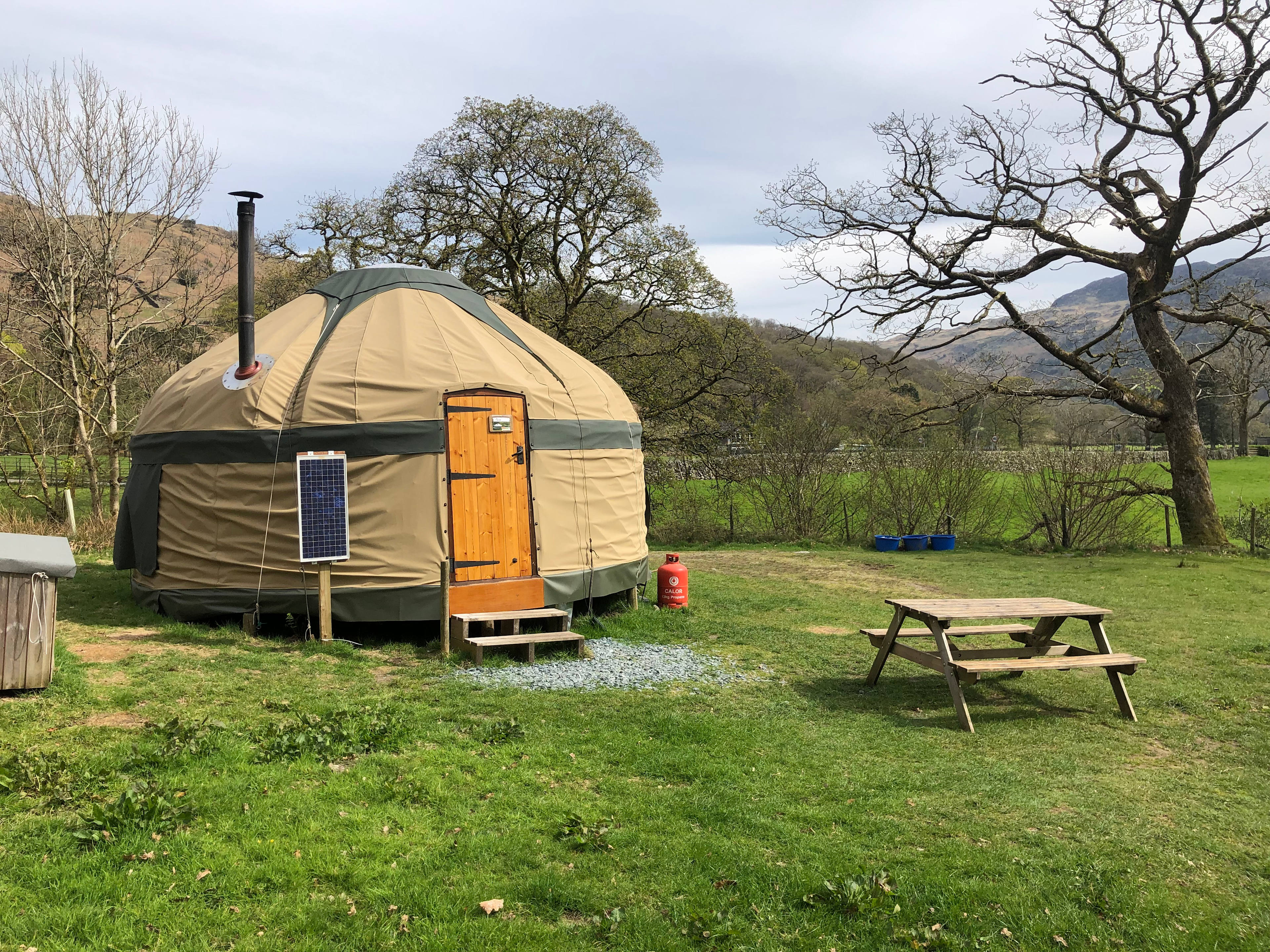
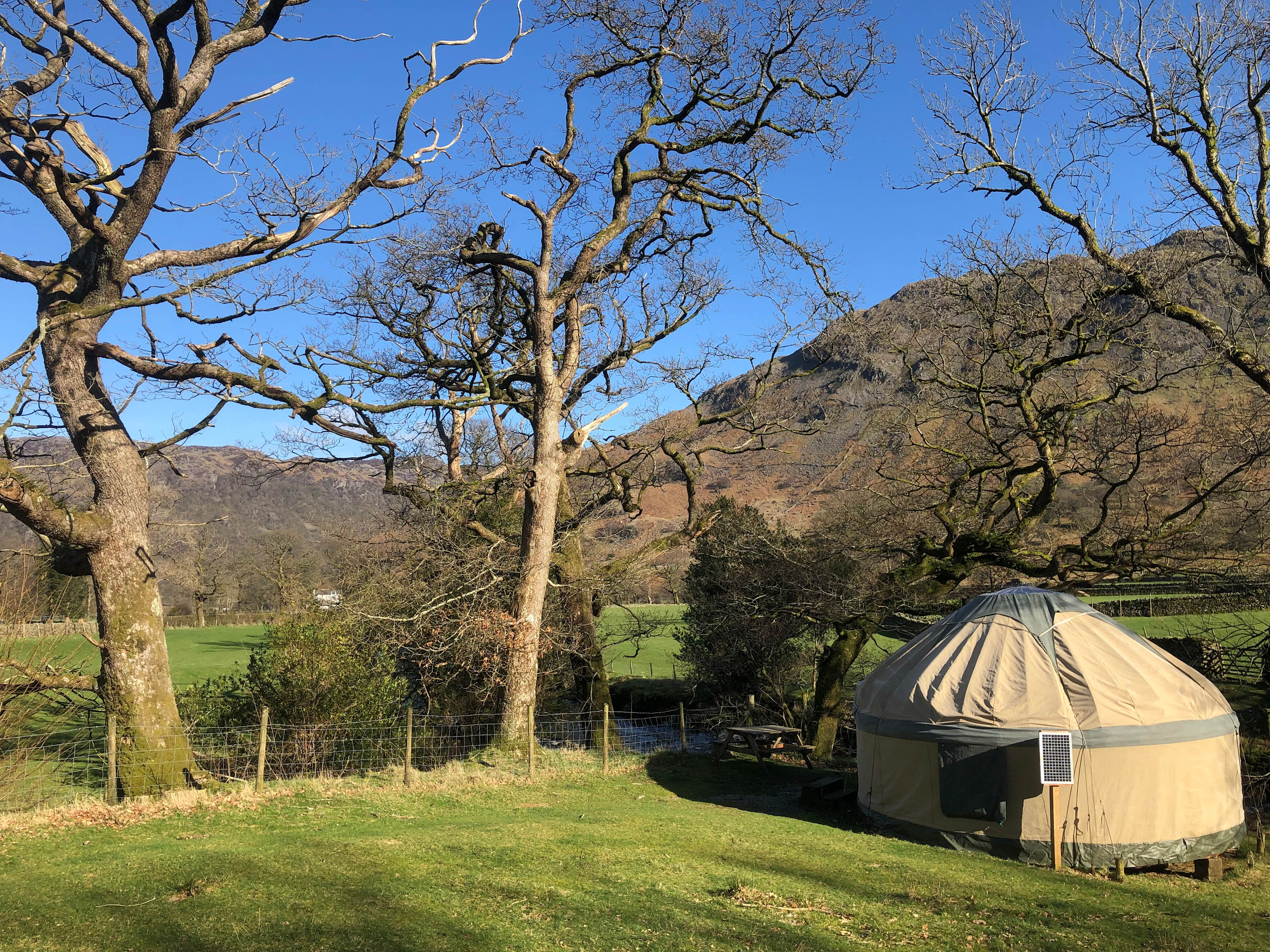
Rustic yurt glamping with a riverside setting, fell views and an enviable Lake District location
Pets
Showers
Potable water
from
£115
/ night
Craigend Farm
13. Craigend Farm
Dumfries, Scotland · 2 units
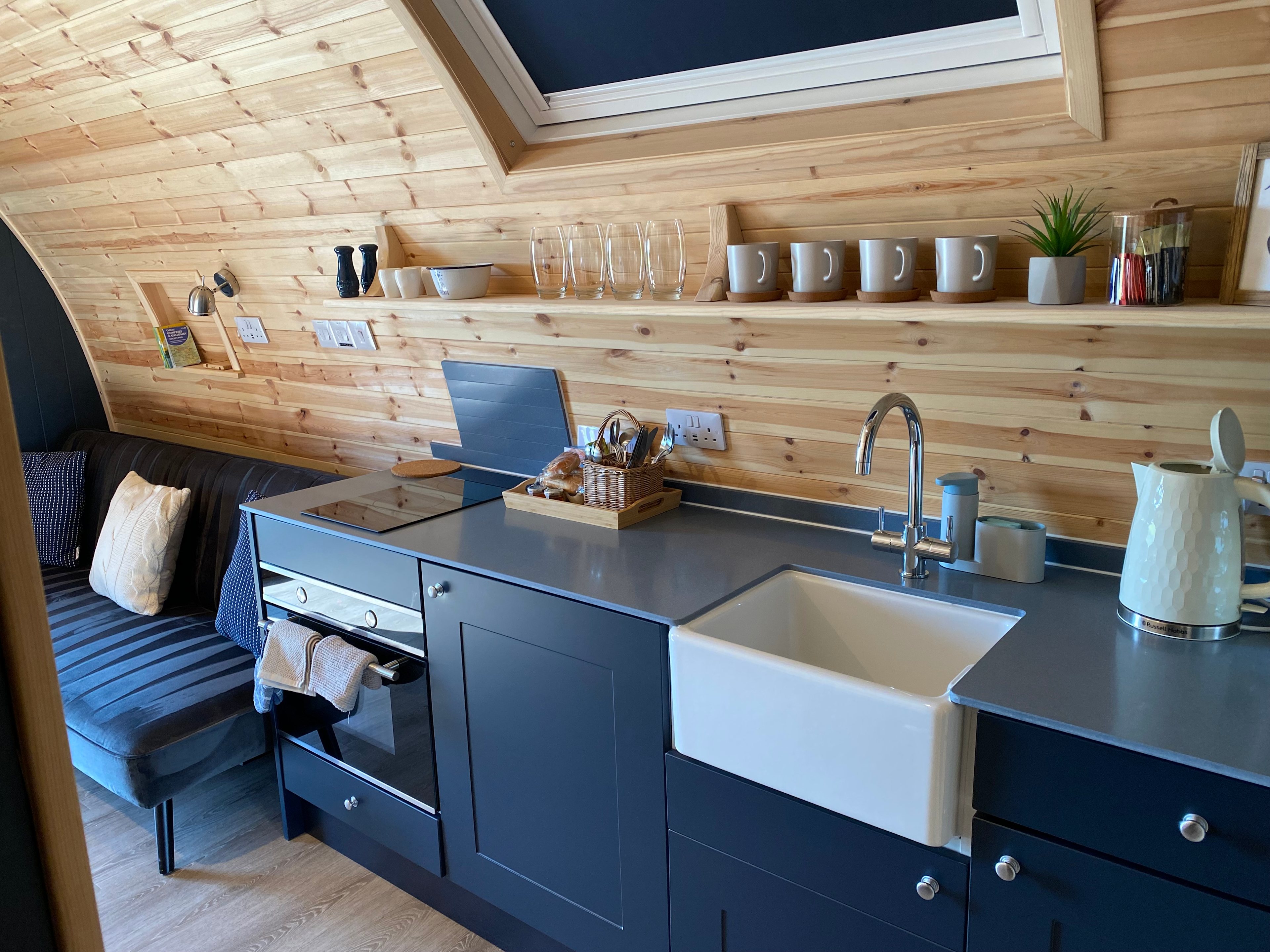
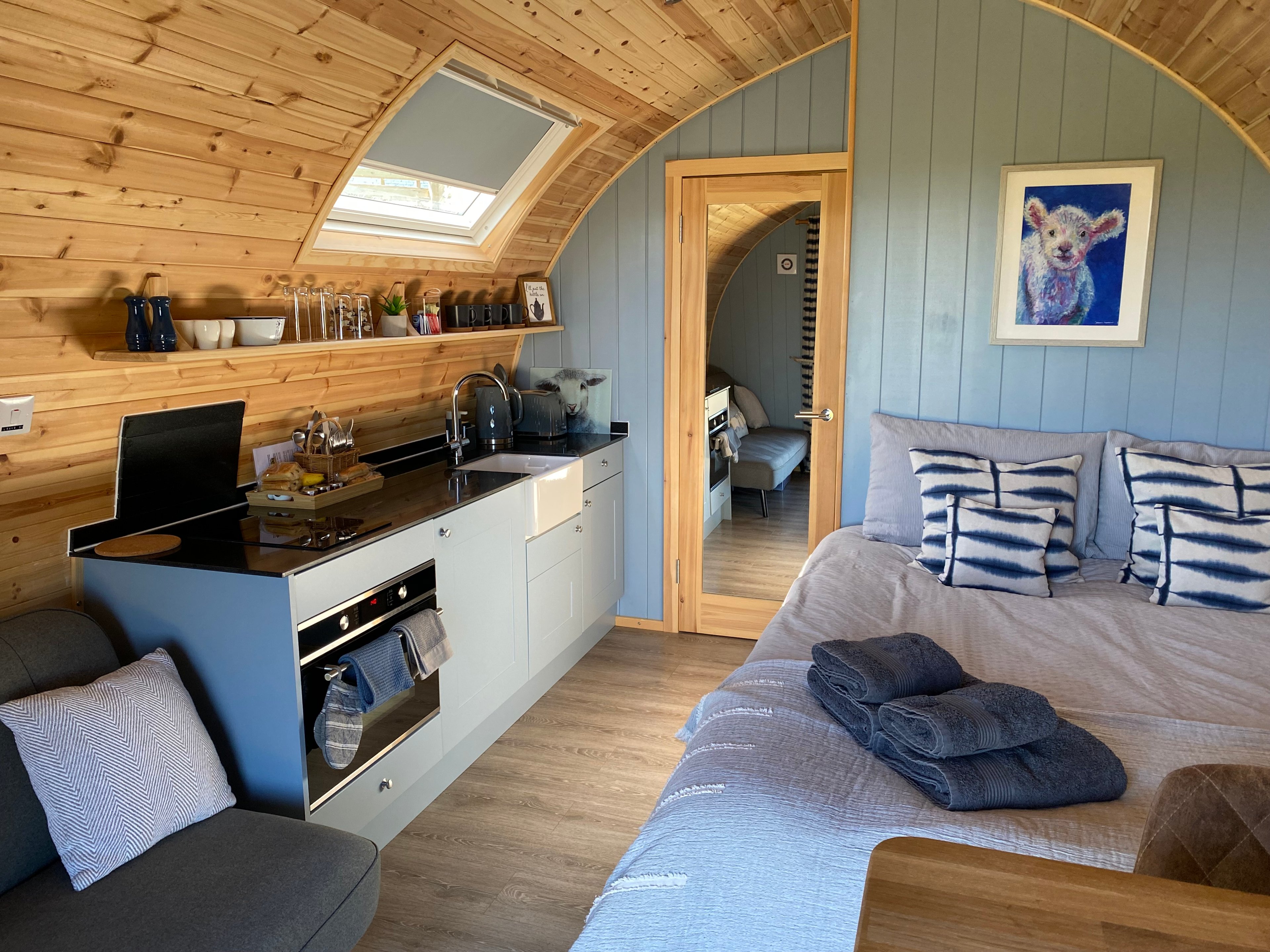
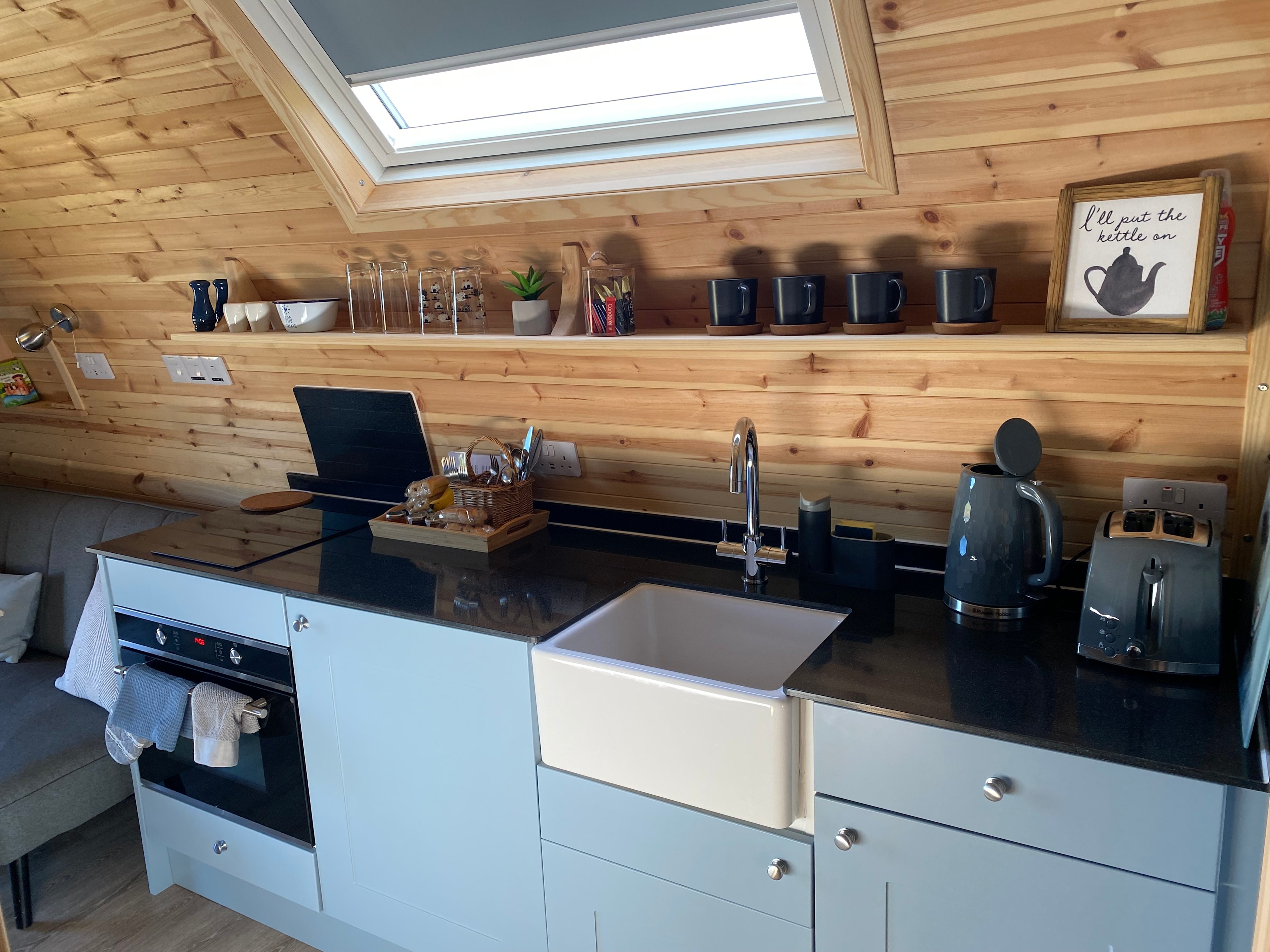
Smart glamping pods on the rural outskirts of Dumfries
Showers
Wifi
Potable water
from
£115
/ night
Langley Dam Glamping
14. Langley Dam Glamping
England · 3 units
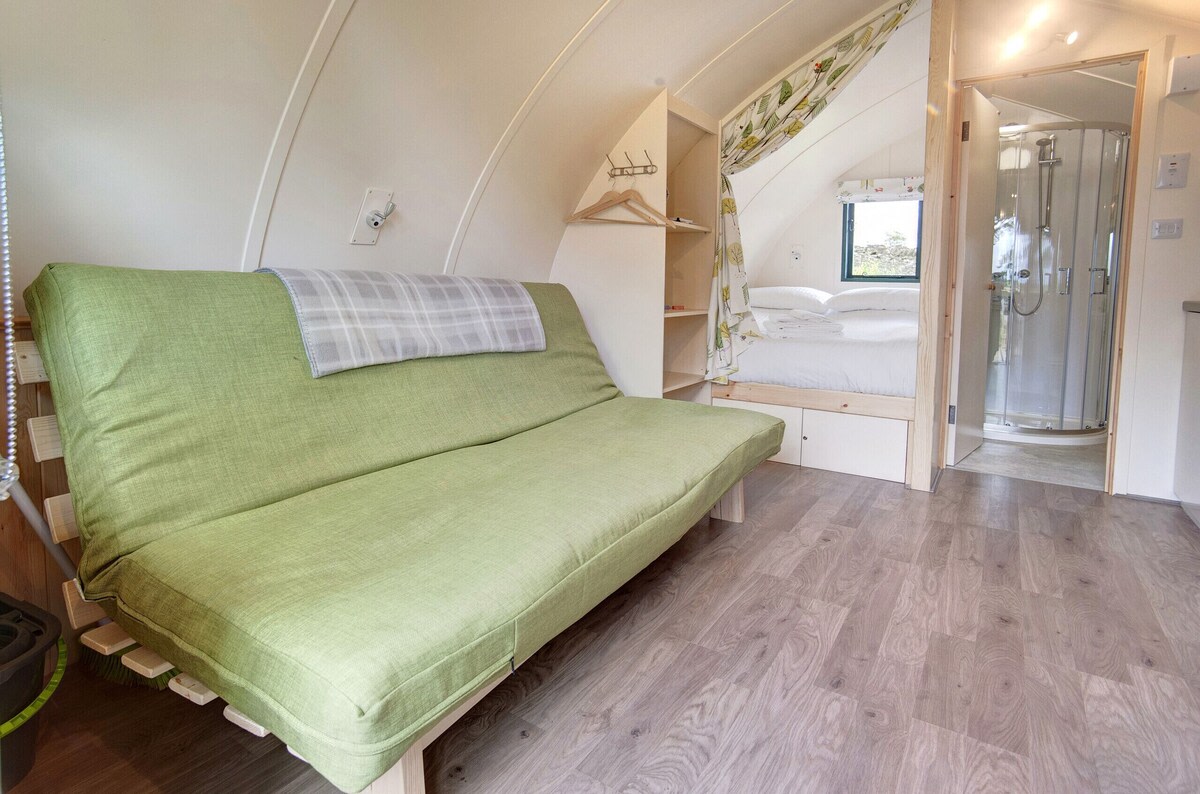
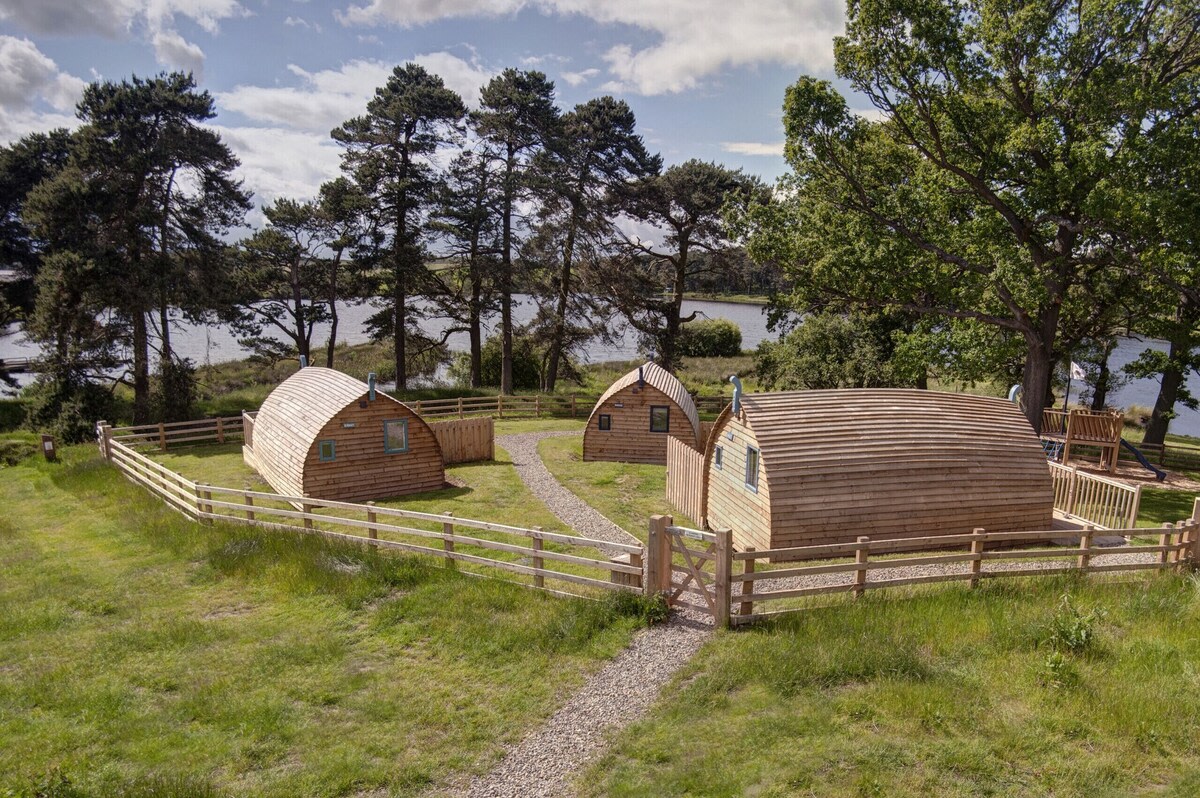
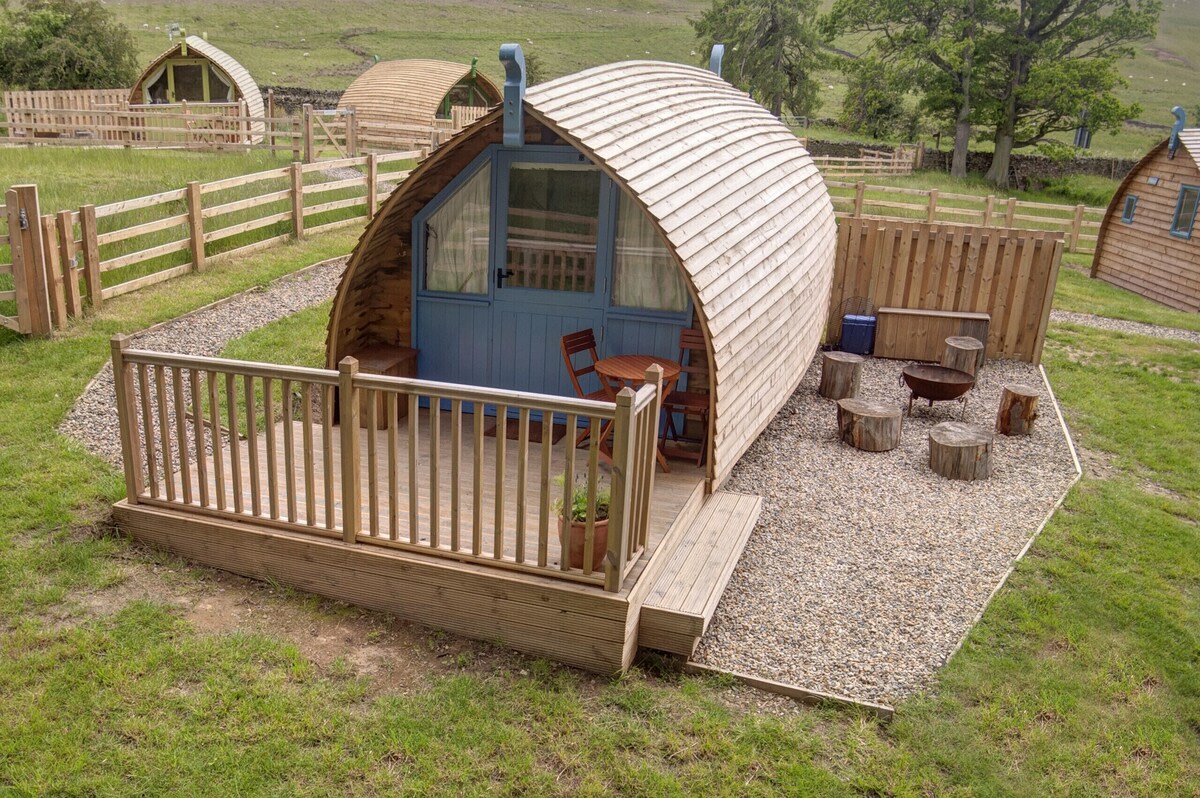
Nestled in the Tyne Valley, on our beef and sheep farm, at the edge of the North Pennines Area of Outstanding Natural Beauty Langley Dam Glamping provides high quality, en-suite accommodation in our unique glamping cabins.
The six ‘Langley Longboat’ cabins are positioned on the bank of Langley Dam Reservoir, providing exceptional views over the 14 acres of water and towards Whitfield moor. Langley Dam itself is a commercial fly fishery and Troutmaster water. Visitors are welcome, and encouraged, to enjoy the fishing experience that the water provides (charges do apply, but residents have discounted fishing fees). We also have rowing boats that can be hired for fishing purposes.
We have created some fantastic 3D showcases of the inside of the cabins. You can use these to get a better feel of how the cabins are laid out. We have created 3 showcases to reflect the 3 types of cabins we have. Humbleton is unique, then The Wonneys which is the same layout as The Rushy Lot, and Wheatleys which is the same as Blackcleugh and Bare Bones.
Pets
Showers
Campfires
from
£167
/ night
Renison's Farm
15. Renison's Farm
100%
(1)
Penrith, England · 1 unit
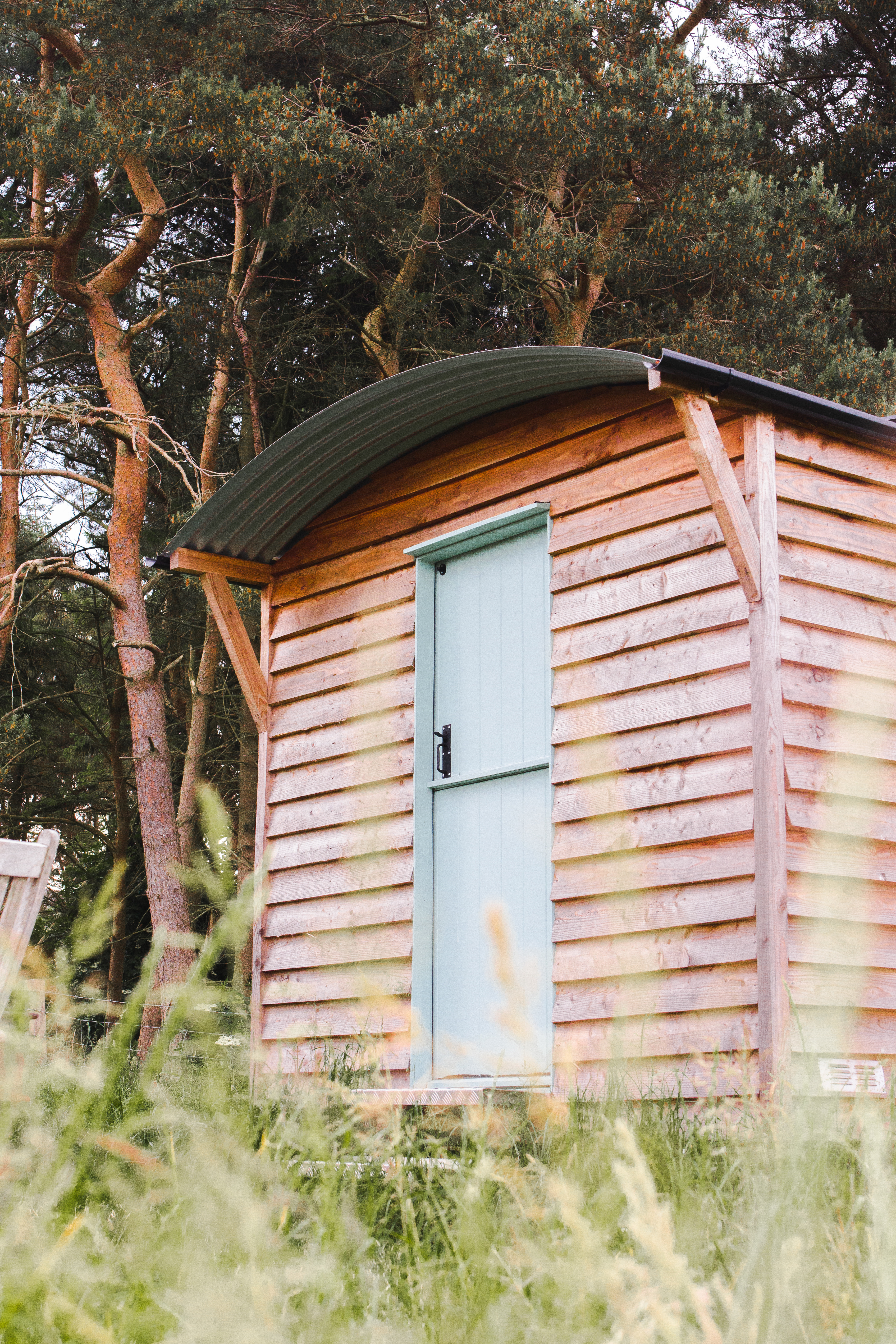
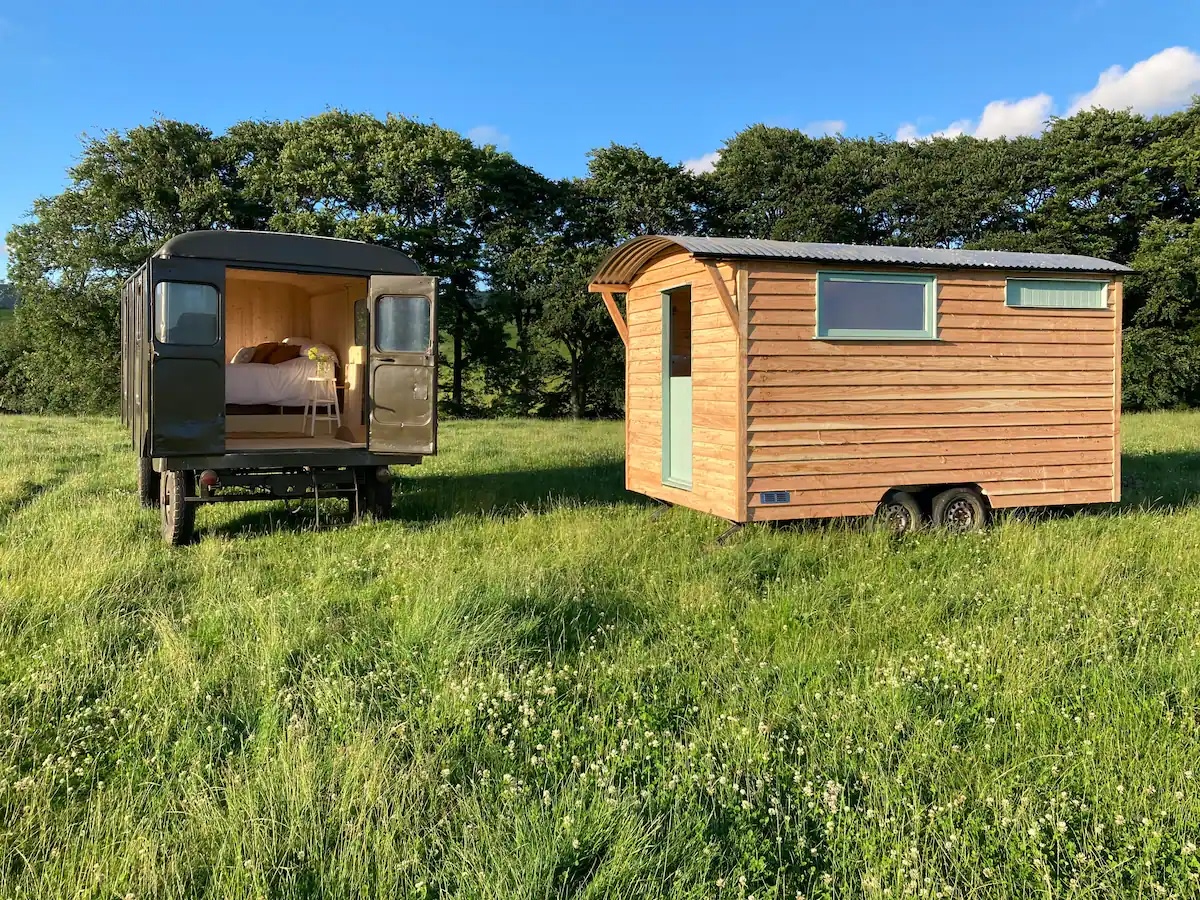
Off-grid wagon glamping on a farm with views of Lake District fells
Pets
Showers
Campfires
from
£90
/ night
Garrison Shepherd's Huts
16. Garrison Shepherd's Huts
100%
(2)
Bowness On Solway, England · 4 units
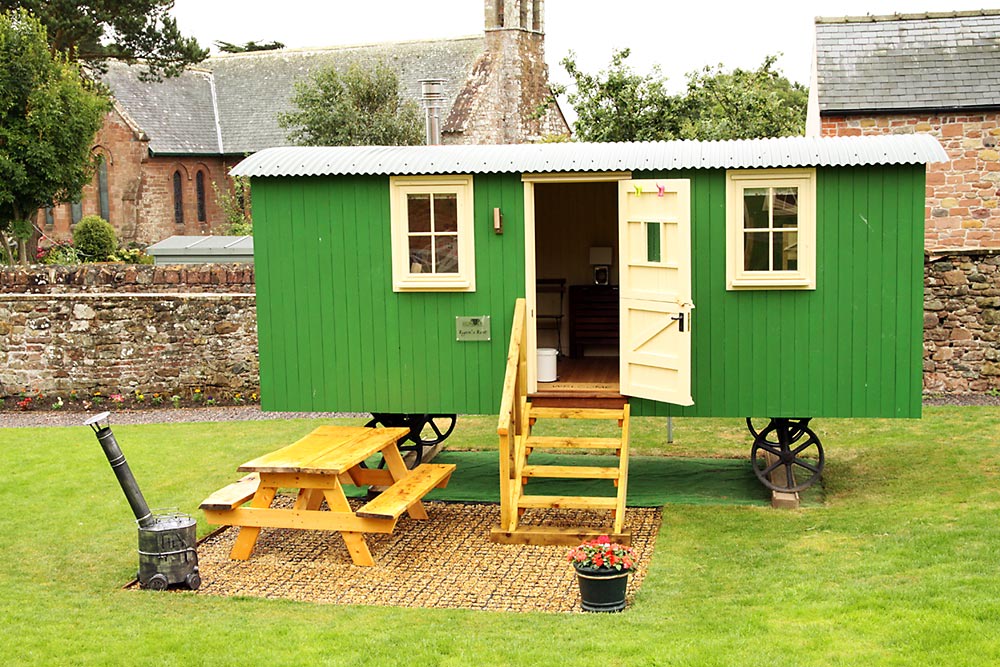
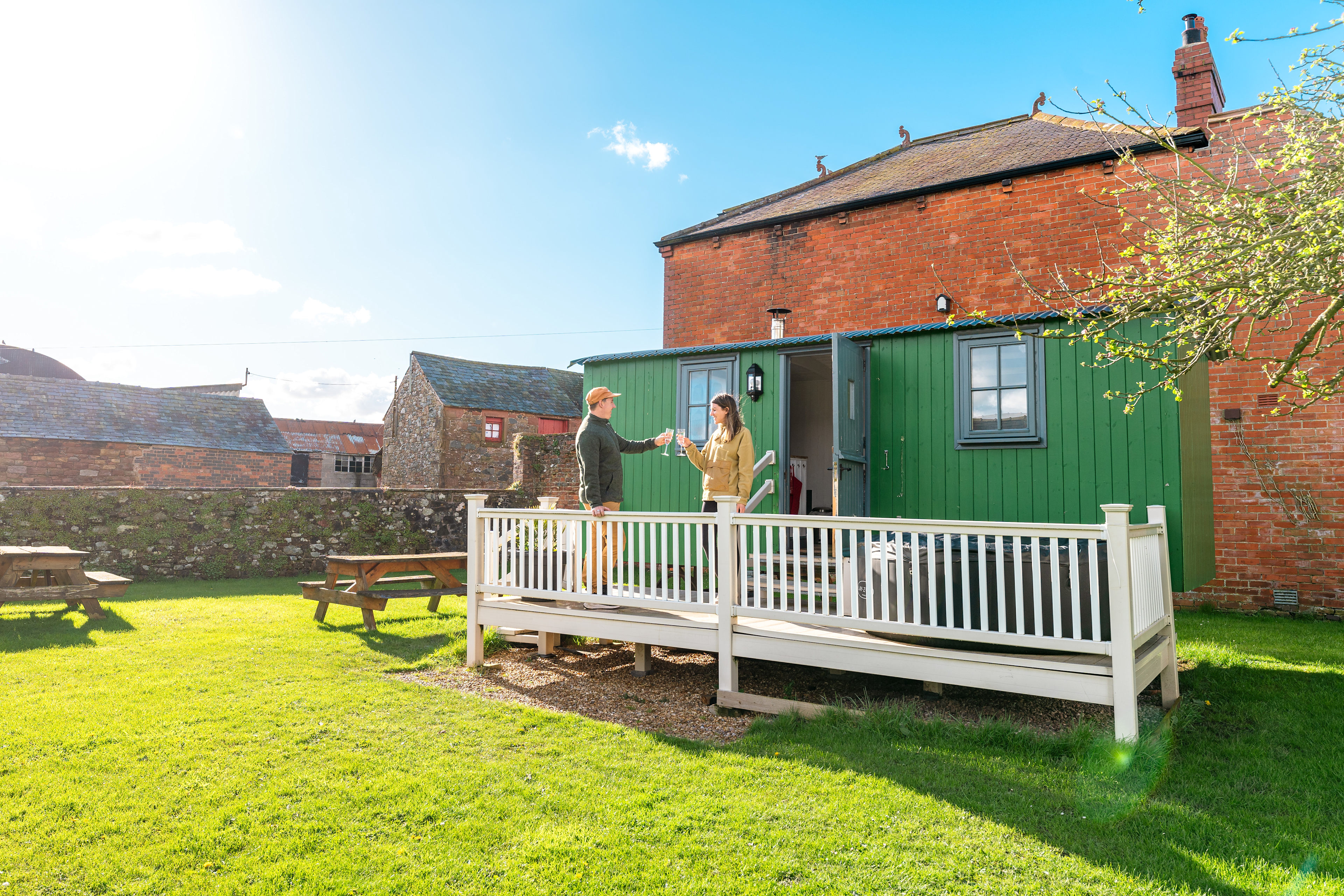
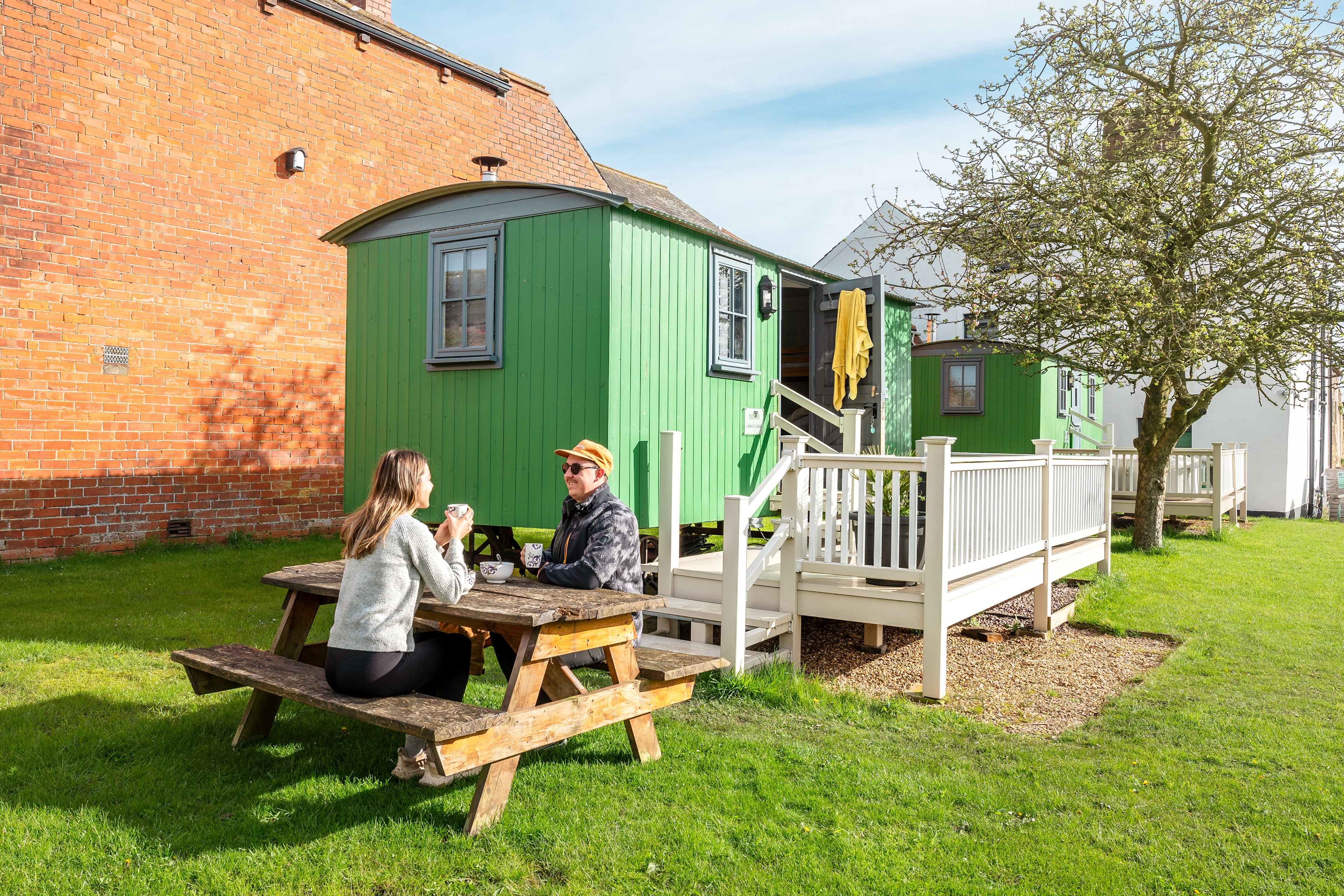
Shepherd’s hut glamping near Hadrian’s Wall and the Solway Firth.
Pets
Showers
Hot Tub
from
£100
/ night
Stone Raise Bells
17. Stone Raise Bells
92%
(6)
Carlisle, England · 3 units
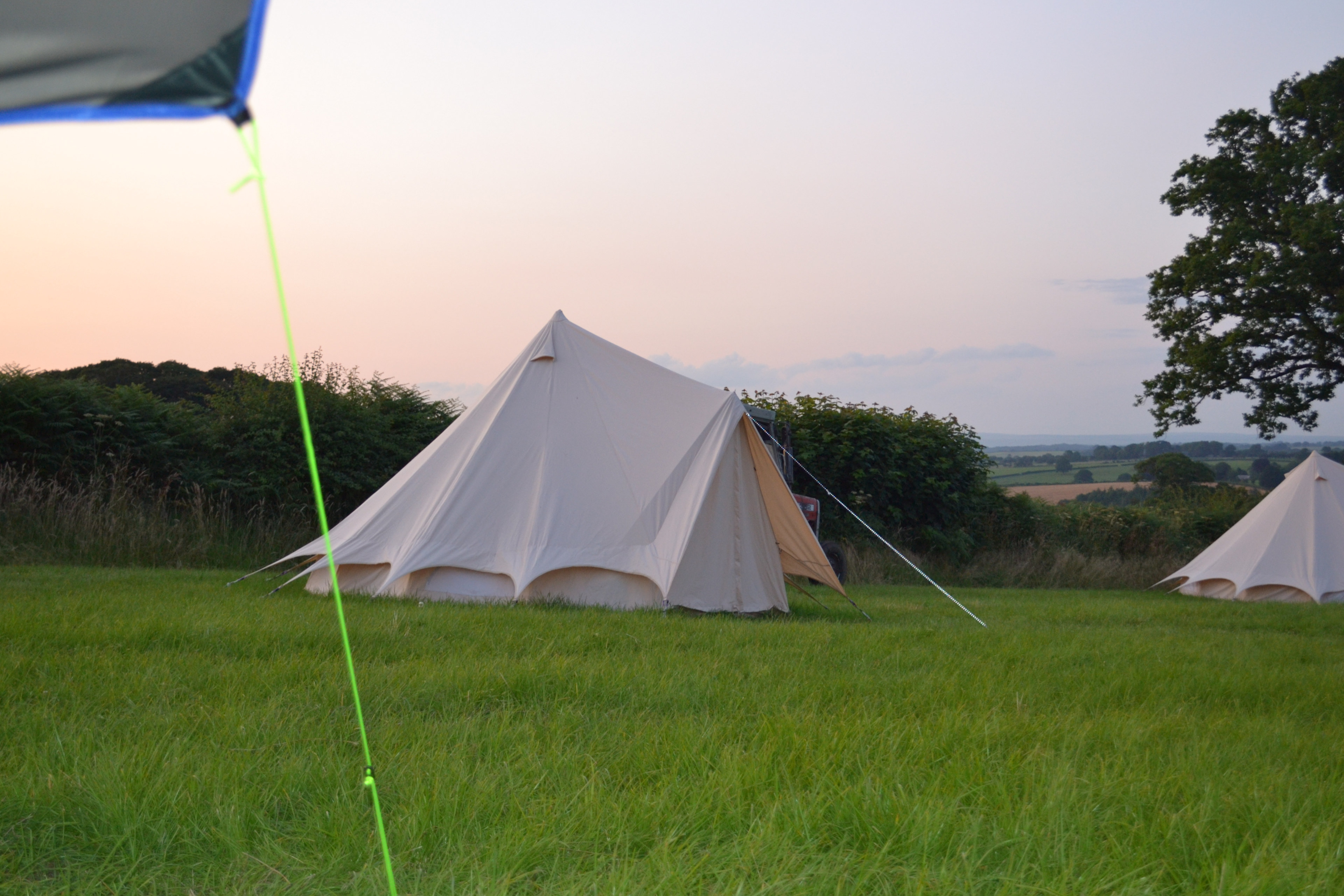
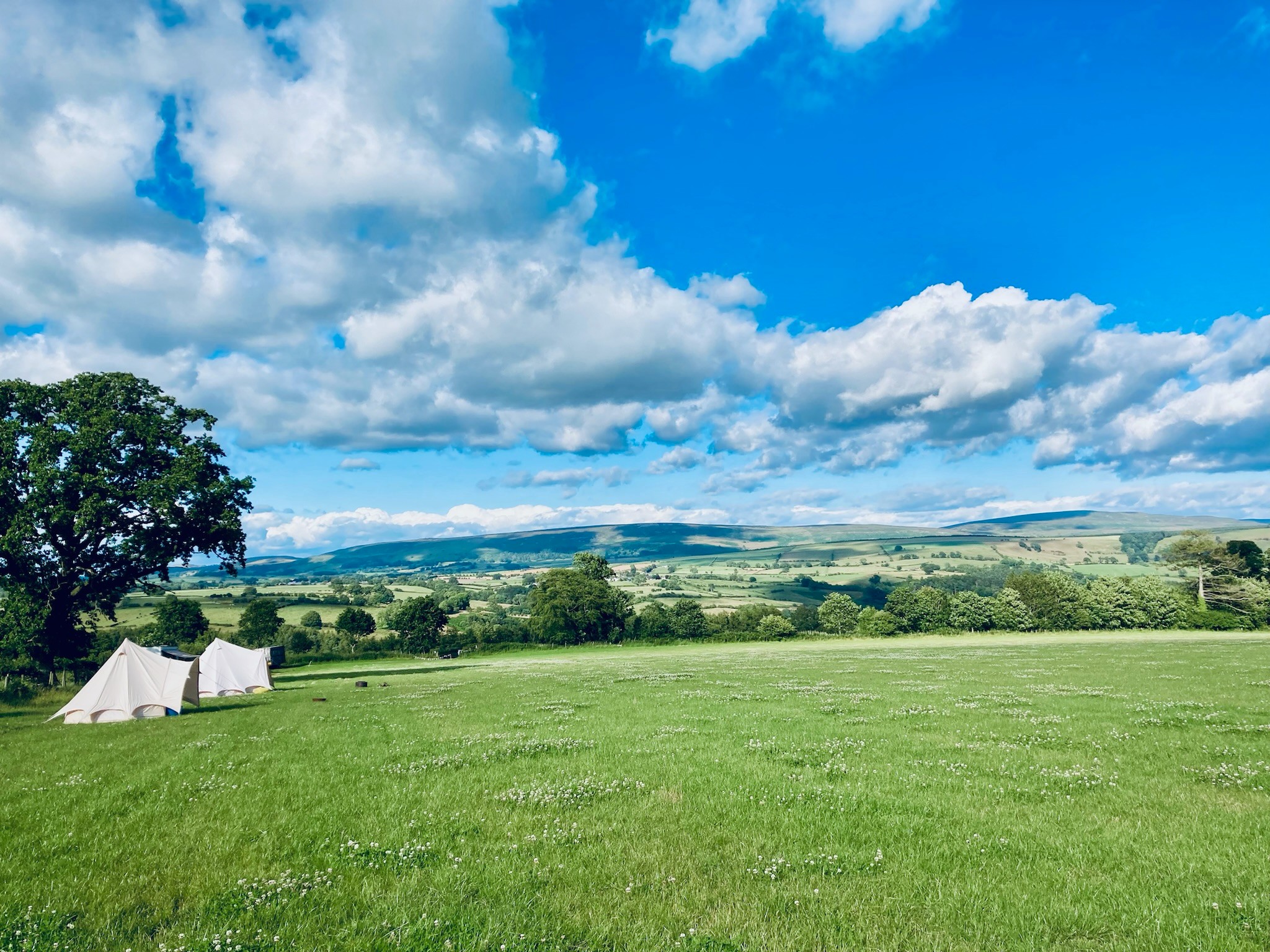
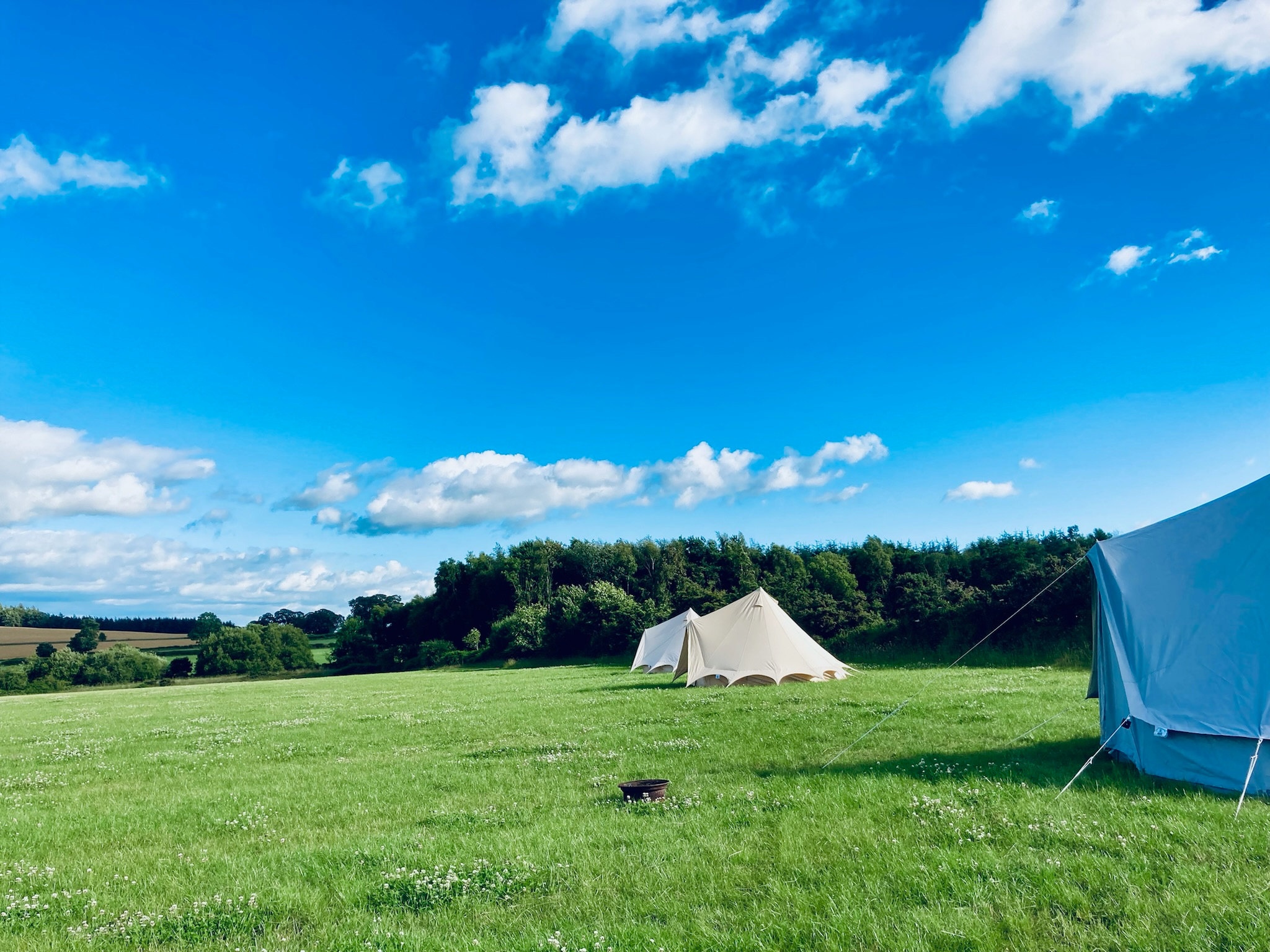
Off-grid bell tents on a working farm in Cumbria’s Eden Valley
Pets
Showers
Campfires
from
£65
/ night
Raiders Rest
18. Raiders Rest
Scotland · 1 unit
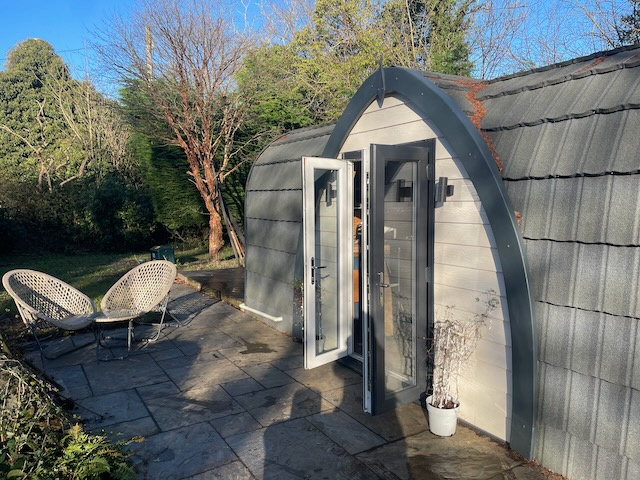
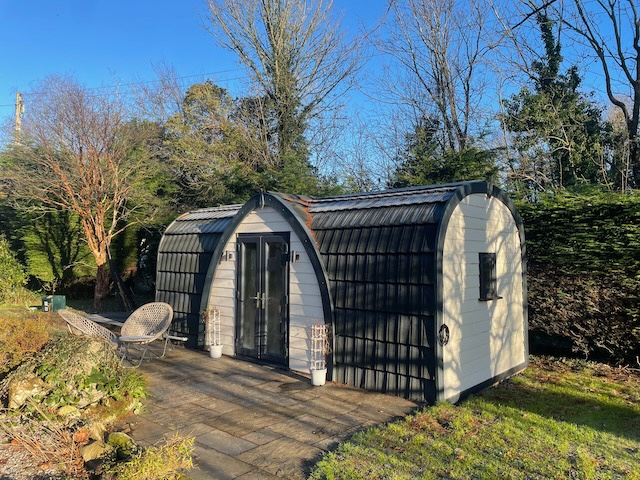
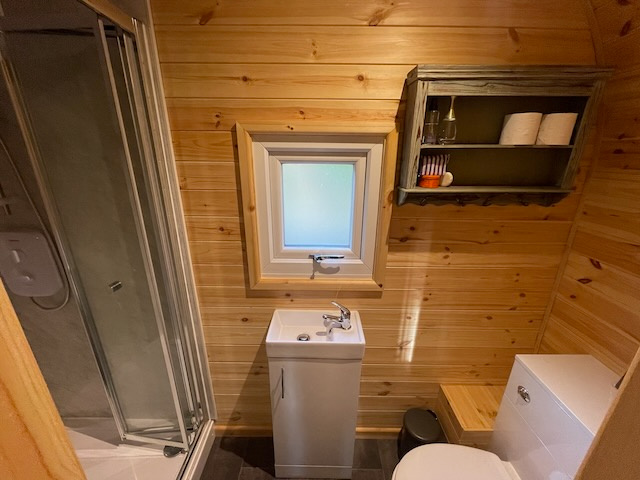
Private farm glamping pod on the banks of the Urr Water, Dumfries & Galloway. One of Scotland's darkest sky locations — the Milky Way is visible from your garden. Proper bed, full kitchen, shower, fast wifi, and a fenced private garden. Farm-fresh eggs available. Village pub 3 minutes on foot. Castle Douglas 10 mins, Galloway Forest Park 20 mins. The real escape you've been putting off.
A warm, well-equipped glamping pod on a working farm — not a field with a mattress. Sleeps 2. Full kitchen, shower room, private fenced garden with open paddock views, fast wifi, and TV. Free-range Orpington chickens next door and dark skies above. Quiet, completely private, and genuinely comfortable. The village pub is a 3-minute walk — but you probably won't want to leave the garden.
Showers
Wifi
Potable water
from
£80
/ night
Esk Yurt
19. Esk Yurt
100%
(5)
Peebles, Scotland · 1 unit
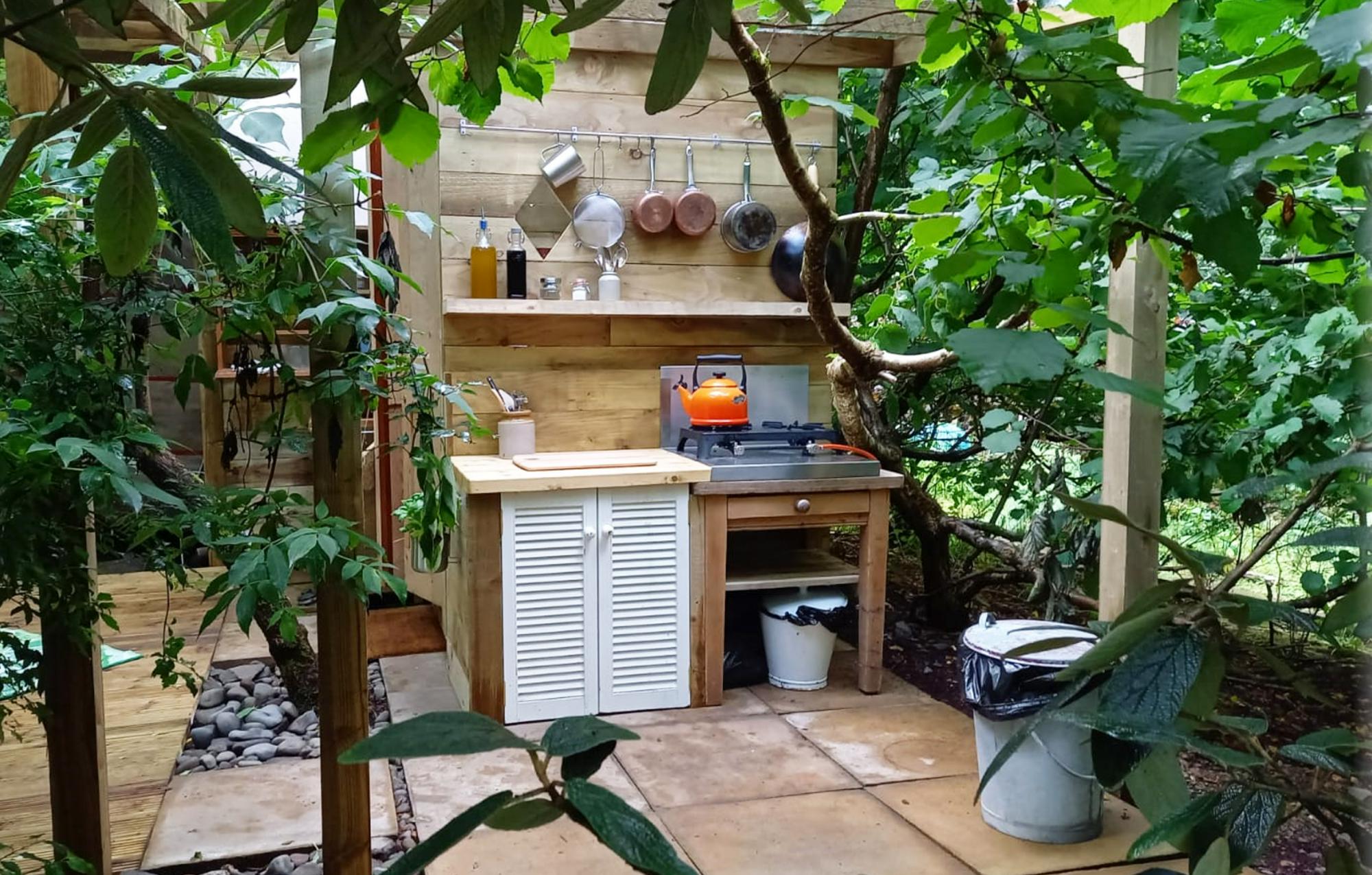
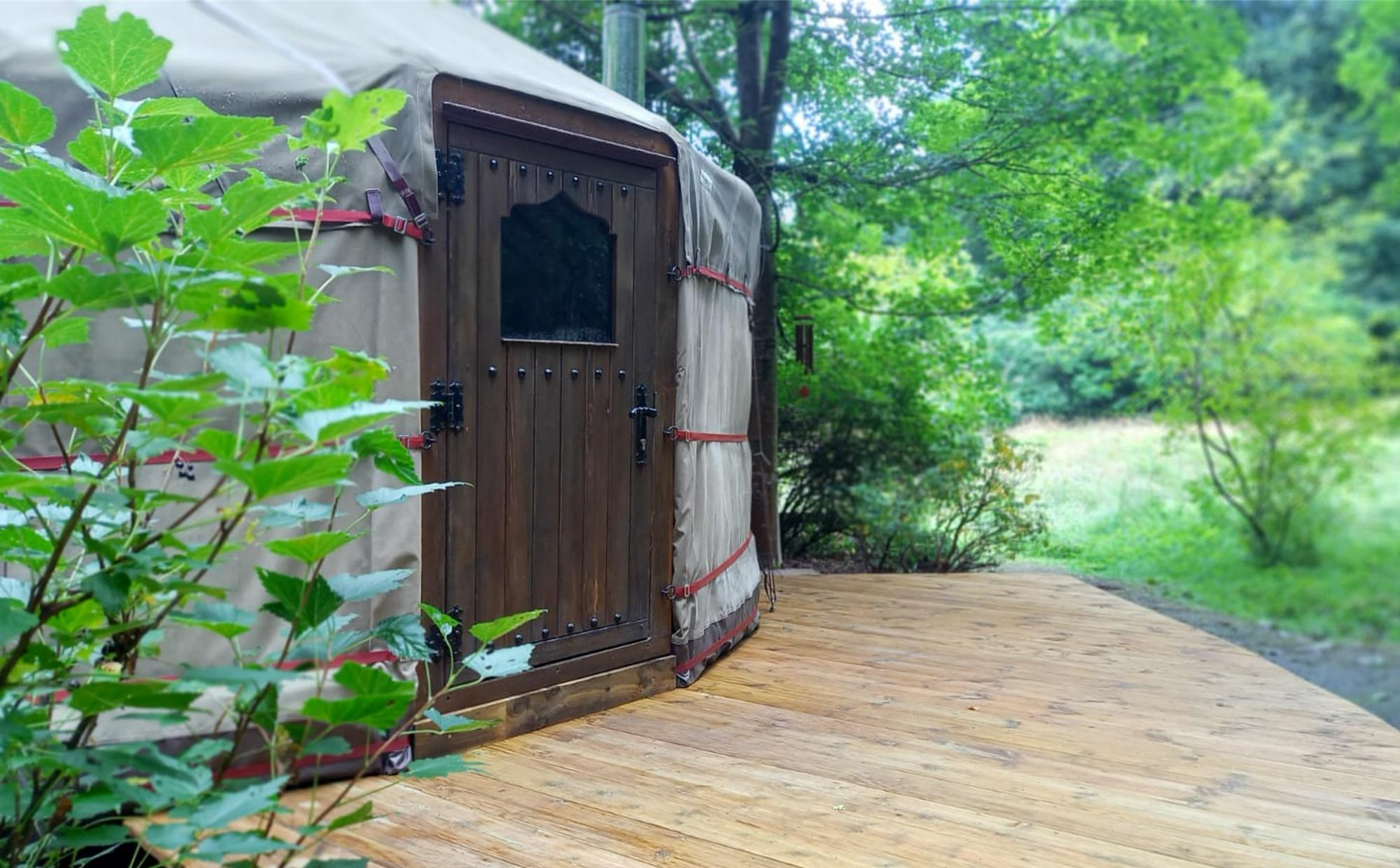
Adult only yurt glamping in the Scottish Borders with exceptional views, hiking trails, and wild swimming
Showers
Potable water
from
£130
/ night
Garden Yurt in a hidden glen
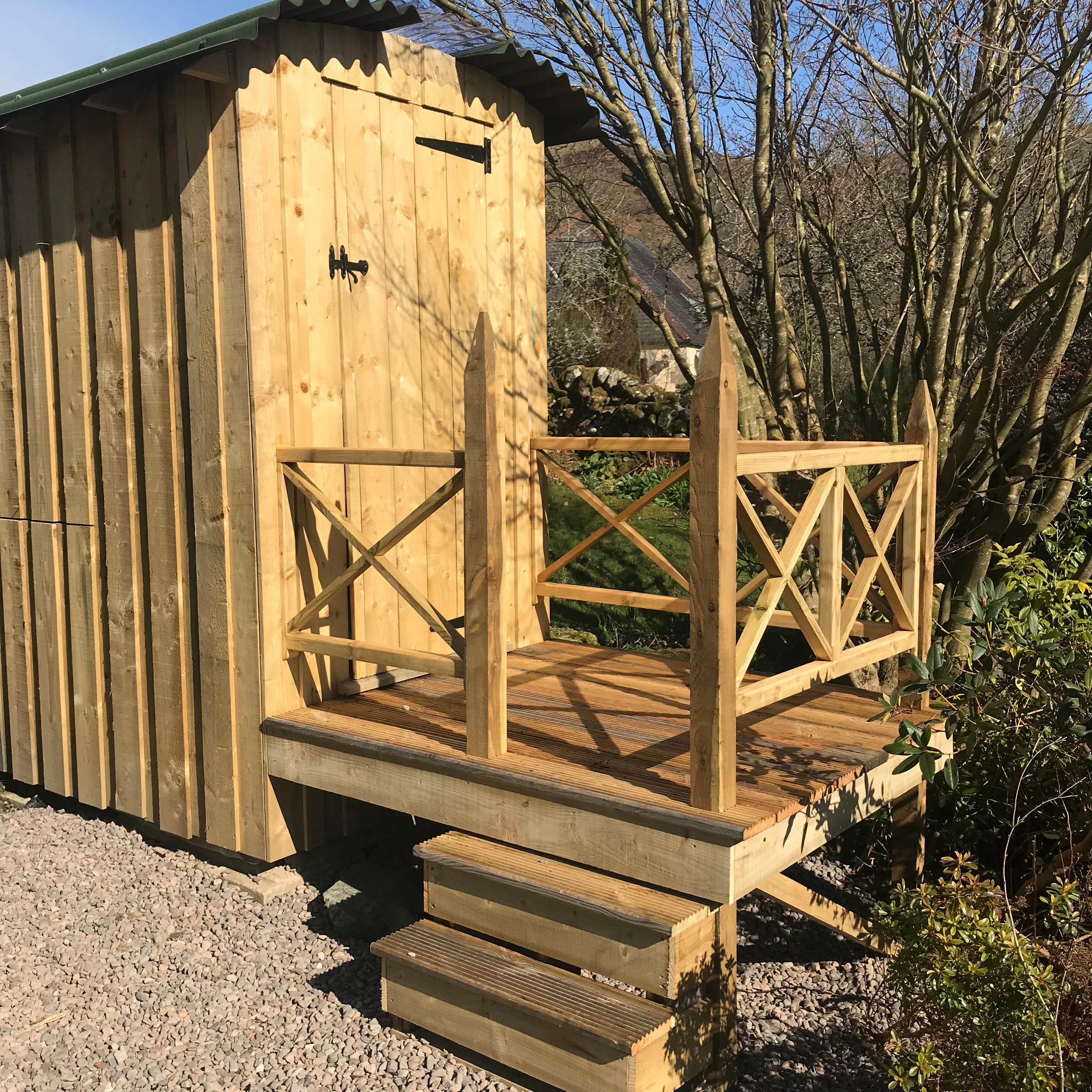
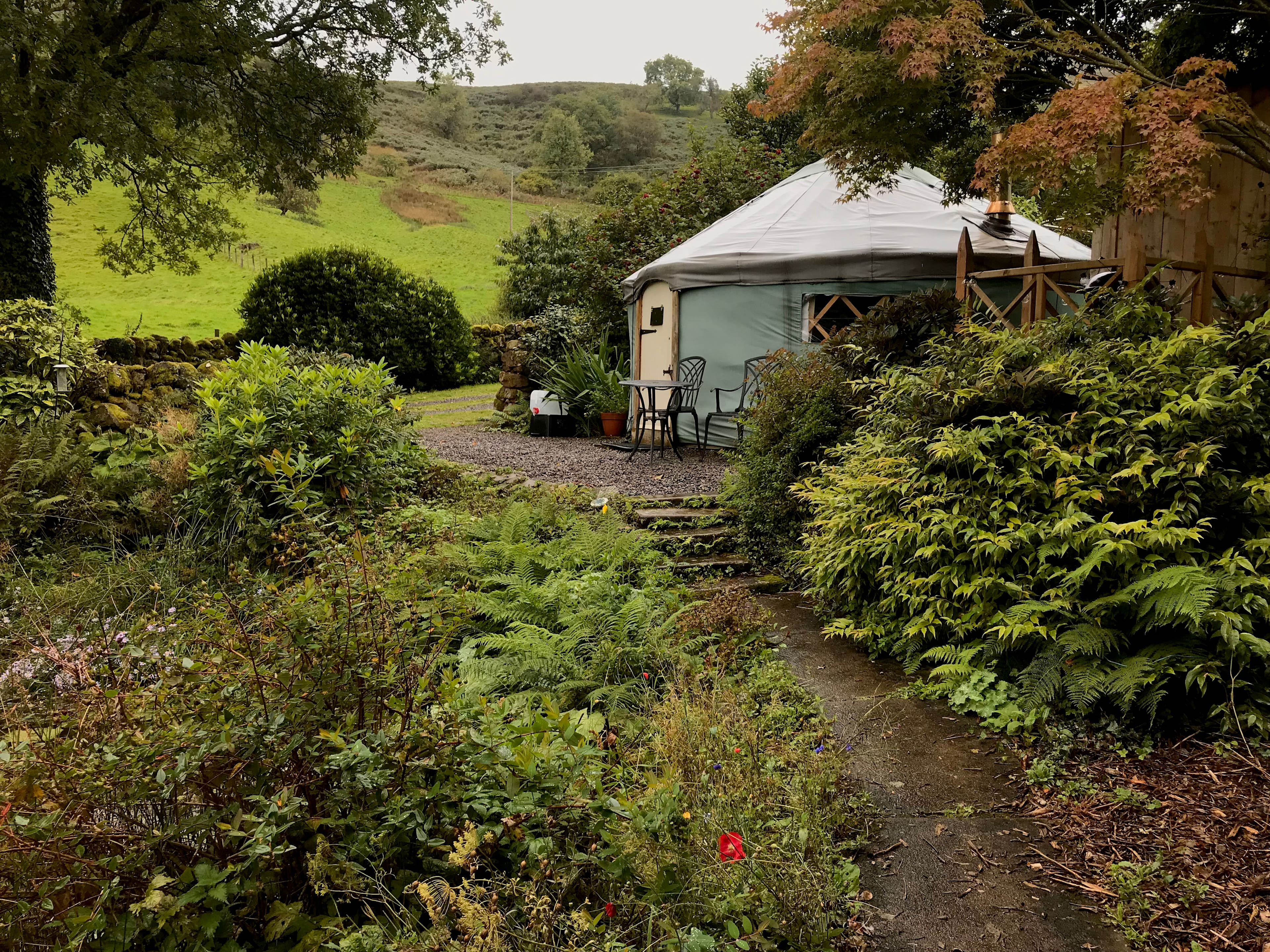
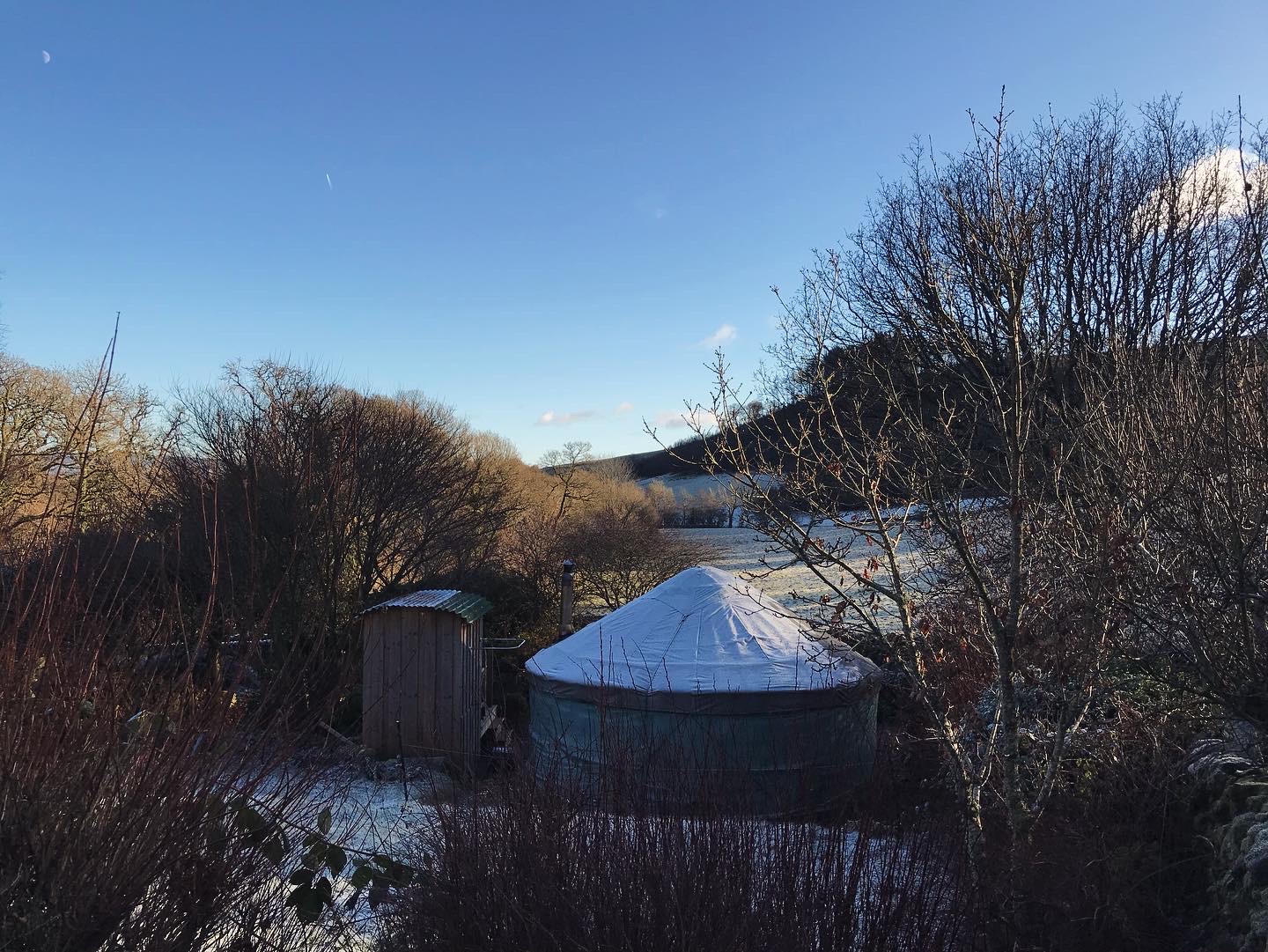
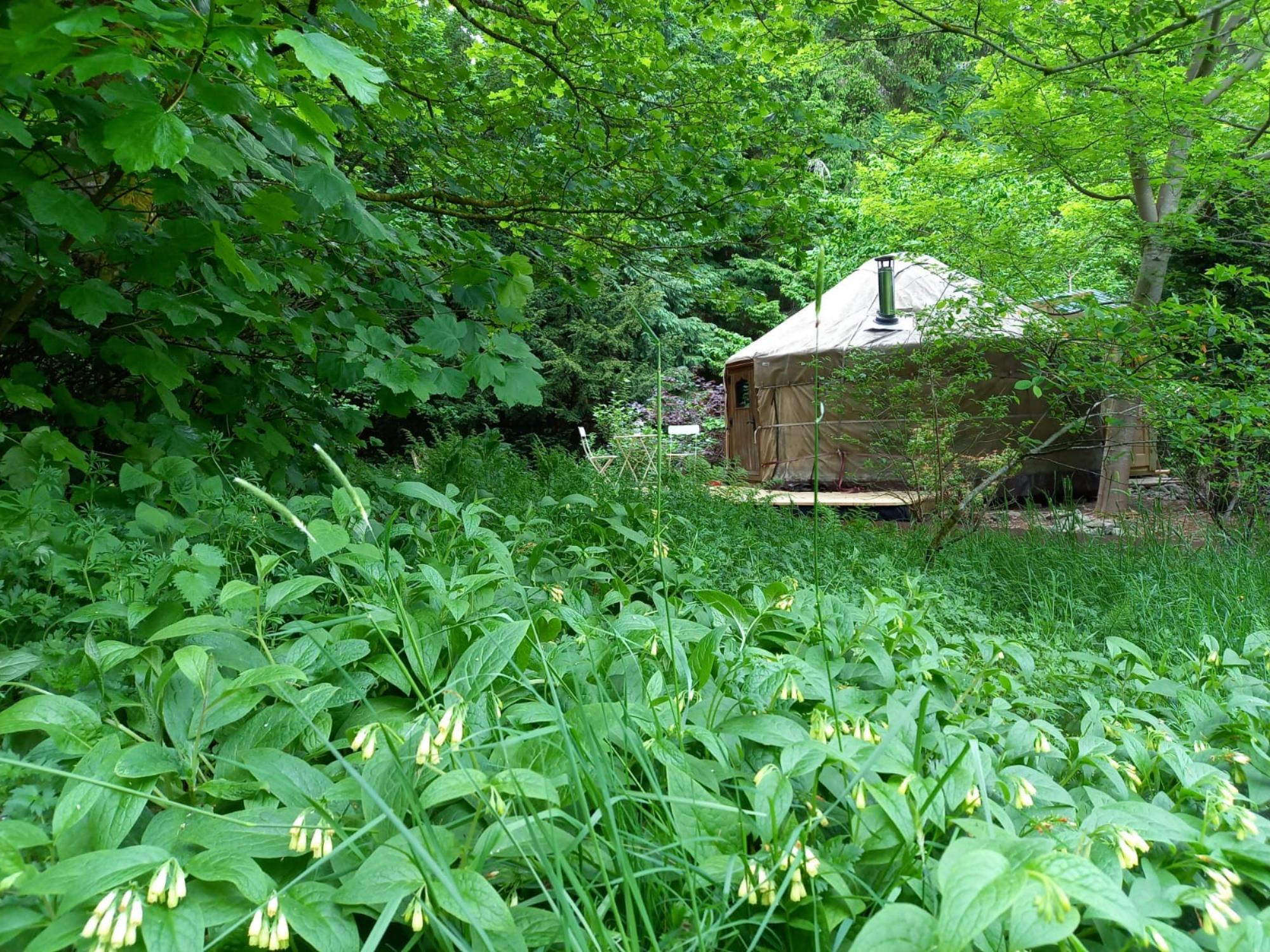
20. Garden Yurt in a hidden glen
100%
(3)
England · 1 unit
A cosy, romantic getaway. Unwind and reconnect, surrounded by nature and amazing dark skies. The spacious, well-equipped yurt is tucked away in a large private home garden in a beautiful glen, with Scaur Water just over the road. The Yurt at Craignee is a cosy, off-grid retreat, with wood burner and garden area, surrounded by peace and wildlife. Enjoy lots of home comforts with an extra dash of adventure!
#bbcwildlife60places winner
STL Number: DG01053P
Showers
Campfires
Wifi
from
£100
/ night
96% (157) • 208 campsites
Top-rated glamping sites in Caerlaverock National Nature Reserve
Harebeck Holidays
1. Harebeck Holidays
86%
(25)
Wasdale, England · 8 units · Motorhomes, Glamping
Nestled between the Western Lake District Fells and the Irish Sea coast this site is situated on a working dairy and sheep farm. Farm tours can be arranged on arrival. A play hut with outdoor games, drying room with communal fridge and freezer (some units have their own small fridge). Natural hedges surround the site. Four fruit trees near the shower block
Half a mile to Gosforth village with Shop, Bakery, Cafe, 4 Pubs providing food and an Italian restaurant. Gosforth and Seascale villages have play parks.
Muncaster Castle, Ravenglass and Eskdale Railway, Wasdale, Scafell Pike and Sandy Beaches with Cafes selling local ice cream are nearby with most Lake District attractions within an hours drive and Edinburgh a three hour drive away.
There are 5 campervan/motorhome pitches, a pod, a modern take on a shepherds hut with underfloor heating, a heated pod and two gypsy caravans with electricity to book. All pitches are on gravel positioned to enjoy views over farmland to Scafell Pike and other fells, they are surrounded by grassy areas with seating and a picnic table. A wooden play hut has outdoor games and toys inside. Awnings can be added on the 3 larger pitches. Tents can be pitched next to units for an extra £10 per night. Barbeques are allowed on gravel with our Gypsy Caravans having a campfire area. There is a communal fridge and freezer, outdoor drying space. Farm tours can be arranged. Wildlife and farm animals can be seen in the surrounding fields. Fresh vegetables and barbeque packs can be ordered with 24 to 48 hours notice. Grocery deliveries accepted from supermarkets. There is also a holiday cottage on the farm sleeping 6 over two rooms.
Situated midway between the Western Lake District Fells and the Irish Sea Coast makes this site ideal for lower or higher level walks. Sandy beaches at Seascale and St Bees have cafes selling locally made ice cream alongside play areas to keep children happy. Scafell England's highest mountain is close by as are a number of Wainwrights.
Nearby is Muncaster Castle and Gardens with its Hawk and Owl Centre, also Ravenglass (a Roman port with remains of a bath house), you can ride up the Eskdale Valley on the Ravenglass & Eskdale Railway (Laal Ratty). Perhaps take a stroll to Stanley Ghyll waterfall. They have a cafe at both terminuses with a museum in Ravenglass where nearby you can sample Ravenglass Ice Cream. Wasdale and Ennerdale are close by both valleys having cafes and pubs.
Pets
Showers
Potable water
from
£25
/ night
Camping at Cardewlees
2. Camping at Cardewlees
99%
(47)
Carlisle, England · 37 units · Tents, Motorhomes, Glamping
A welcoming, family-run farm campsite between the Lake District and Hadrian's Wall
Pets
Showers
Campfires
from
£16
/ night
Ewe Love Camping Pods
3. Ewe Love Camping Pods
98%
(108)
Penrith, England · 3 units
Modern Lake District glamping pods among the trees, with exceptional views of Blencathra
Pets
Showers
Potable water
from
£90
/ night
Herdie Hideaway
4. Herdie Hideaway
Scotland · 1 unit
Herdie hideaway is run by Charlotte and Alex and is nestled next to rolling hills of the the Lake District overlooking the Solway Firth, our shepherd’s hut offers a haven of tranquility.
Lush woodlands surround the property, teeming with wildlife, creating a symphony of sights and sounds for nature enthusiasts. Here, on a working farm, you’ll find a quiet escape unlike any other.
We hope you enjoy your stay in this beautiful part of the world which we hope you are able to switch off, unwind and have a relaxing time in this lovely secluded area.
Pets
Showers
Campfires
from
£120
/ night
Wanderlusts Gypsy Caravans
5. Wanderlusts Gypsy Caravans
Melmerby, England · 3 units
Travelling from site to site in a bow-top gypsy caravan, through Cumbria's stunning scenery
Pets
Campfires
Hot Tub
from
£95
/ night
King Garth
6. King Garth
100%
(9)
Carlisle, England · 1 unit
Built in 1733, King Garth is also known as The Old Customs House, reflecting its role in these fraught times of smuggling. Its strategic position on the banks of The Eden served as the perfect lookout for a bailiff employed by Carlisle Corporation to protect the very important salmon fishery. The plaques on the building which commemorate the visits by Mayors date back to the 1700s. These visits no doubt involved indulgent banquets centring around freshly caught salmon
I grew up on the opposite side of the river. On family walks along the Eden I was always fascinated by the house on the other side sited in such an amazing position.
In 2010, when I returned to Cumbria I was amazed to hear that this house was for sale. It was a ruin and everyone told me I was mad..... I probably was a little! But I soon realised that I wasn’t alone in my love of this house, everyone I met from the surrounding villages had a tale to tell about this iconic place. King Garth is for sharing - with locals, (we have an annual barbecue), with wildlife and with people like you.
The aim when renovating King Garth was to celebrate and embrace its history. King Garth is off grid and has no running water. It is furnished in a style to reflect its history. It isn’t everyone’s ‘cup of tea’: you have to drive a mile down a muddy lane, there is no hot shower, no electric lighting, and a compost toilet. BUT we offer beautiful evenings of candle light, log burner, hot tub under the stars and bathing in the river.
My priority with King Garth and the land attached was to manage in a way to protect the abundant wildlife. There are also alpacas who you can look after during your stay.
You will be astounded by the din the birds make at dawn and dusk!
Inside the house there is an owl box where one summer a pair of barn owls successfully raised chicks. Since then a kestrel frequents the box and has twice laid there.
This part of the Eden is tidal so both estuarine and river species co exist. Kingfishers and otters are often spotted And even the occasional seal! Kinggarth comes with fishing rights and if you want to fish this can be arranged with the host.
The bird feeders are frequented by tree sparrows, yellow hammers, wood peckers, nut hatches and in winter red poll.
Pets
Campfires
Hot Tub
from
£80
/ night
Otter Moss Accommodation
7. Otter Moss Accommodation
100%
(8)
Brampton, England · 4 units
Otter Moss Accommodation offers a variety of upscale camping options suitable for couples, families, and groups. Nestled within a picturesque 12-acre former farm, the majority of the site surrounds a spacious meadow. Additionally, the site boasts a charming small lake featuring three islands and a rowing boat for leisurely water activities.
Situated at the northern edge of the stunning Eden Valley, guests can enjoy sweeping views of the Cumbrian Fells, with visibility extending to the Solway Firth and the Lake District on clear days. The Lake District is a convenient 40-minute drive away, while various sections of Hadrian's Wall are even closer, reachable within a 15-minute drive. Carlisle and the M6 motorway to Scotland are both just 20 minutes away, with the picturesque market town of Brampton also within a 15-minute drive and offering its own attractions.
Local pubs are plentiful in the area, with a diverse selection available within a five-mile radius.
Accommodation units at Otter Moss come equipped with heating, kitchen utensils, and stoves, ensuring guests' comfort and convenience. Each unit also includes firepits or barbecues, as well as bedding and towels for a hassle-free stay.
Pets
Showers
Campfires
from
£85
/ night
Cleghorn Farm
8. Cleghorn Farm
100%
(11)
Lanark, Scotland · 7 units · Tents, Glamping
*PLEASE NOTE THE CABIN IS AVAILABLE FOR MIDWEEK AND WEEKEND BOOKINGS. CAMPING WILL RETURN IN SPRING 2026.*
Cleghorn Farm is a mixed farm just north east of the market town of Lanark. Comprised of 250 acres of fields and woodland and bounded to the south by Mouse Water, it is a beautiful spot to get away from it all without having to leave it all behind if you don't want to. The fields are grazed and cultivated but the woodlands are much as they were at the end of the last ice age with spectacular walks along Cleghorn Glen with the chance to see badgers, bats, deer and all manner of birds among the towering pine and beech trees.
The Mouse Water (pronounced moose) tumbles down along the edge of the farm and has some glorious pools for swimming, shallows for paddling and some spectacular water falls before it joins the River Clyde.
Pets
Campfires
Potable water
from
£10
/ night
Cairn Meadow Pods
9. Cairn Meadow Pods
99%
(43)
Cumwhitton, England · 3 units
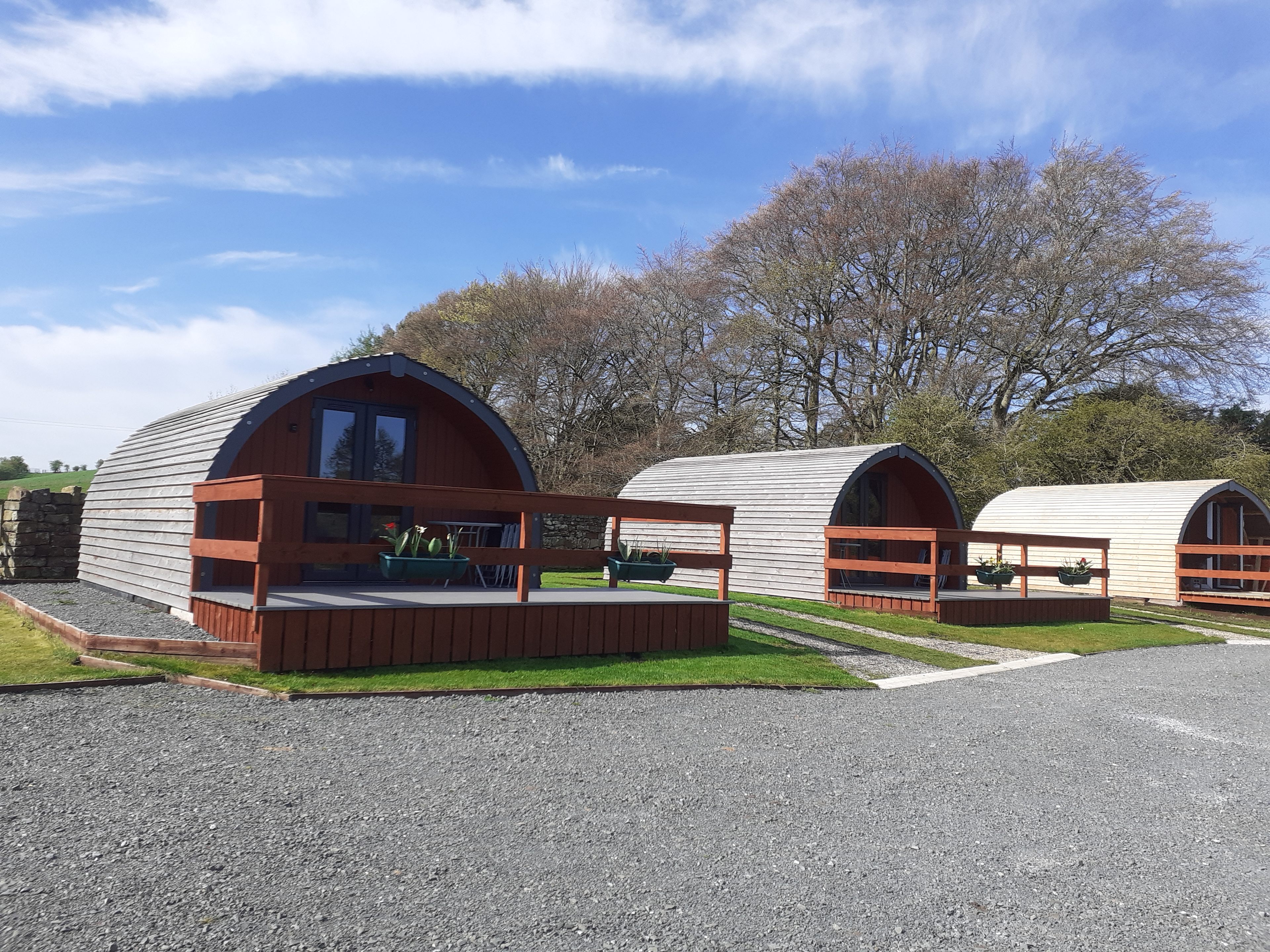
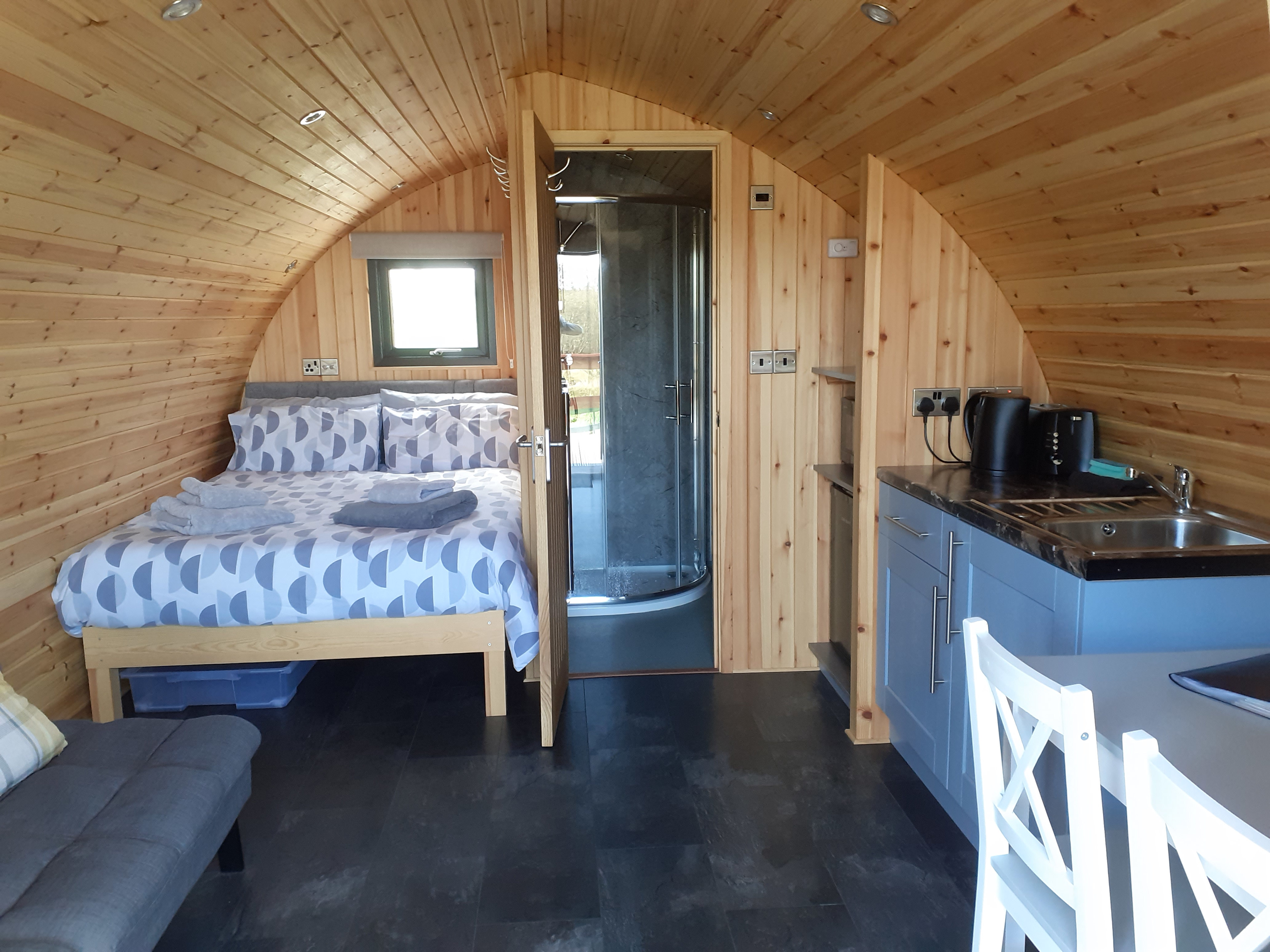
Glamping pods in Cumbria's secluded Eden Valley with views of the Pennines
Pets
Showers
Potable water
from
£98
/ night
Rowan Retreat
10. Rowan Retreat
England · 1 unit
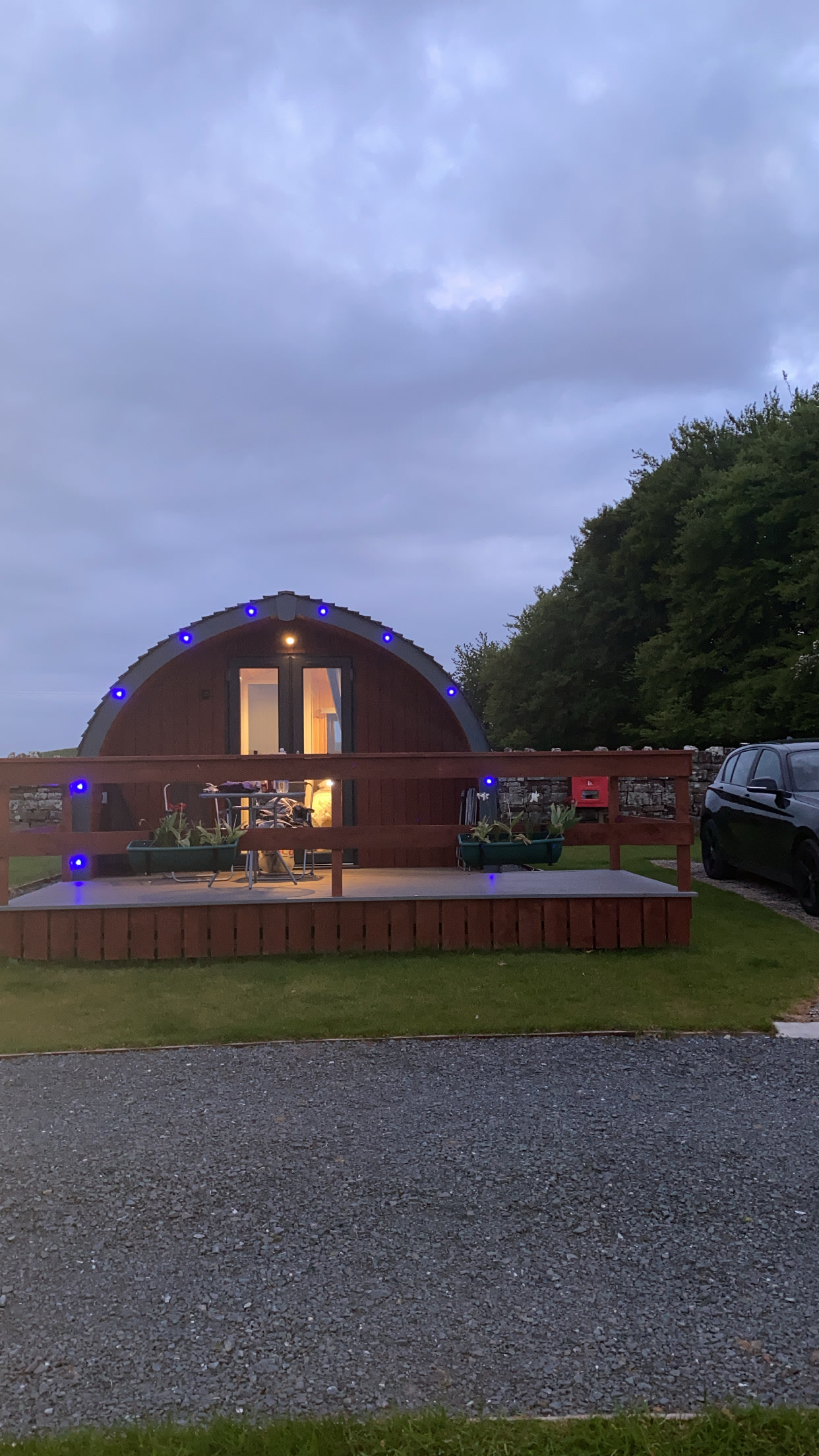
Shepherd's hut in idylic location with extensive views under dark skies,set on its own in a private 5 acre field amidst nature,semi off grid,decking under a canopy,firepit area, centrally located for Lake District,Yorkshire Dales, Northumberland and Scottish borders.
Pets
Showers
Campfires
from
£68
/ night
Hadrian's Wall Country Yurts
11. Hadrian's Wall Country Yurts
100%
(13)
Brampton, England · 2 units
Two yurts with hot tubs in the Cumbrian countryside just a mile away from Hadrian’s Wall
Pets
Showers
Campfires
from
£210
/ night
Inside Out Yurts
12. Inside Out Yurts
100%
(9)
Keswick, England · 3 units
Rustic yurt glamping with a riverside setting, fell views and an enviable Lake District location
Pets
Showers
Potable water
from
£115
/ night
Craigend Farm
13. Craigend Farm
Dumfries, Scotland · 2 units
Smart glamping pods on the rural outskirts of Dumfries
Showers
Wifi
Potable water
from
£115
/ night
Langley Dam Glamping
14. Langley Dam Glamping
England · 3 units
Nestled in the Tyne Valley, on our beef and sheep farm, at the edge of the North Pennines Area of Outstanding Natural Beauty Langley Dam Glamping provides high quality, en-suite accommodation in our unique glamping cabins.
The six ‘Langley Longboat’ cabins are positioned on the bank of Langley Dam Reservoir, providing exceptional views over the 14 acres of water and towards Whitfield moor. Langley Dam itself is a commercial fly fishery and Troutmaster water. Visitors are welcome, and encouraged, to enjoy the fishing experience that the water provides (charges do apply, but residents have discounted fishing fees). We also have rowing boats that can be hired for fishing purposes.
We have created some fantastic 3D showcases of the inside of the cabins. You can use these to get a better feel of how the cabins are laid out. We have created 3 showcases to reflect the 3 types of cabins we have. Humbleton is unique, then The Wonneys which is the same layout as The Rushy Lot, and Wheatleys which is the same as Blackcleugh and Bare Bones.
Pets
Showers
Campfires
from
£167
/ night
Renison's Farm
15. Renison's Farm
100%
(1)
Penrith, England · 1 unit
Off-grid wagon glamping on a farm with views of Lake District fells
Pets
Showers
Campfires
from
£90
/ night
Garrison Shepherd's Huts
16. Garrison Shepherd's Huts
100%
(2)
Bowness On Solway, England · 4 units
Shepherd’s hut glamping near Hadrian’s Wall and the Solway Firth.
Pets
Showers
Hot Tub
from
£100
/ night
Stone Raise Bells
17. Stone Raise Bells
92%
(6)
Carlisle, England · 3 units
Off-grid bell tents on a working farm in Cumbria’s Eden Valley
Pets
Showers
Campfires
from
£65
/ night
Raiders Rest
18. Raiders Rest
Scotland · 1 unit
Private farm glamping pod on the banks of the Urr Water, Dumfries & Galloway. One of Scotland's darkest sky locations — the Milky Way is visible from your garden. Proper bed, full kitchen, shower, fast wifi, and a fenced private garden. Farm-fresh eggs available. Village pub 3 minutes on foot. Castle Douglas 10 mins, Galloway Forest Park 20 mins. The real escape you've been putting off.
A warm, well-equipped glamping pod on a working farm — not a field with a mattress. Sleeps 2. Full kitchen, shower room, private fenced garden with open paddock views, fast wifi, and TV. Free-range Orpington chickens next door and dark skies above. Quiet, completely private, and genuinely comfortable. The village pub is a 3-minute walk — but you probably won't want to leave the garden.
Showers
Wifi
Potable water
from
£80
/ night
Esk Yurt
19. Esk Yurt
100%
(5)
Peebles, Scotland · 1 unit
Adult only yurt glamping in the Scottish Borders with exceptional views, hiking trails, and wild swimming
Showers
Potable water
from
£130
/ night
Garden Yurt in a hidden glen
20. Garden Yurt in a hidden glen
100%
(3)
England · 1 unit
A cosy, romantic getaway. Unwind and reconnect, surrounded by nature and amazing dark skies. The spacious, well-equipped yurt is tucked away in a large private home garden in a beautiful glen, with Scaur Water just over the road. The Yurt at Craignee is a cosy, off-grid retreat, with wood burner and garden area, surrounded by peace and wildlife. Enjoy lots of home comforts with an extra dash of adventure!
#bbcwildlife60places winner
STL Number: DG01053P
Showers
Campfires
Wifi
from
£100
/ night
Recent reviews from the Hipcamp community
J
Joanna
2 weeks ago
With kids
We (2 adults and a 13 and 10 year old) enjoyed a two night stay in the pod. Lots provided with towels, bath mat, fridge and tea towels, washing up liquid. We asked for a pack for the fire pit which was waiting for us on the decking (I did however forget to pack matches so remember those!)
The sofa bed was quite small so I think it is better suited to three people at most depending on the age of the children.
We had a walk to the local pub but other than that spent time at the pod with the fire pit!
See more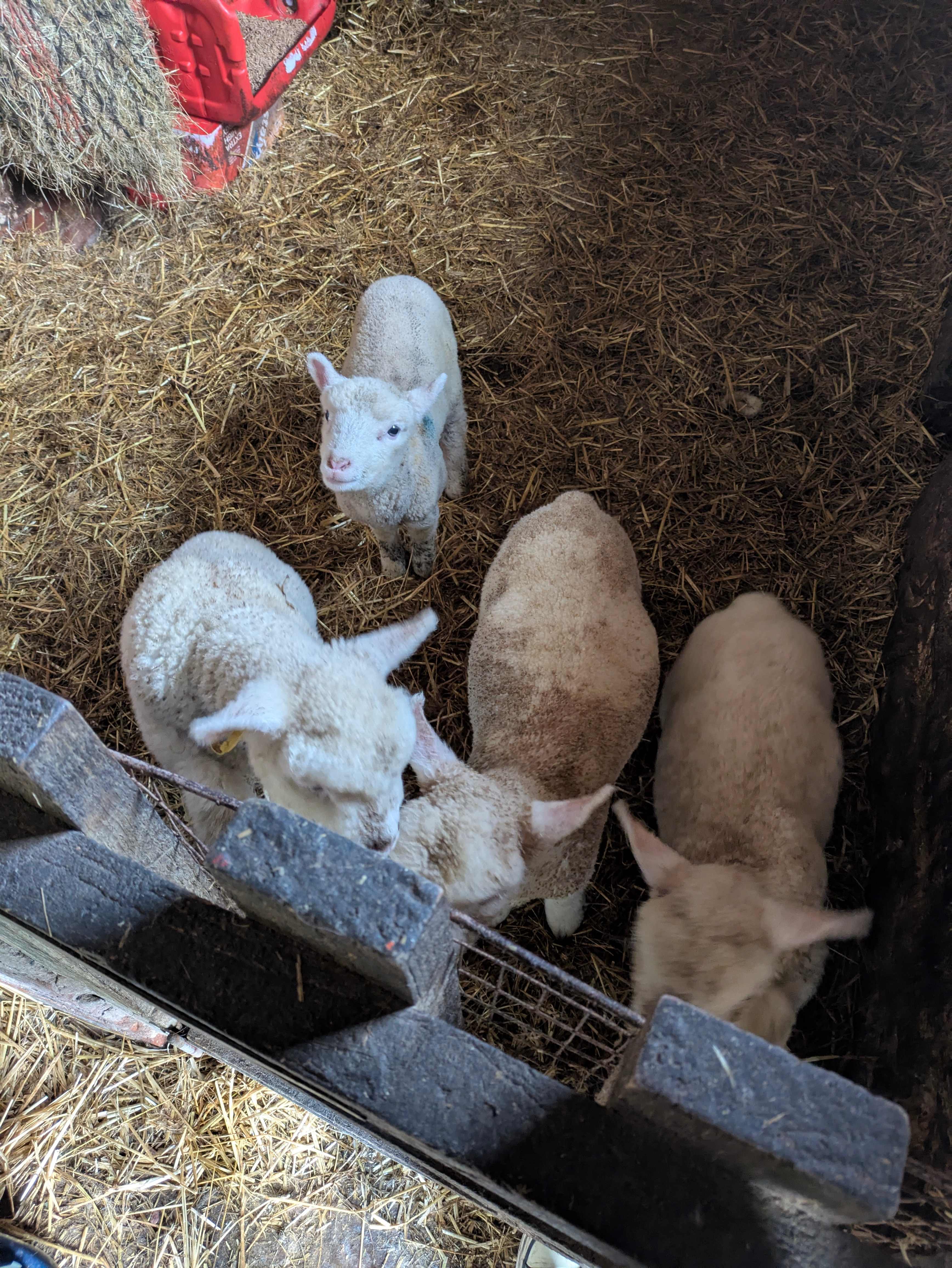
R
Rowan
3 weeks ago
4 nights at Harebeck Holidays
The view was amazing and a cute little spot close to a verity of towns as well as walks. My car had issues with the exhaust box and Cathryn was able to help out by calling a local person to have a look at it which was very helpful and made sure we had everything we needed for the stay. There's cute farm cats too!
See more
A
Andrew
November 2025
2 nights at Cleghorn Farm
Friendly and welcoming environment! Nice place if you’re needing to get off the grid a bit.
See more
E
Ellen
October 2025
Group trip
We absolutely loved our stay at King Garth! It is located in such a tranquil location beside the river and away from other houses, but with alpacas for company! The hot tub was perfect to relax in and we enjoyed a cosy, candlelit evening inside by the fire afterwards! It was fascinating to read about the history of the building too! Will definitely be back :)
See more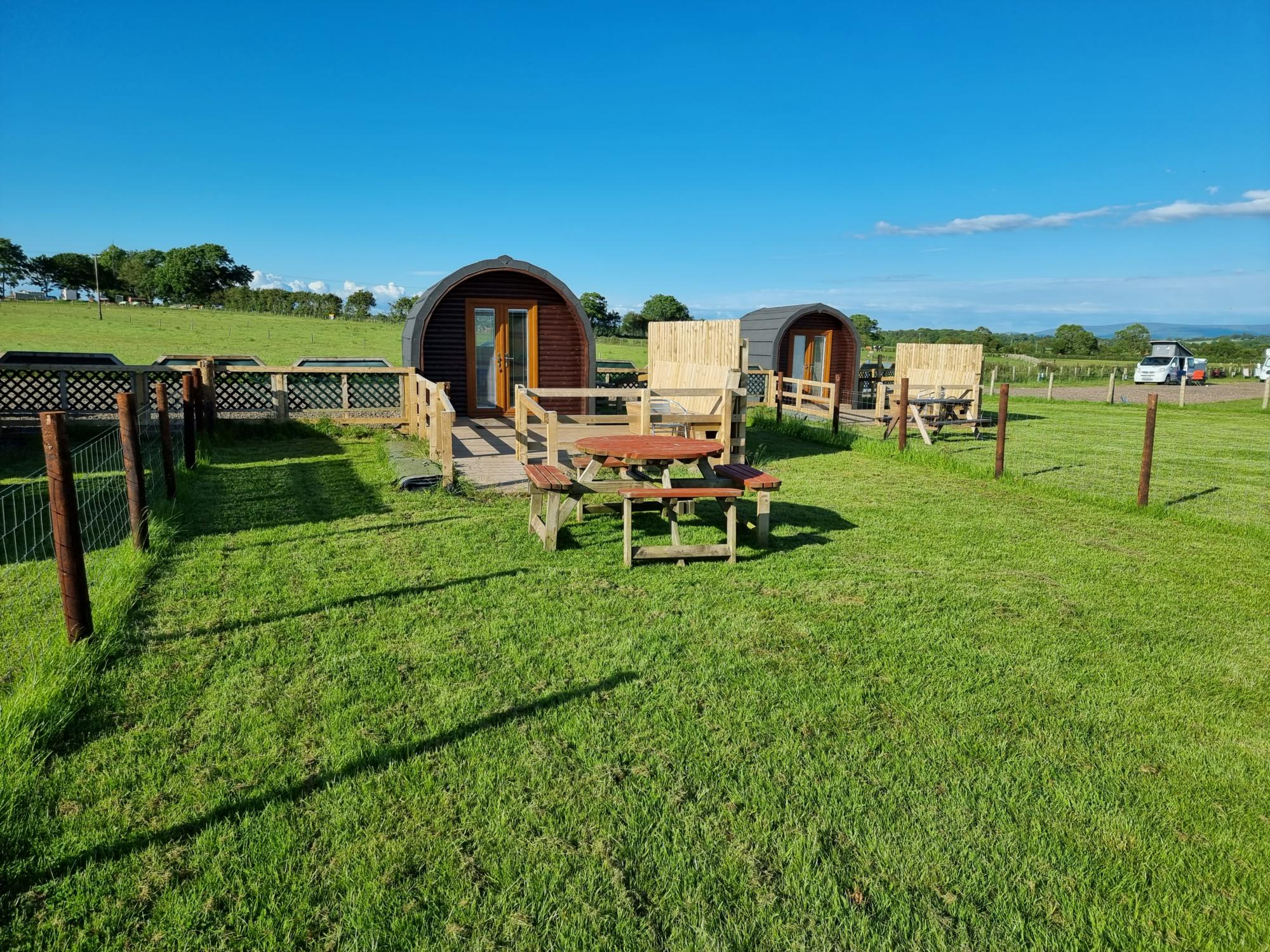
V
Virginia
October 2025
With pets
Lovely location, beautiful views. Comfortable pod and great with enclosed garden for the dog. Good facilities too.
See more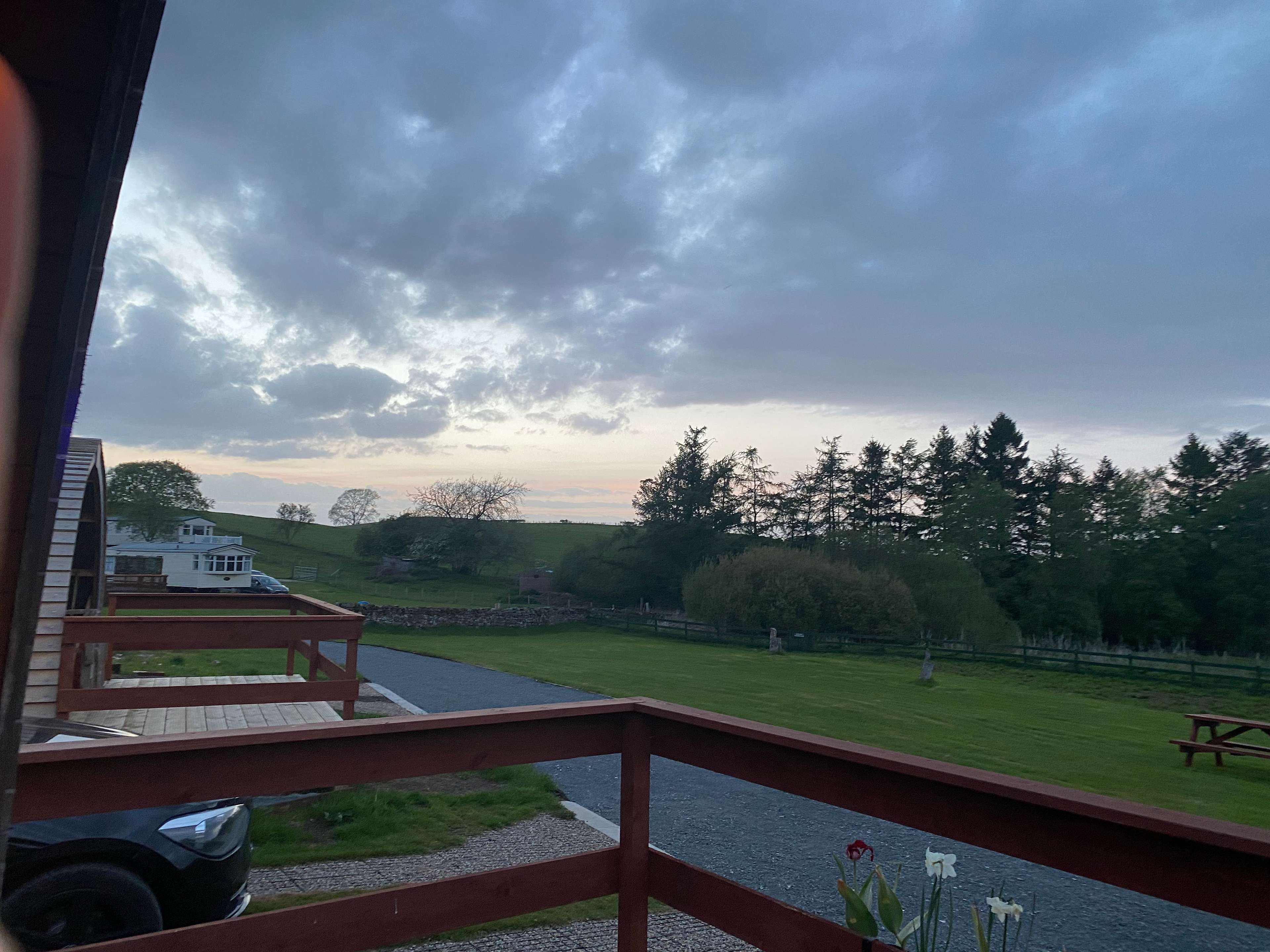
M
Mandy
September 2025
With pets
Loved our first pod experience. Very warm and cozy. Facilities were great! Directions were a little confusing at the start as the sat-nav took us to the house a little distance up the road but once we knew our place it was absolutely fine.
Would stay again and will be recommending to family & friends.
See more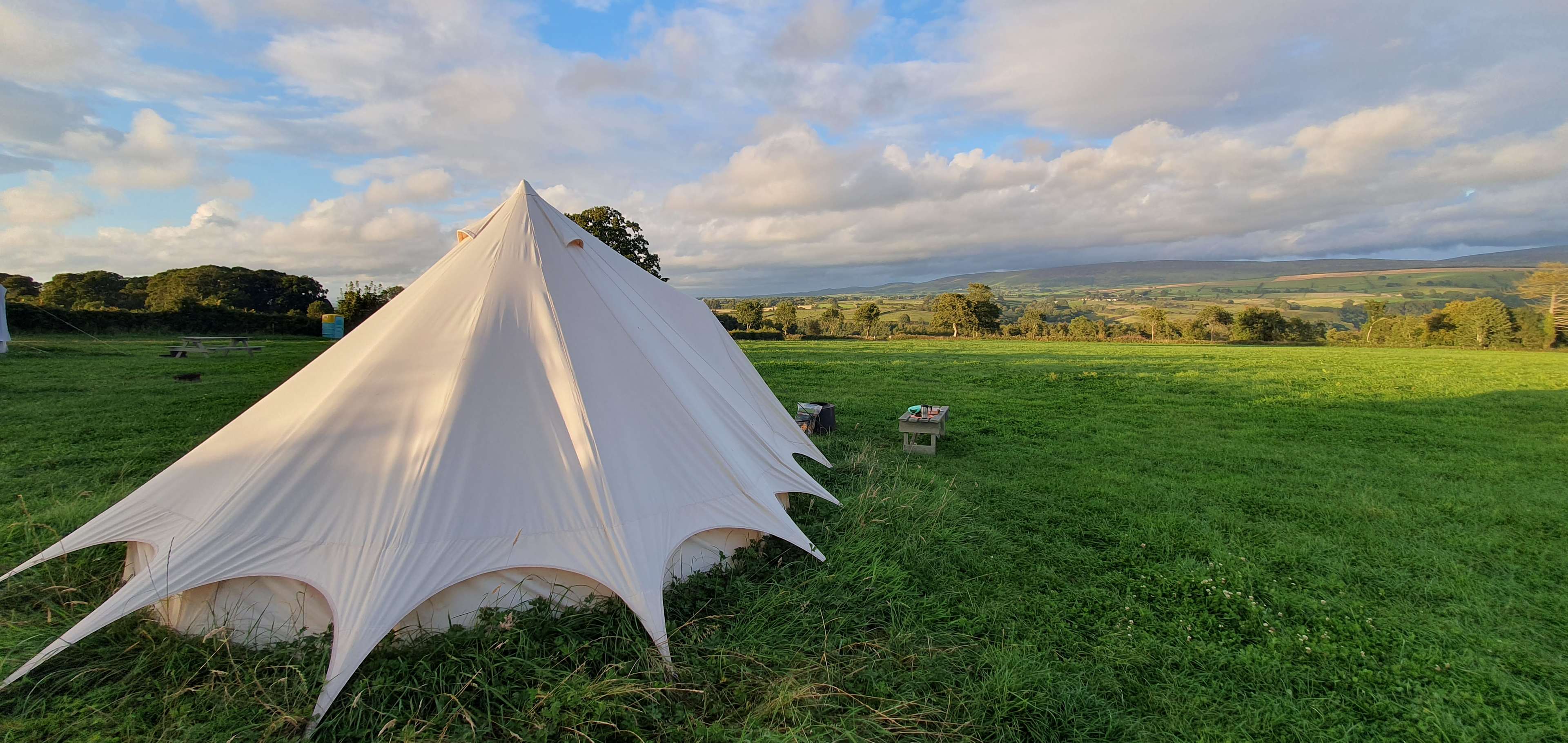
E
EngineerMe
August 2025
With kids
Fantastic welcoming experience for adults and kids. Really good communication, great view and super quiet. Will be returning shortly! Thankyou John and Emma
See more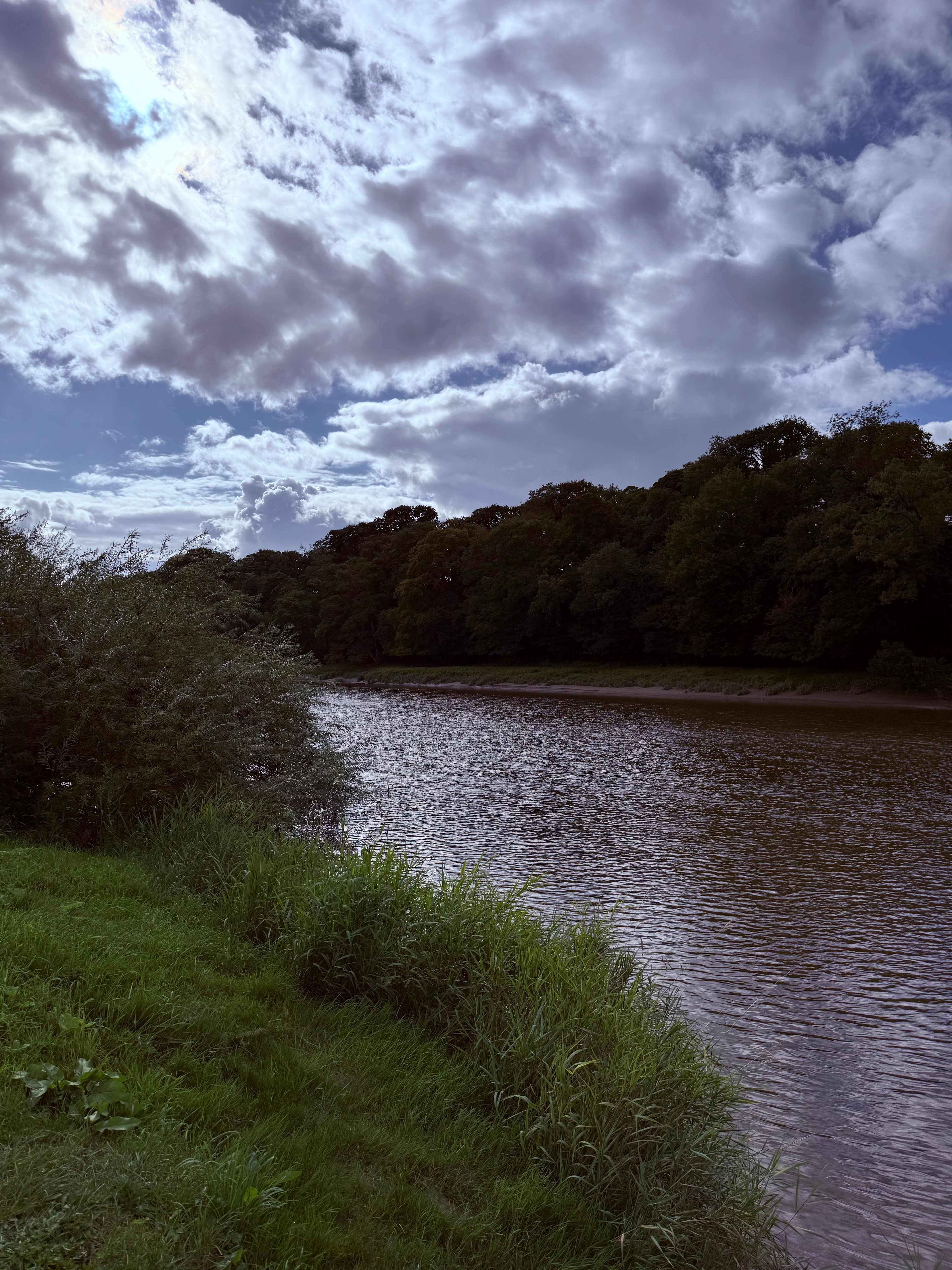
S
Sean
August 2025
With pets
We stayed as a birthday treat for my 12 year old. 2 adults, 4 children and our dog. It was a truly fantastic stay from start to finish. Such a unique house and experience. The kids absolutely loved swimming in the river, looking after the alpacas, the hot tub and going back to basics. It was lovely seeing them enjoying themselves with no distractions of the modern world. Games by candle light and food over the bbq, what more could you ask for. Jane was fantastic and made sure we knew everything that was needed before we arrived. Can’t wait to come back.
See more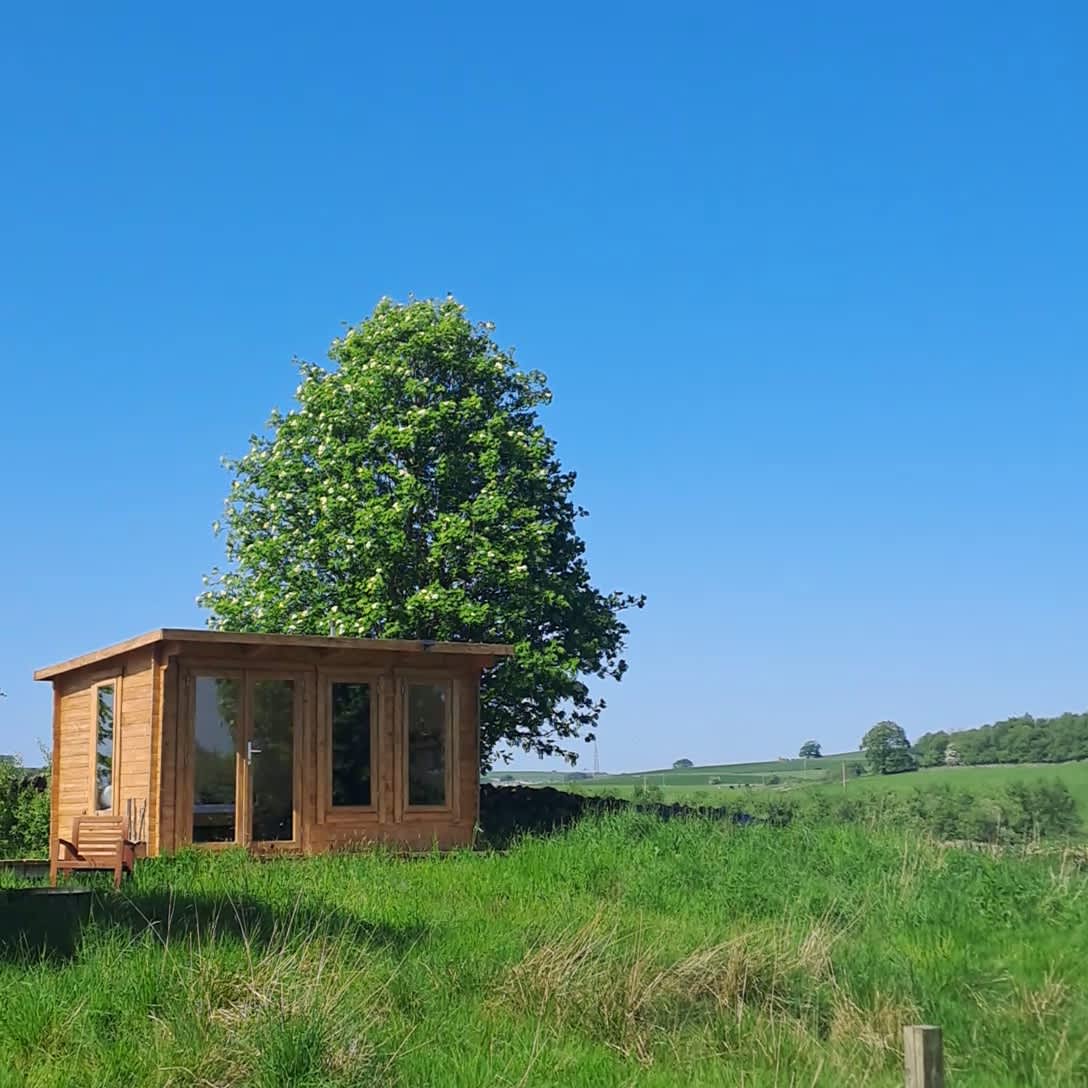
P
Paul
August 2025
Weekend Trip to Cleghorn Farm
The beautiful cabin is in a lovely quiet private space. There are nice views across to the hills particularly when sat by the firepit. Alex and Lauren made us feel very welcome.
See more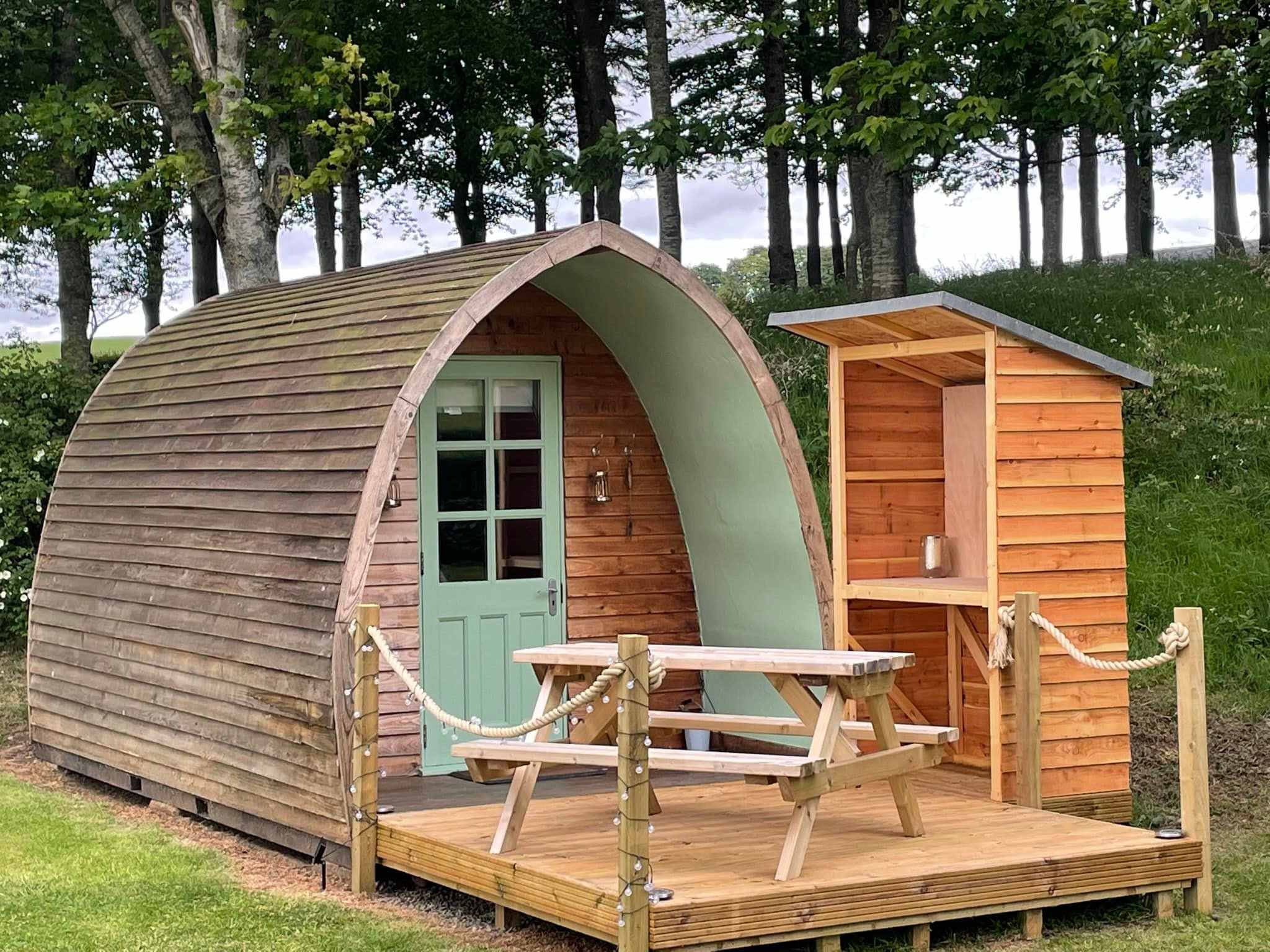
S
Suzy
August 2025
With kids
What a beautiful place! Everything we could possibly need was there for us on arrival; the pod was lovely and cozy and it was great to be able to sit out around the firepit in the evening. Birdsong everywhere and plenty of wildlife to see around the place. Sadly it was a bit wet to try the boat out but will have to come back on a sunnier day!
See more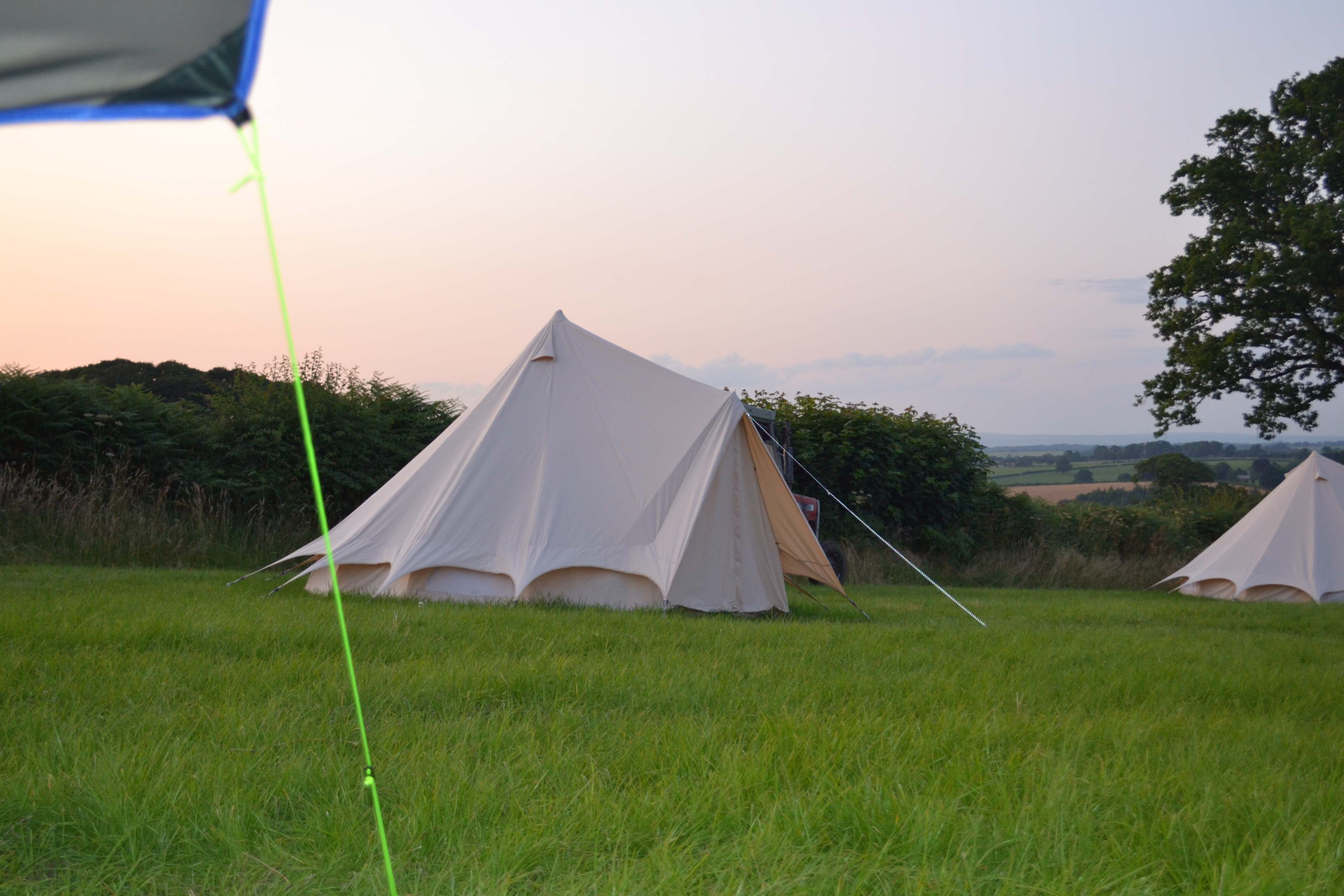
D
Daniel
August 2025
Weekend Trip to Stone Raise Bells
We had a great night stay at this campsite. It was a good setup with a lovely view of the surrounding area. The Bell tents were great and I’d recommend them to anyone looking to stay here!
See moreL
Lucy
August 2025
1 night at King Garth
A truly unique stay in a beautiful location. The lane was a little challenging in my picanto but we managed it and was well worth the trip! So much provided in terms of wood, charcoal, crockery candles! Would definitely stay again :)
See more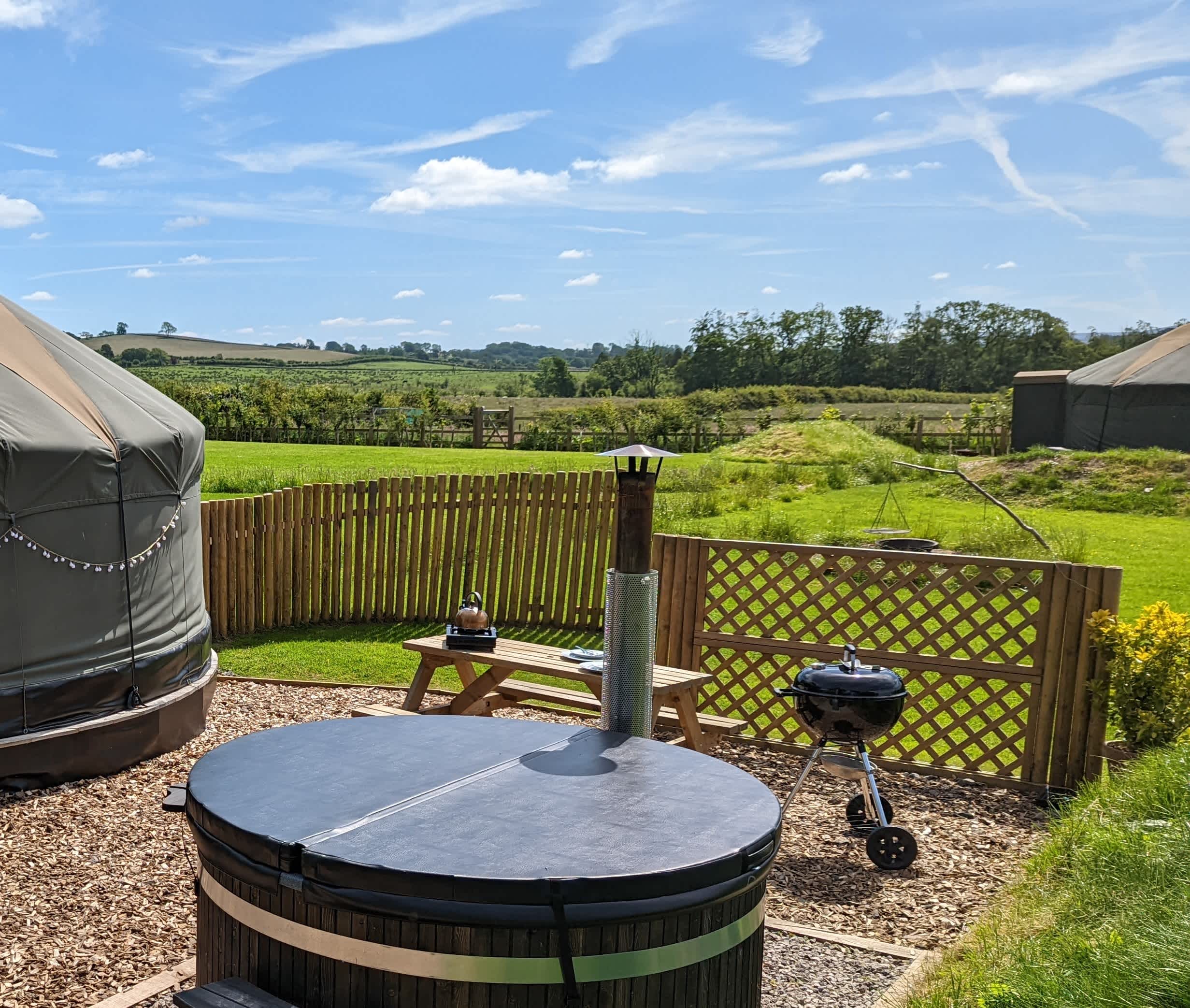
L
Louise
August 2025
With kids
Absolutely everything about the site was immaculate and so carefully thought out. Beautiful yurts, beautiful surroundings and the most amazing glamping trip.
See more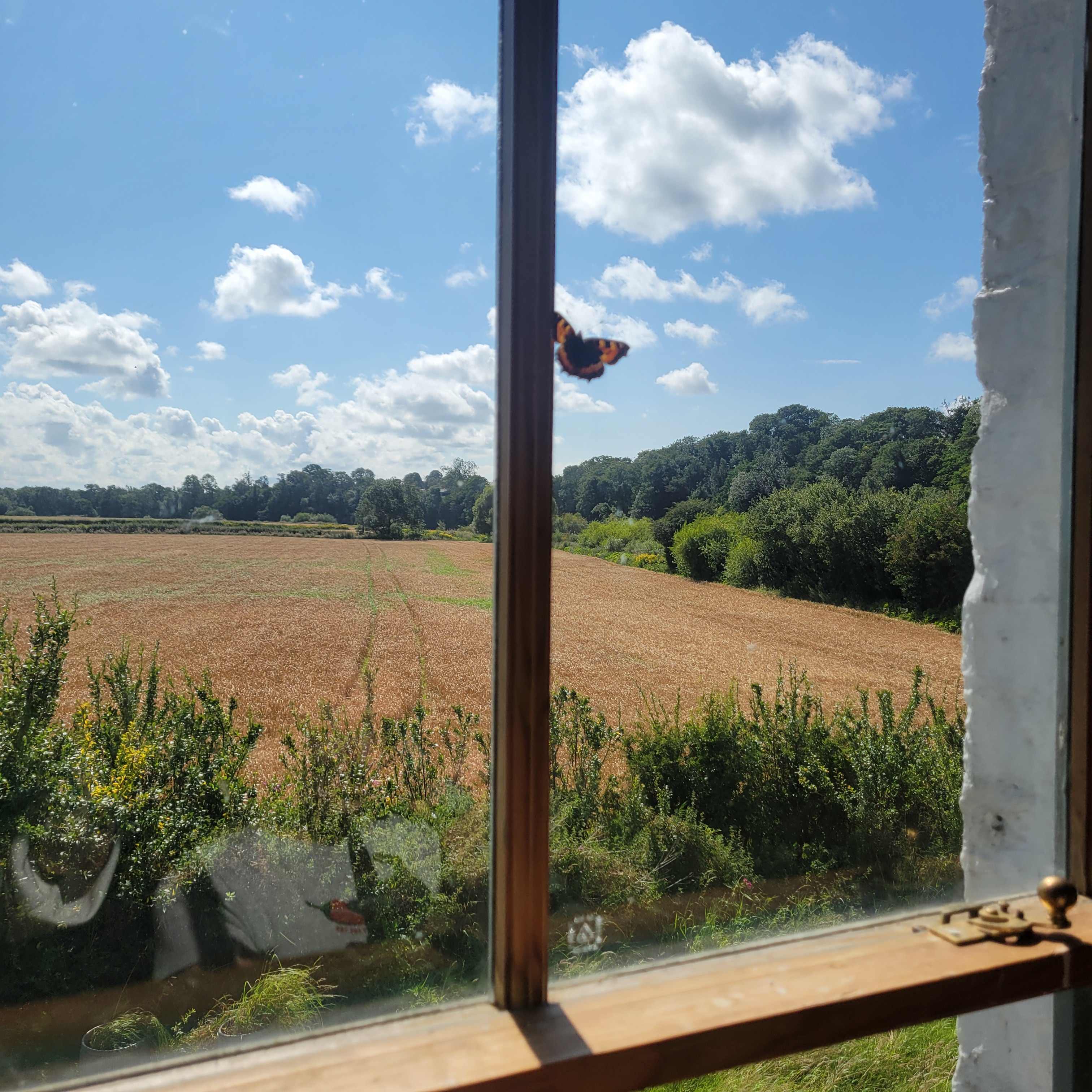
K
Kirsten
August 2025
2 nights at King Garth
We loved staying at the beautiful King Garth, the hot tub was perfect after getting the fire going and sitting in candle light, in front of the fire is the most comforting feeling in the world. A very quiet and peaceful sight with gorgeous views and riverside walks with a pub about 30 mins walk away. We did get lost on the way to the cottage so make sure to follow the map to cargo village and not the middle of a field on the other side of the river 🤣 We even got to feed alpacas and theyre very funny little characters and very friendly. We will be staying again and very recommended
See more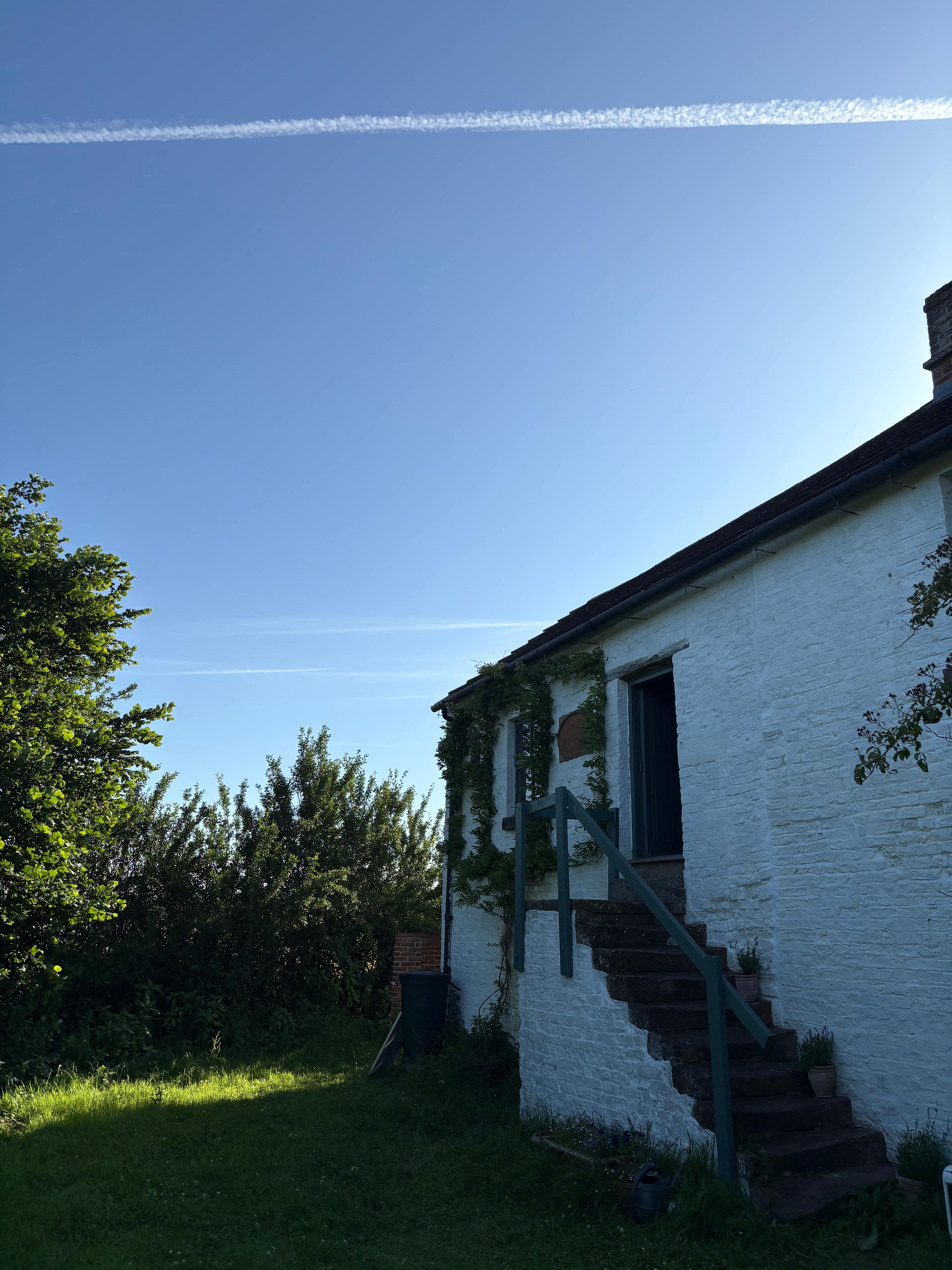
H
Harrison
July 2025
Weekend Trip to King Garth
What an incredible piece of land. The house holds so much history and retains so much of the original charm. The privacy, quietness, and abundant nature was incredibly therapeutic and relaxing. Jane was great at communicating and we had no issues with anything.
See more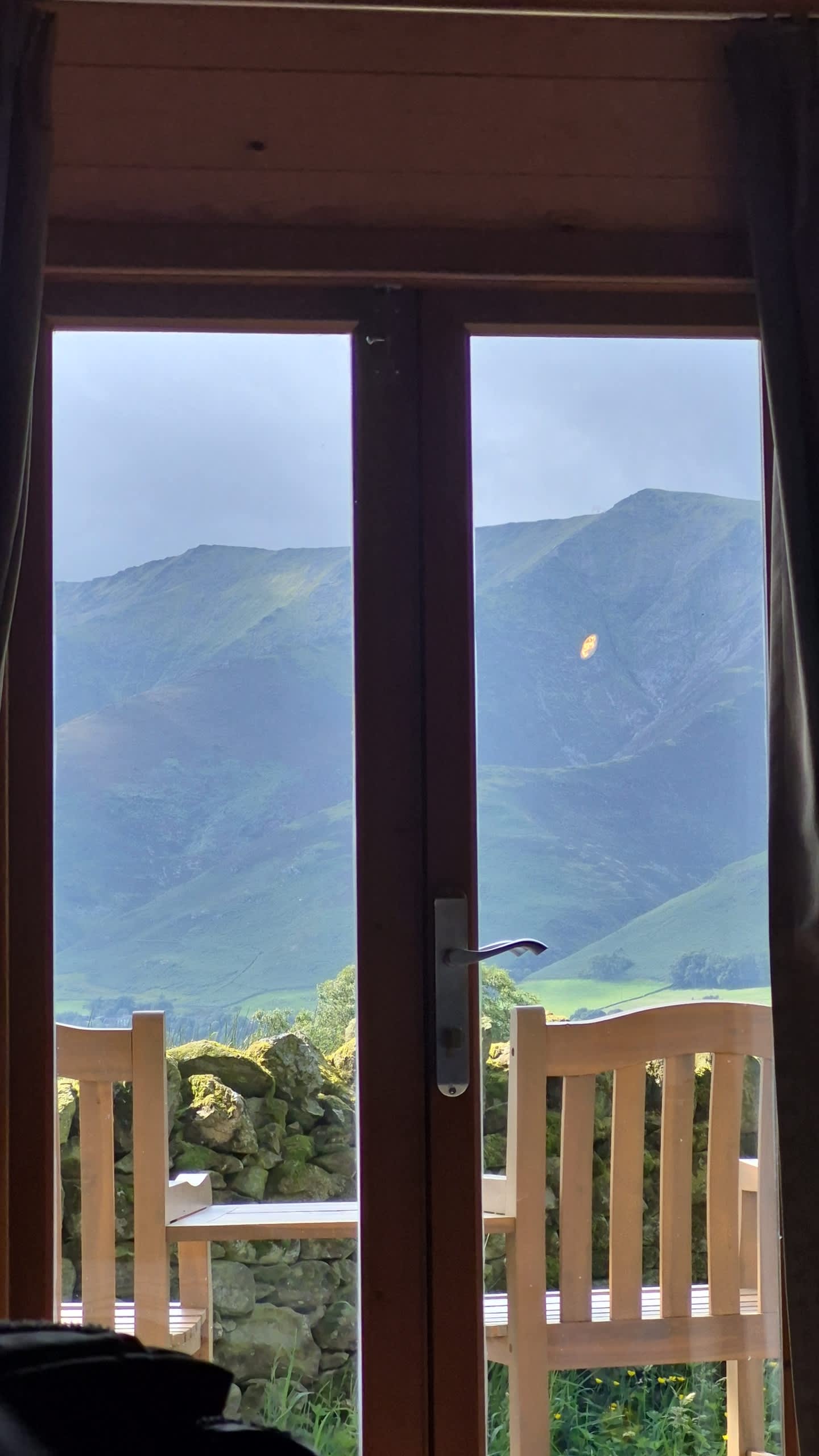
S
Saskia
July 2025
3 nights at Ewe Love Camping Pods
We had a wonderful little getaway here, exactly what we needed nice and quiet and surrounded by nature, the pod was clean and cosy and provided everything you need for a stay. The bbq was really nice and worked well. Can was really wonderful and helpful especially with a little mishap we had. 10/10 I would recommend going here and we will definitely be back!
See more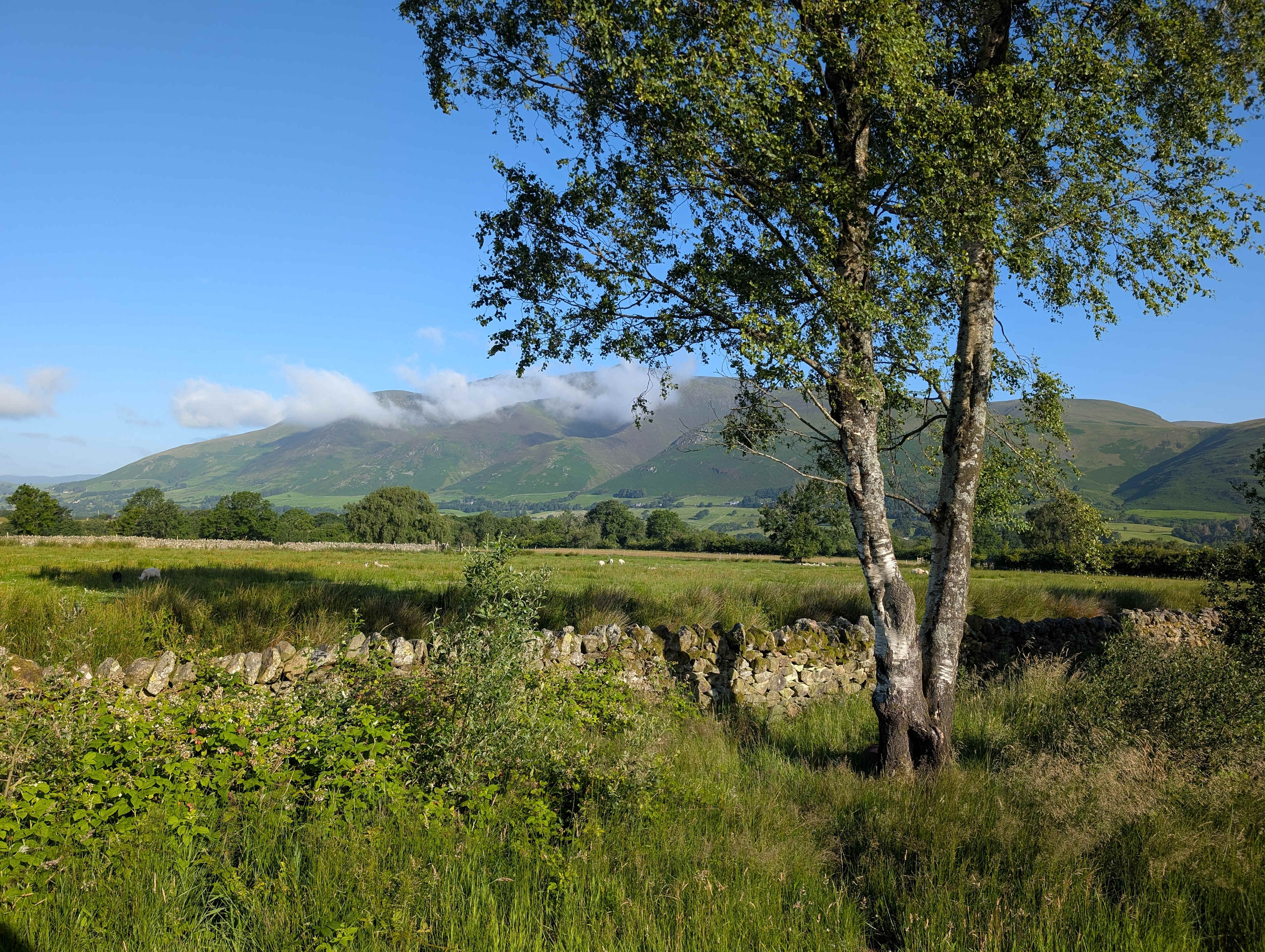
Nicholas
July 2025
4 nights at Ewe Love Camping Pods
Another brilliant stay. Can't fault it. Will be returning.
See moreL
Lucy
June 2025
Weekend Trip to King Garth
Absolutely beautiful place to stay. Had everything we needed and sitting by candlelight was lovely
See moreJ
Jon
June 2025
Weekend Trip to Hadrian's Wall Country Yurts
Caroline was fantastic! She made the check-in and check out so easy and ensured our comfort throughout, and the yurt and its facilities were perfect! This place is a gem!
External cooking facilities were great, as was the wood fired hot tub!....perfect for a just needed getaway!
Would certainly stay here again and again!...the yurts décor and cleanliness was exceptional.
Top tip...order the pizza oven...its really worth it.
Thanks again Caroline....
See more
Pridie
June 2025
With pets
This is a very special place. A chance to step back in time and live simply - supper by candlelight, games played beside a roaring fire, dips in the river. We visited when the elder was full in blossom and the willows whispered full-leafed in the wind. Walking along the river edge was like exploring the mangroves in tropical rainforest - a magical experience for kids, dogs and adults alike! We feel like we've just slipped back into history, sat in the window watching the river, we half expected to see boats carrying cargo past to Carlisle...
Go prepared to step back in time and live simply. Everything you need is provided - candles, wood, crockery - there is a woodfired tub that you can heat yourselves, a beautifully simple kitchen set up with a water system that is carefully thought out, and a compost loo.
See more