10 Top Tips on Avoiding Midges, Wasps & Insects While Camping


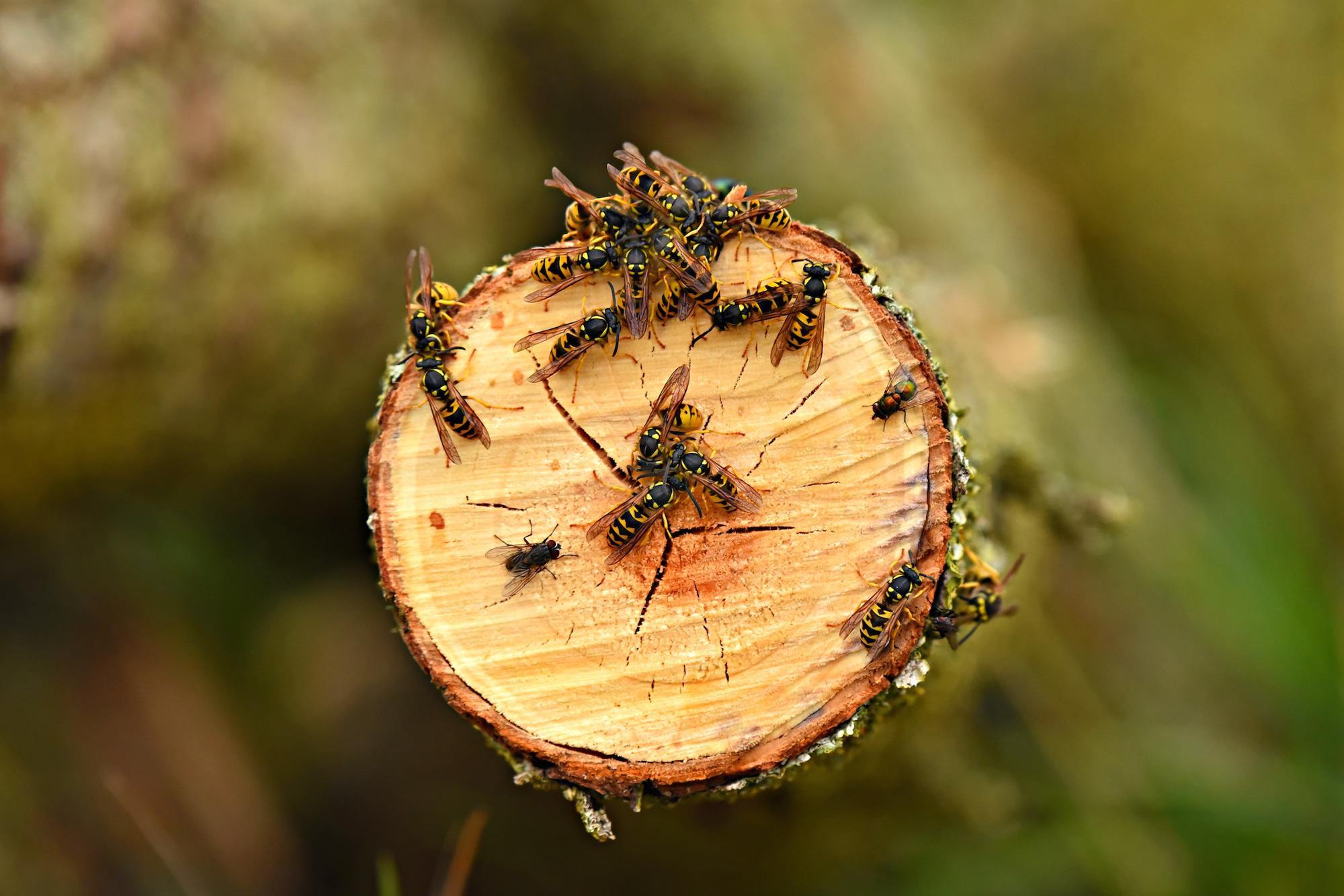
We’ve all been there; trapped in a tent with a bug bothering us. These tiny uninvited guests can have a disproportionately large impact on a camping holiday but there are plenty of ways to deter even the most determined insects. Here are our top tips…
You’ve made that last trip to the campsite loo, zipped up the tent, snuggled in to your sleeping bag and turned off your headtorch. You close your eyes ready for a good night’s sleep – and that’s when the buzzing begins…
We’ve all been there; trapped in a tent with a bug bothering us. You open the tent doors and flap about to usher it out. You wait a moment and there’s silence. So you zip back in and lie back down but as soon as you close your eyes, the buzzing starts again. These tiny uninvited guests can have a disproportionately large impact on a camping trip leaving us to deal with hurried meals, sleepless nights and itchy bites. But there are plenty of ways to deter even the most determined insects. Follow our tips on how to avoid insects while camping to help stay a happy camper.
Have a campfire
Our favourite tip on how to avoid insects while camping is to have a campfire. Insects don’t like smoke so the very act of sitting around a basket of blazing logs should do a good job of keeping the bugs away from your camp area. The fact that having a campfire is one of the joys of camping is an added bonus! You might even deter insects before you realise they’re there and if your campsite doesn’t allow campfires, a barbecue will do the same job.
Stay away from standing water
From our favourite tip to our toughest; if you want to avoid bugs, pitch your tent away from standing water. We can’t deny the appeal of lakeside camping – but be aware if you pitch your tent near still water, be it a lake a puddle or a barrel of rainwater, you might find yourself near a bug breeding ground – especially in warmer weather. You can try some of the other deterrents to keep them away but remember they love those lakeside pitches almost as much as you do.
Keep tent doors closed
If you leave a torch or lantern in your tent and the doors open, your tent is a beacon to bugs. Light-coloured tents manage to attract insects in the same way throughout the day so, no matter how annoying it is to keep zipping and unzipping the tent, do it! The best tents have fly screens, or mesh windows and doors so you can keep your tent ventilated and bug-free. If you’re a first-time camper and buying a new tent – look out for these features.
Insect repellent
The way most people look to keep insects away is by covering themselves in bug spray. The most effective are generally thought to be ones that include DEET but many people also have concerns about spraying this chemical on to their skin and it’s not recommended for kids. There are natural alternatives around and you might even consider making your own…
Use essential oils and aromatherapy
Why not use a bit of aromatherapy to deter bugs? If you make your own insect repellent using essential oils you’ll know exactly what goes into it and might, therefore, feel less concerned about spraying it on your skin. Mint and citrus are two of the smells that insects are deterred by while smelling pretty pleasant to most humans. Use 10–20 drops in a spray bottle with water and a base alcohol or vinegar – which is also a natural insect repellent, but not as pleasant smelling!
Wear an impregnated wristband
If you don’t fancy slathering yourself in insect repellent of any kind, there are wristbands and even clothes you can buy which are impregnated with insect repellent. Their effectiveness is likely to have a limited lifespan. For a camping trip they will probably see you through but in terms of sustainability, you might want to check how long they’re likely to be effective for.
Throw a bunch of sage on the campfire
Sage is another herb that sends bugs packing. The dried leaves release a strong smell when burned so to add extra insect repelling-power to your campfire, chuck in a bundle of sage. If you have a sage plant at home, or you know someone who does, gather a few stems and dry them out a couple of weeks before your trip. Strip the leaves and tie together with a natural string. Make one bundle for each night of your camping trip.
Burn citronella candles
Sticking with the burning things theme – lighting a few citronella candles should also offer a deterrent. If you’re staying at a campsite that doesn’t allow campfires, citronella candles offer a double deterrent in that they produce a small amount of smoke and put the insect-repelling scent of citronella in the air too. But never put them inside your tent.
Cover up
Dawn and dusk on balmy evenings are feeding time for lots of insects. If you keep covered up at these times, you’re less likely to get bitten. Wear a long-sleeved top and trousers to keep the insects away from arms and legs.
Keep camp clean
Food and food scraps can attract, not only insects, but other pests too. As a result, keeping camp clean can help keep wasps, bugs and other unwanted visitors at bay. Sure, you’re on holiday but you’ve still got to do those chores. Soon after you’ve eaten, tidy up, wash up and clean up so those tasty morsels don’t become a bug’s dinner – with you as dessert!
Recent Posts
The Best Places to See Blooming Bluebells in the UK
As springtime hits the UK, the winter blues are replaced with a violet hue of a different kind. A carpet…
Morel Mushroom Hunting Season: The 2024 Camping Guide
Spring is springing. And we all know what that means—the 2024 morel mushroom season is underway. To increase your chances…
Hipcamp Awards 2024: Best RV & Van Spots in the US
To help you find the best camping in the country, each year we compile data from bookings, reviews, and ratings…
Hipcamp Awards 2024: Best RV & Van Spots in Canada
To help you find the best camping in the country, each year we compile data from bookings, reviews, and ratings…
Hipcamp Awards 2024: Best Caravan Spots in Australia
Awards season has arrived! To help you find the best camping in the country, each year we compile data from…
Hipcamp Awards 2024: Best Campervan Spots in the UK
To help you find the best camping in the country, each year we compile data from bookings, reviews, and ratings…