Camping for beginners: How to go camping for the first time


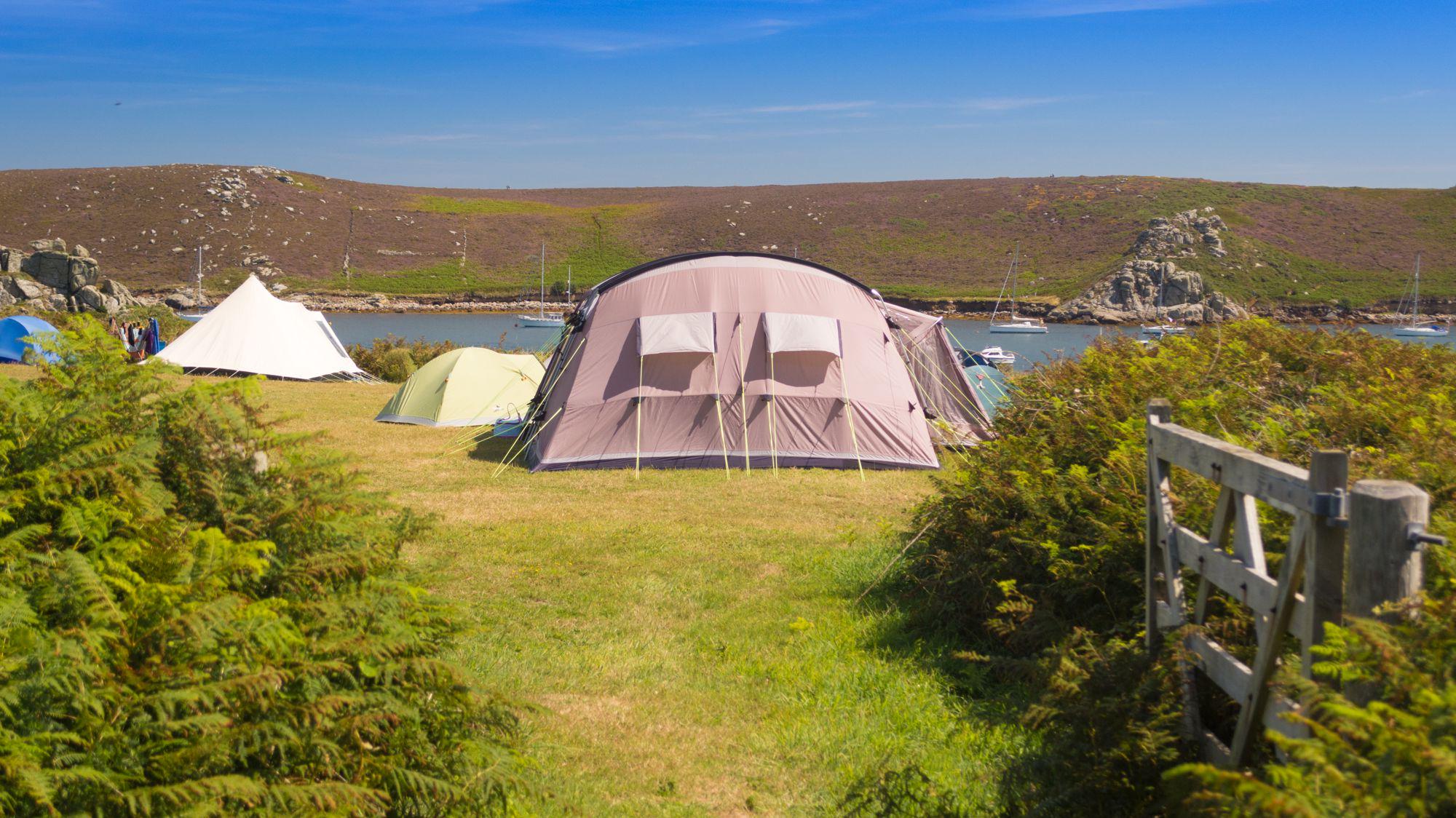
If you’ve decided to go camping for the first time, but don’t know where to start, we’ve put together a step-by-step guide to camping for beginners that should help you get started…
If you’ve decided to go camping for the first time, but don’t know where to start, you’ve come to the right place. We’ve put together a step-by-step guide to camping for beginners that should help you get started…
Camping for beginners – step 1: Buying a tent
Canvas or polyester? Poles or pop up? Single skin or fly sheet? There’s a lot of choice in tents these days so buying your first tent can be tricky. The type of tent you need really depends on what sort of camping trip you’re planning. If it’s a solo hiking-and-camping trip on one of the national trails, the pack-down size and weight will be the main considerations but if it’s a two-week family camping holiday, it’ll be roominess that’s key. In fact, there are so many options that our advice could stretch to a whole new blog, which is why we’ve put one together on just this subject – Camping for beginners: buying your first tent. But perhaps the single best piece of advice is that before you make the purchase, visit one of the large outdoor retail shops or even a camping show, where you can see tents up and in action. It’s the best way to get a feel for the type of tent that will suit you. And if it’s your very first camping trip and you’re not sure how you’re going to get on, you might be better off borrowing a tent from an outdoorsy friend or trying glamping in a pre-pitched bell tent, safari tent or yurt. It’ll be a softly, softly approach to camping and a great way to test the waters.
Camping for beginners – step 2: Choosing a destination
Your decision to go camping may have been based around a particular destination or even a campsite you love the look of, so this may be a moot point. But if, on the other hand, you’ve decided on camping for your next holiday based on affordability or the desire to try a new hobby, you may be wondering which destination to choose for your trip. You’ll find campsites pretty much everywhere as our extensive range of campsites in the UK and beyond proves – so you can usually find one near a place you want to visit. Destinations in the UK, France, Europe and the world are available to you but one little tip for first-time campers is choose somewhere that you can arrive at in daylight hours. Cornwall may look like a great place for a weekend of camping – but if you live in London and want to leave after work on a Friday, you will arrive in the dark and have to try and pitch your brand-new tent in the dark too. Don’t make it hard on yourself: leave earlier than you think you need to and arrive in daylight hours or choose a destination that’s a little closer to home.
Camping for beginners – step 3: Picking your campsite
Every campsite is different and we aren’t about to dictate what type of campsite you should be staying at but we can point you towards our favourites! The sites we pick to feature on Cool Camping are pretty varied but they are all places that our travel experts have flashed a big thumbs up to. We tend to prefer independent camping and glamping sites where personal touches are more highly prized than professional sheen. We like campsites with owners who are championing their local area and the environment and we love places that celebrate the great outdoors. With all that in mind, Cool Camping sites still offer huge variety. There are campsites on the coast, in the country and in woodland and they range from basic campsites where it’s tents only to glamping sites where luxury camping accommodation can mean anything from bell tents to whimsical treehouses. In choosing your campsite, think about what’s most important to you whether that’s a sea view, fancy facilities or whether campfires are allowed and read carefully to make the site you choose fits the bill. Our search facility includes handy filters for the things people look for most to make finding your perfect pitch easier.
Camping for beginners – step 4: Preparing for your first camping trip
You’ve bought, borrowed or booked a tent, you’ve picked a destination, settled on a campsite and now you’re ready to pack – right? Wrong. Before packing for your very first camping trip, it’s a great idea to do a practice pitch at home. A practice pitch gives you the chance to check that guy ropes, tent pegs and poles are all present and accounted for before you set off – hopefully with time to get in replacements if they’re not. It also gives you the chance to learn the ropes in private before showcasing your skills on site. Even a pop-up tent is worth unfurling before you set off: it might take two seconds to pitch but it can be two hours to repack if you haven’t got the hang of it. Once you’re happy that your gear is in good shape, it’s time to pack. Every camper is different and so your packing list will be unique to you but our Essential Camping Checklist (available as a downloadable PDF) should give you some ideas about things you might need.
Camping for beginners – step 5: Pitching your tent
Just as every camper is different, every campsite is different. Some sites are strictly regimented when it comes to pitching tents; they will have booked you in to a spot and, on arrival, you will be taken or directed to it. Some sites will have set numbered or named pitches but they will let you pick one yourself and some pitches are basically a free-for-all where there are no set pitches but there are likely to be some rules (like pitching a sensible distance from neighbours and hedgerows). All have their advantages and there’s a sliding scale of choice in how to pitch within the given boundaries but things you might want to bear in mind are; the lie of the land, the weather, where the sun comes up and proximity to facilities. It goes without saying that the flatter the pitch the better but if the ground has a slight slope and it’s possible, it’s a good idea to pitch the tent so you can sleep with your head up: you definitely don’t want to be rolling down the hill all night. Consider whether you’d rather have shade than sun and whether you want to be looking at sunset or sunrise. Wind is another factor: if there’s a definite prevailing wind, you might want to protect yourself from it a little by choosing a spot by a hedgerow.
Camping for beginners – step 6: Campsite cooking
After setting up the tent, one of the first joys or challenges of campsite life is getting that all-important campsite dinner on the picnic table. If you’re going to be cooking on a camping stove make sure you’ve planned ahead and taken plenty of camping gas then set up your stove outside, off the ground and always bring more gas than you think you’re going to need. If you’re cooking on a campfire – take a look at our guide to building the perfect fire and get it roaring before you start to cook on it. If you’re arriving late on your first day, it’s a great idea to take something you’ve made or semi-prepared earlier. Whether you’re cooking on a camping stove or a campfire, a Tupperware full of chilli that can be simply warmed through is a great idea.
Camping for beginners – step 7: Relax and enjoy yourself
There’s a different pace to campsite life and most things, from cooking your dinner to brushing your teeth, take a little longer. Leave the rules and routine of life at home and go with the flow. If you’ve got kids, they’ll probably be so excited on the first night they’ll want to stay up later but this is likely to be countered by the fact that on the second, third and fourth nights the fresh air and running around will mean they’re tired and ready for bed before you know it. Soon you’ll be going to bed with the sun and waking up with the lark. Our step-by-step guide to camping for beginners should help you relax and enjoy your first camping trip so much that hopefully it won’t be your last.
Recent Posts
Synchronous Fireflies: Your Guide to the Great Smokies’ Annual Light Show in 2024
Up and down the Eastern US, fireflies (or lightning bugs) are an essential part of summer nights, twinkling against the…
Morel Mushroom Hunting Season: The 2024 Camping Guide
Spring is springing. And we all know what that means—the 2024 morel mushroom season is underway. To increase your chances…
Top Wildflower Hikes in the Great Smokies
Great Smoky Mountains National Park glows every shade of green in spring and early summer, its lush forest landscape featuring…
These Hipcamp Hosts are Making the World a Better Place
We couldn’t be more proud to partner with thousands of incredible Hipcamp Hosts who share their land with others, opening…
Where to See Bluebonnet Fields in Texas This Spring
As the days grow warmer under the Texas springtime sun, the green spaces along the roads and highways of the…
Host Spotlight: How These Texas Retirees Have Maintained a Perfect Rating for 7 Years
Landowners are partnering with Hipcamp to earn extra money by connecting their properties with folks looking to stay and camp…