The best star host camping near Norton

·

If you're looking for camping near Norton, Ohio, Hipcamp has over 690 options for you to choose from. With prices averaging at $35 per night and options as low as $5, there's something for every budget. Check out top campsites like Grins & Pickin's CampFarm (258 reviews), The Pleasant Valley Farm (191 reviews), and McKee Farm (188 reviews) for tried and true options. Whether you're into fishing, biking, or snow sports, you'll find the perfect spot to enjoy your favorite activities. Plus, popular amenities like pets, cooking equipment, and campfires are available to enhance your camping experience.

99% (3.3K)

Top-rated campgrounds
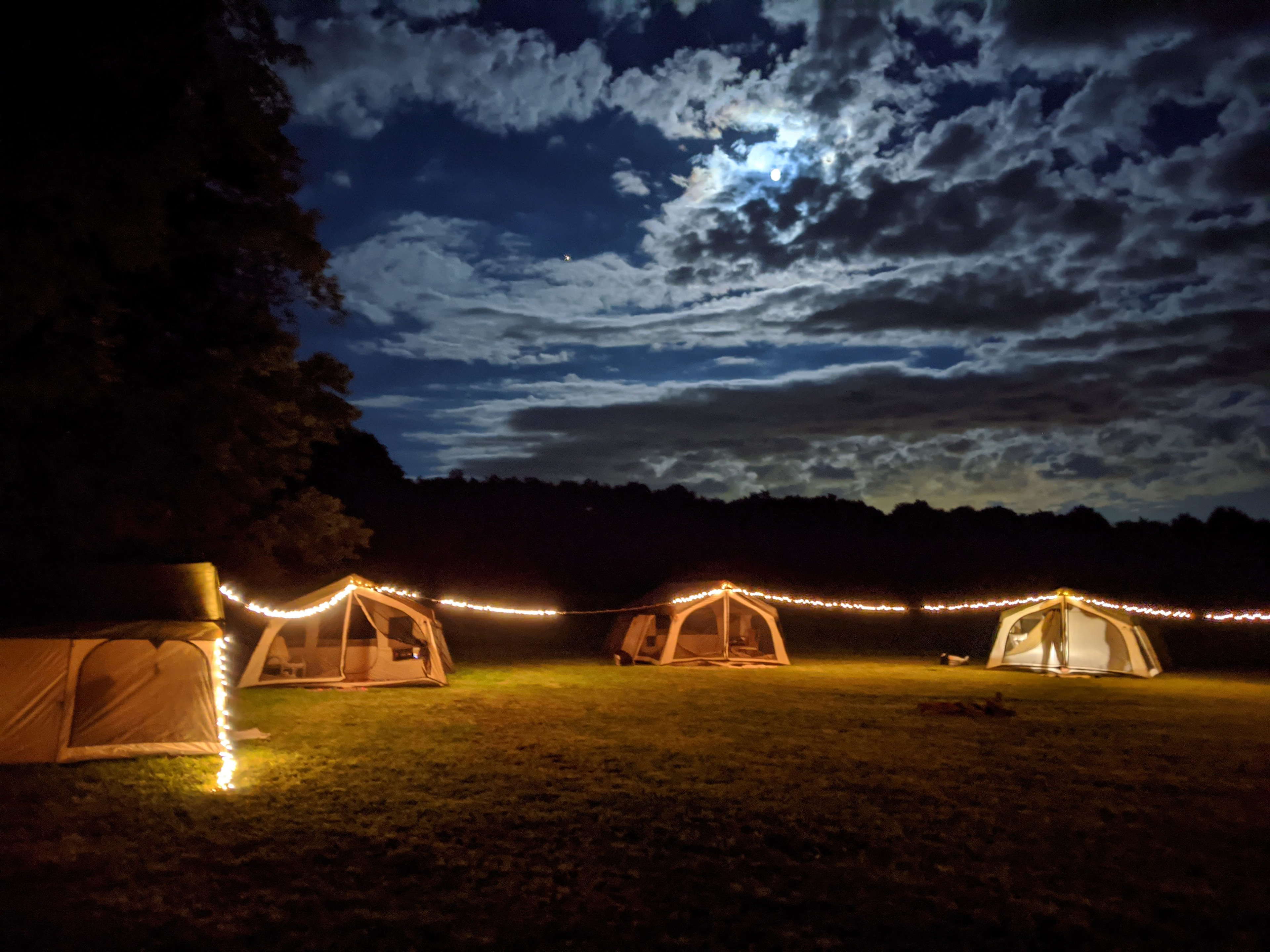
Heritage Lake Farm

1. Heritage Lake Farm

97%
(57)
36mi from Norton · 8 sites · Tents, RVs, Lodging · Garrettsville, OH
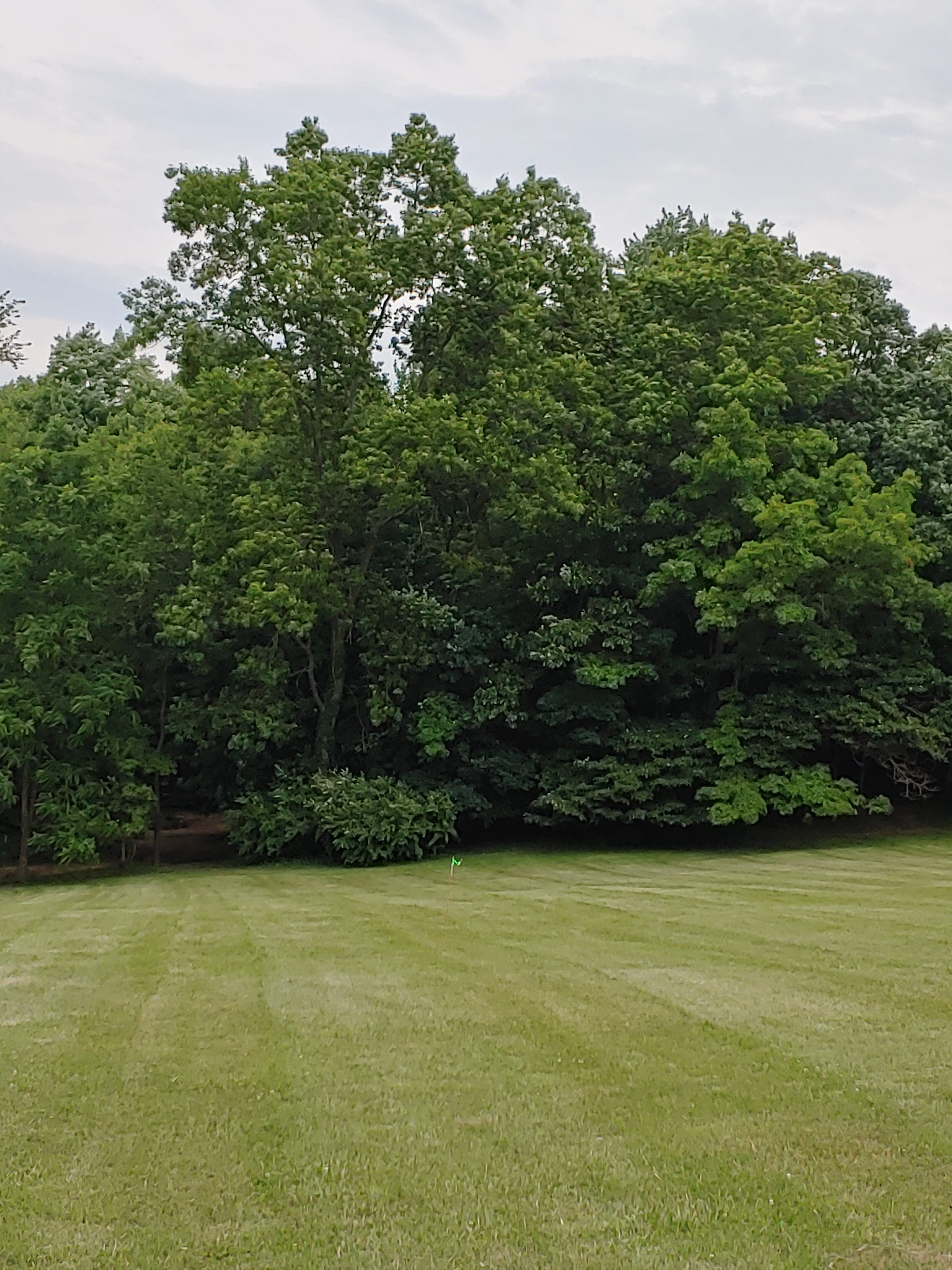
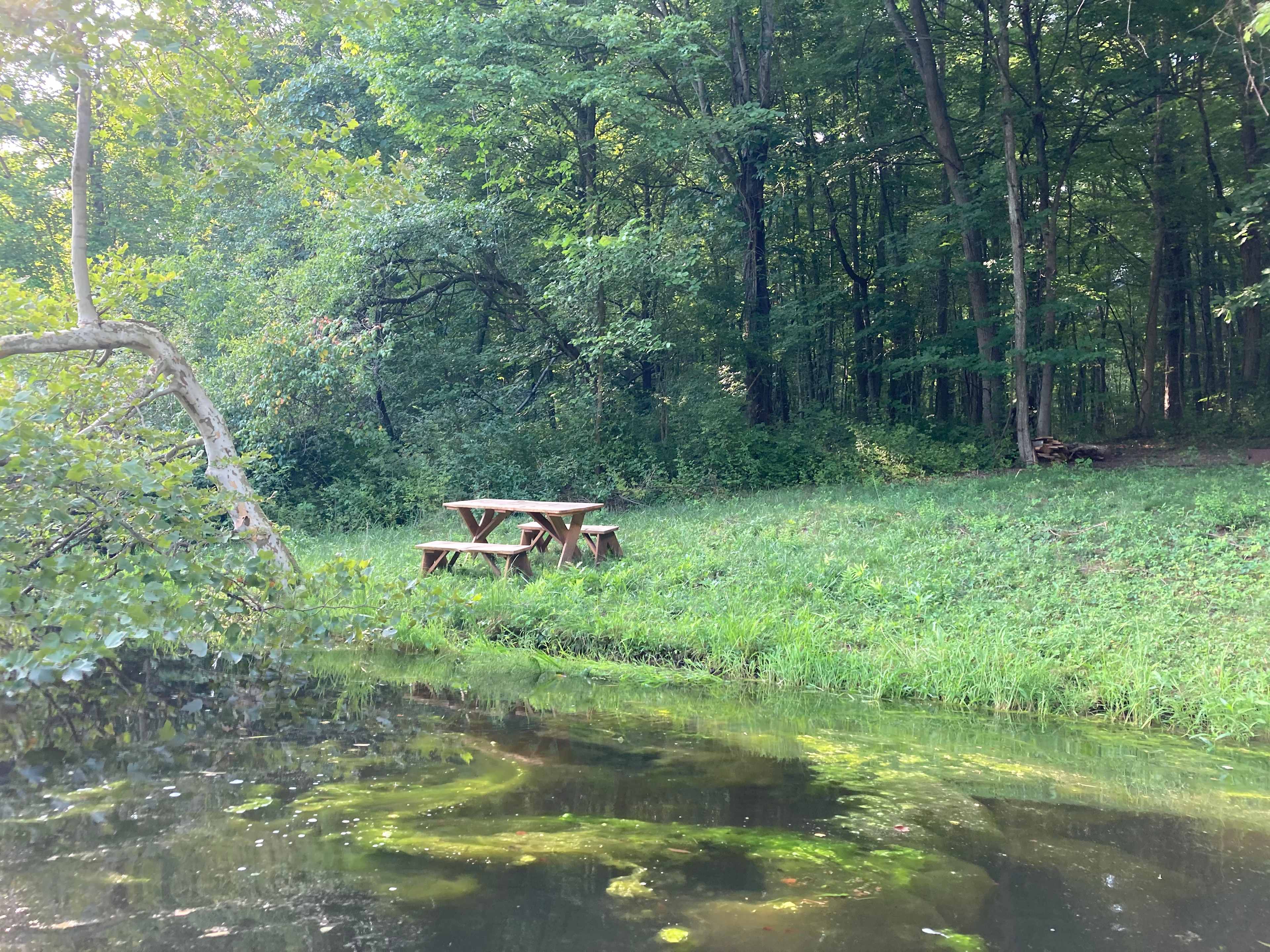
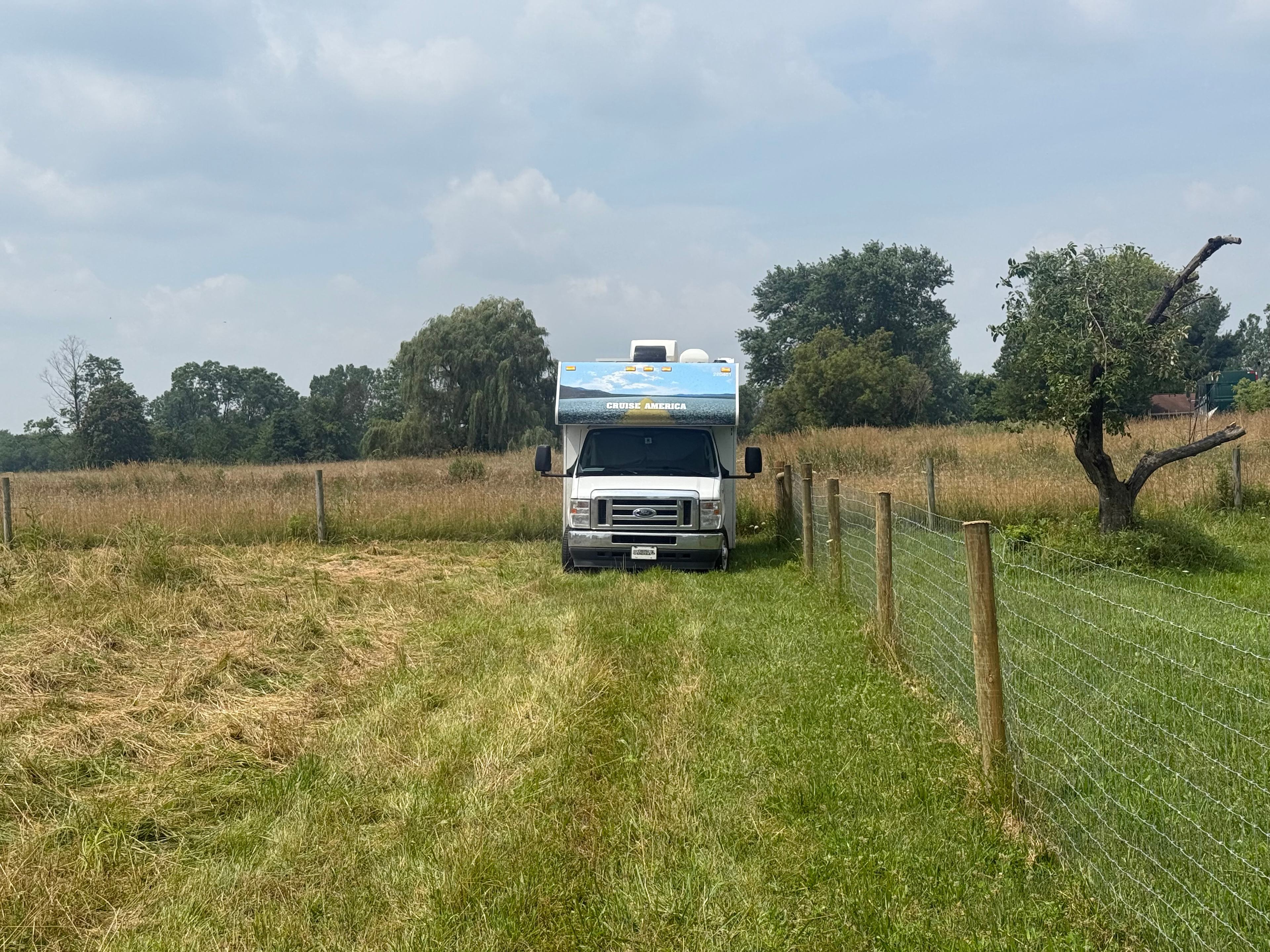
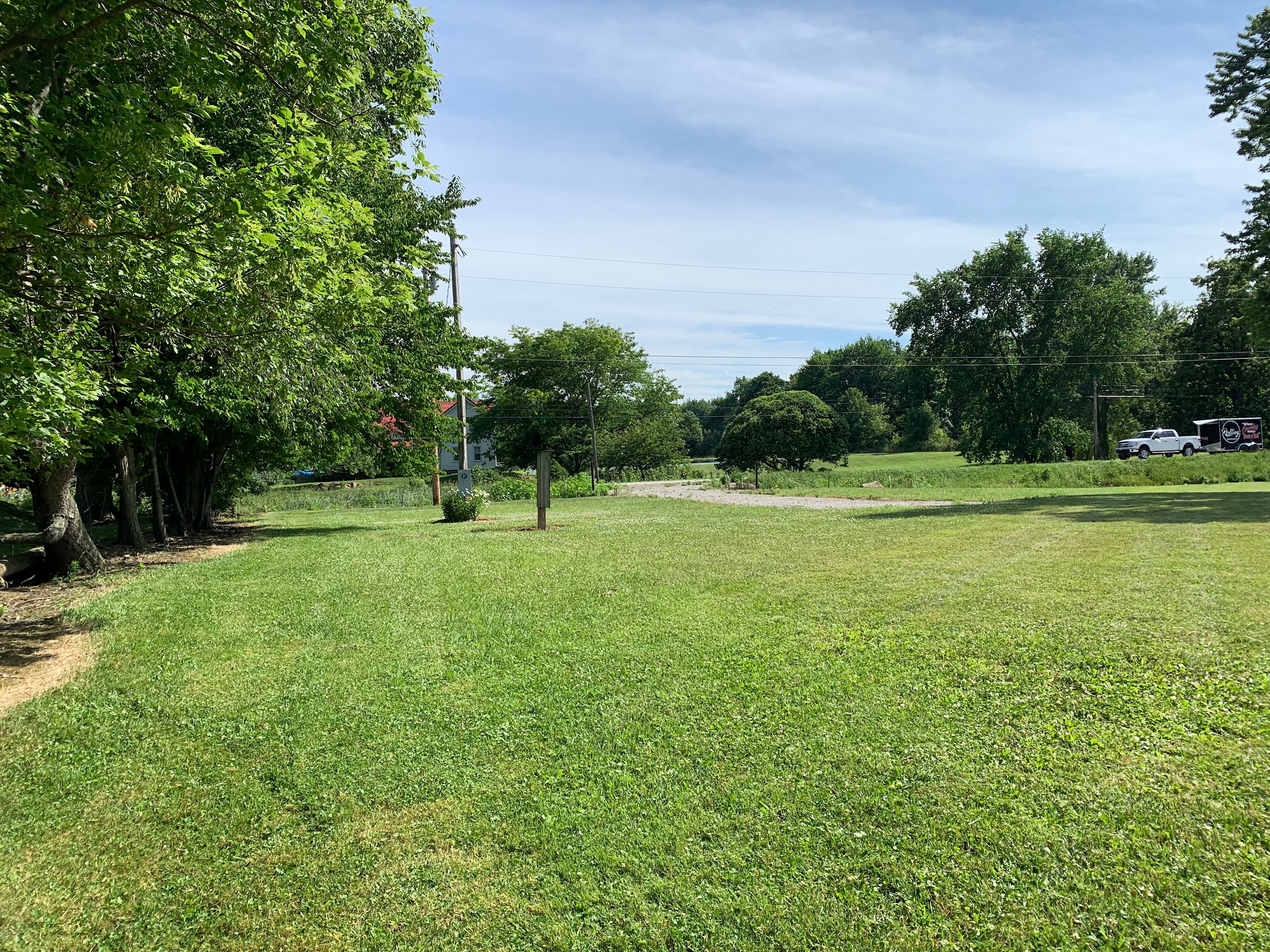
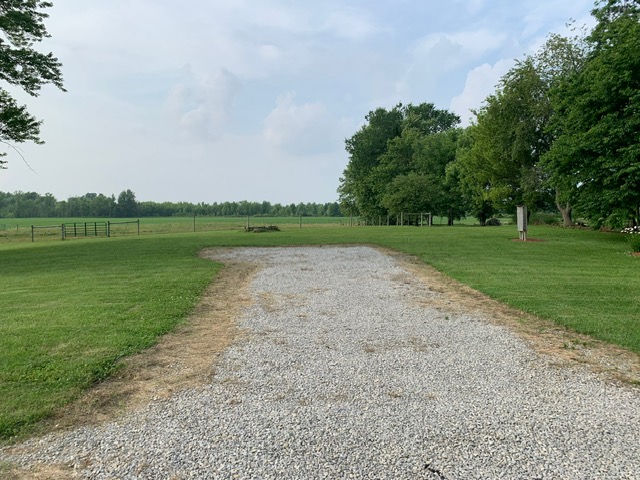
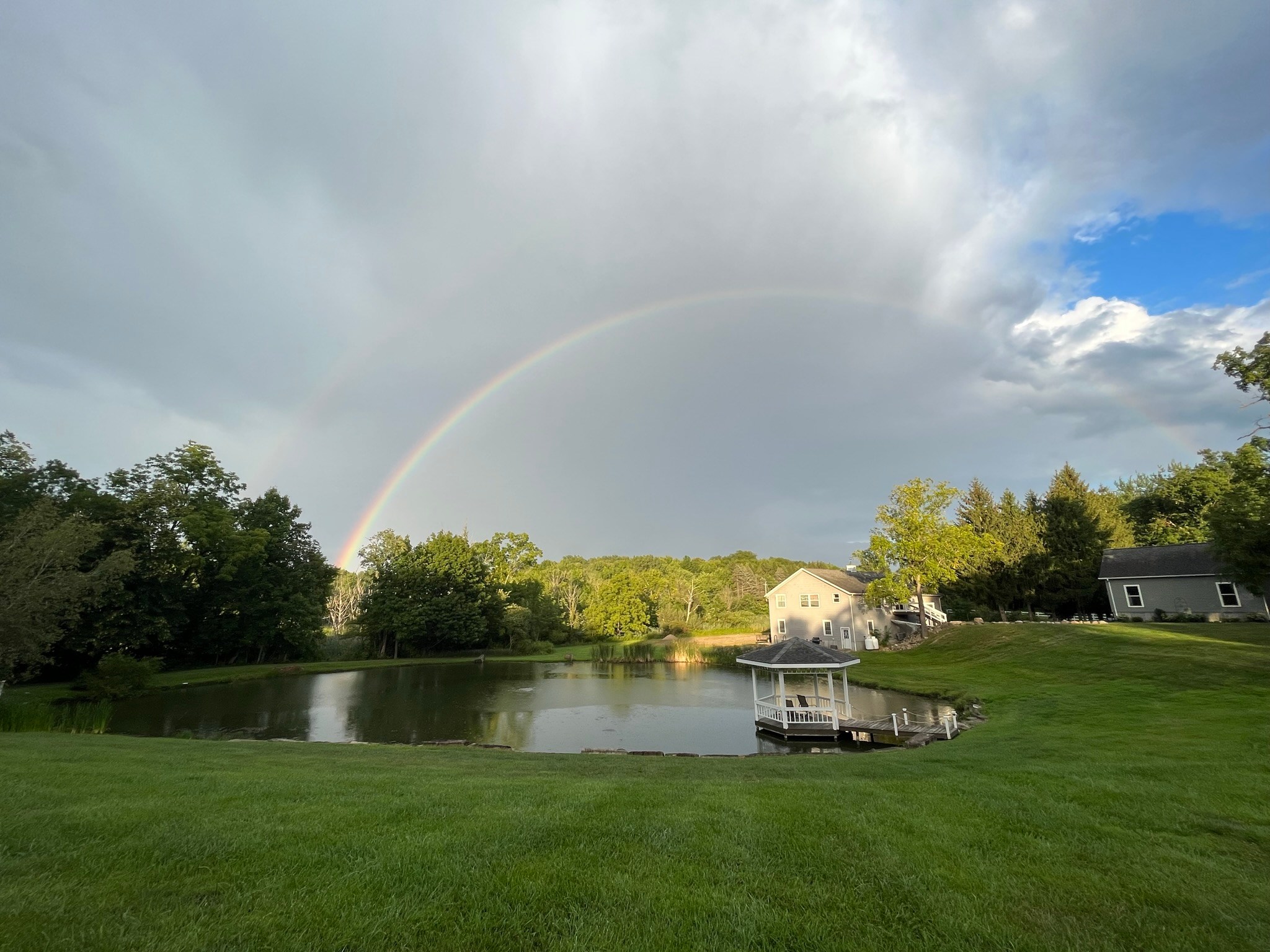
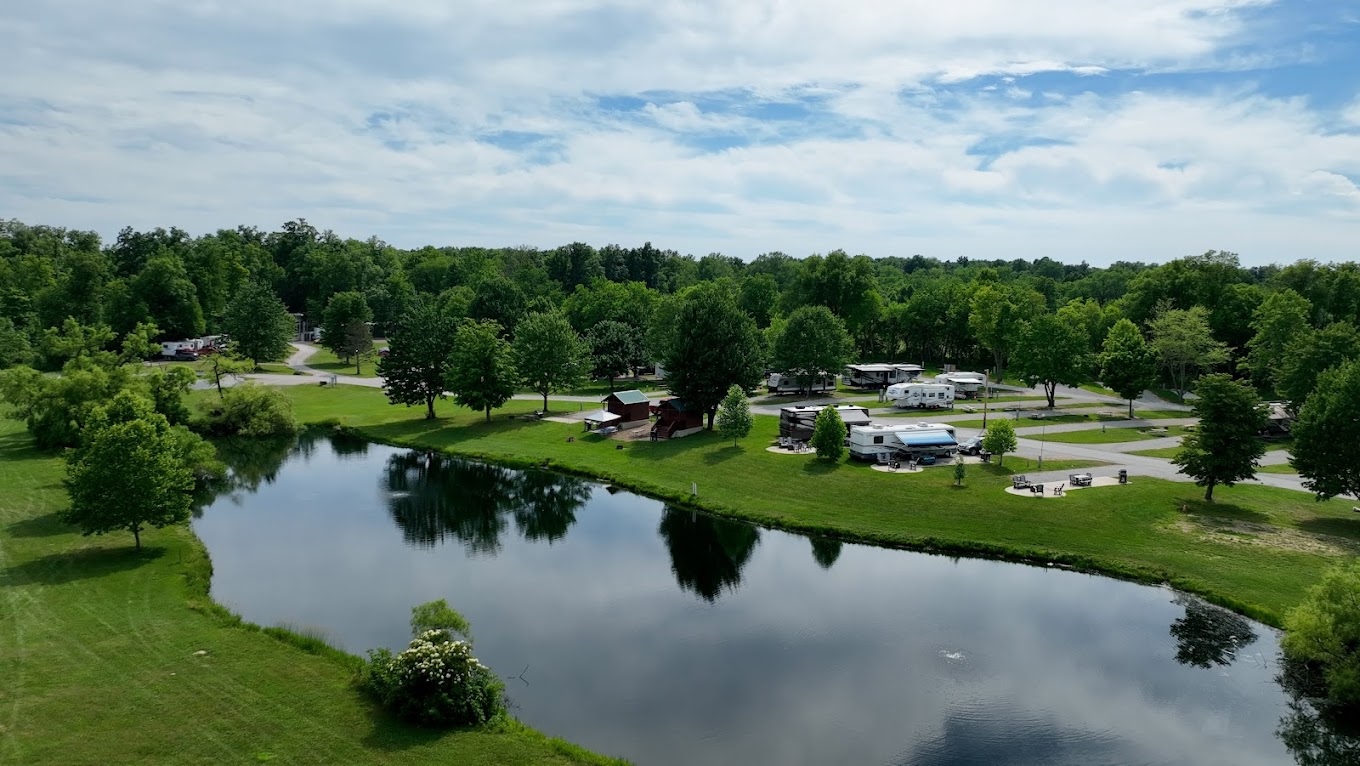
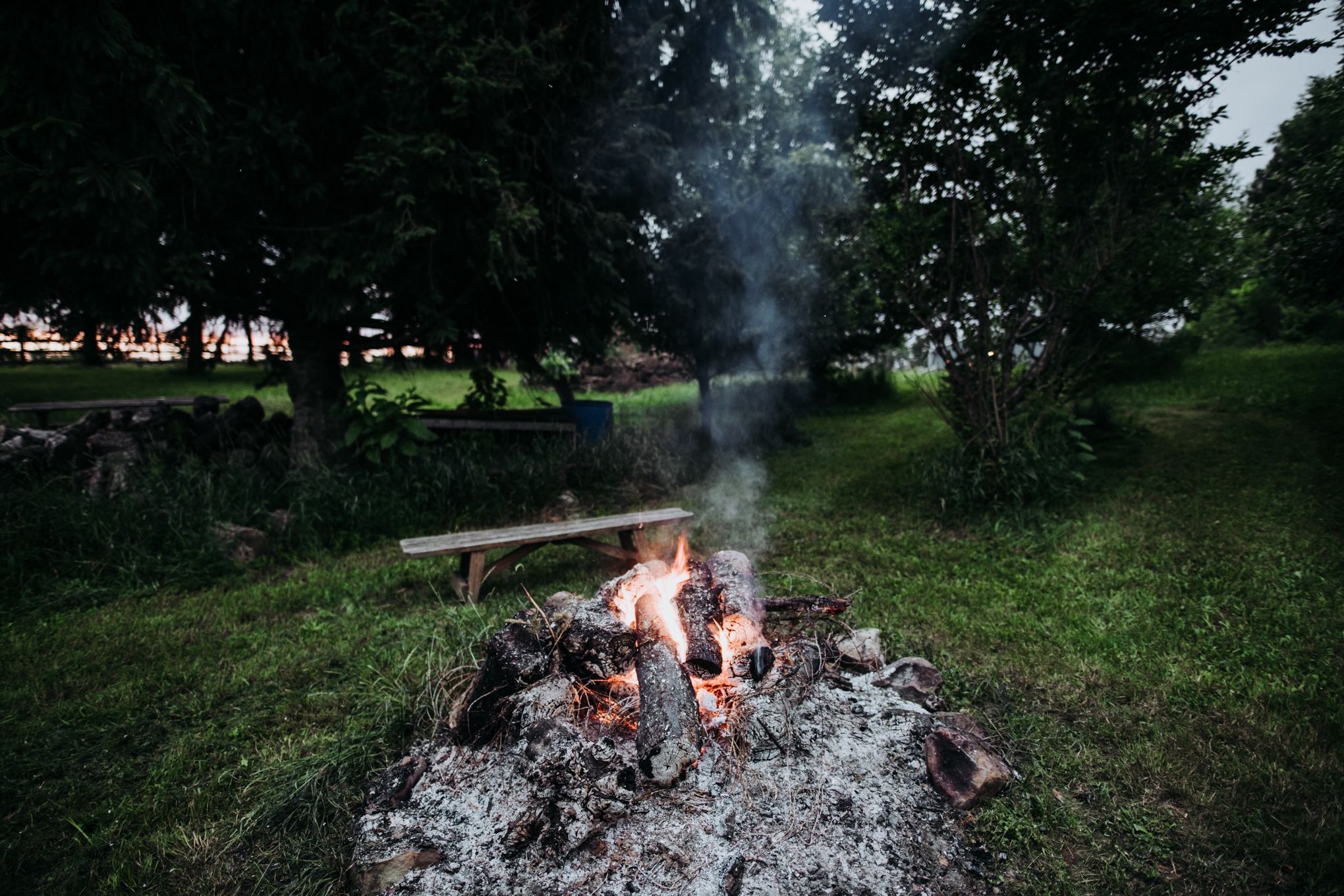
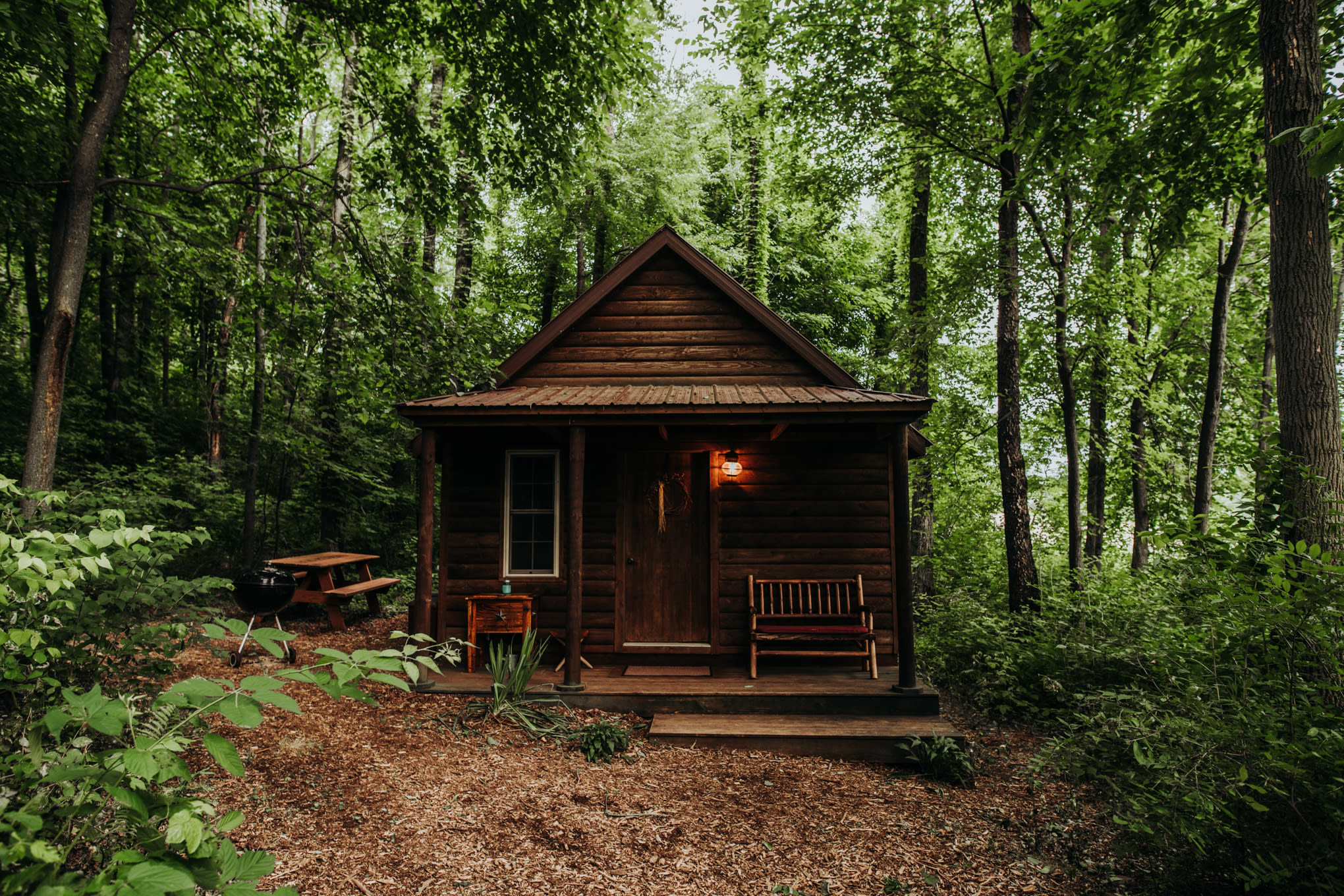
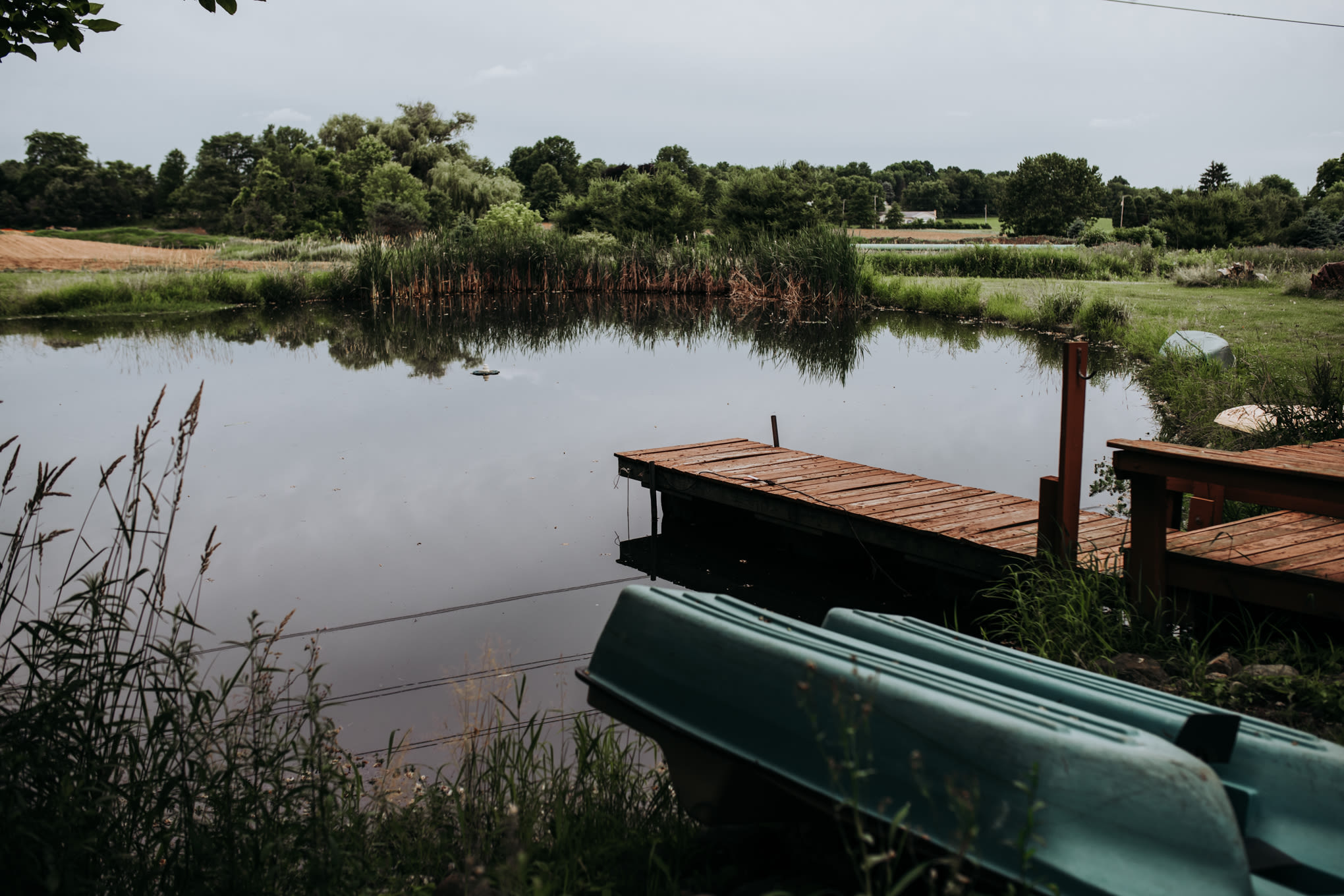
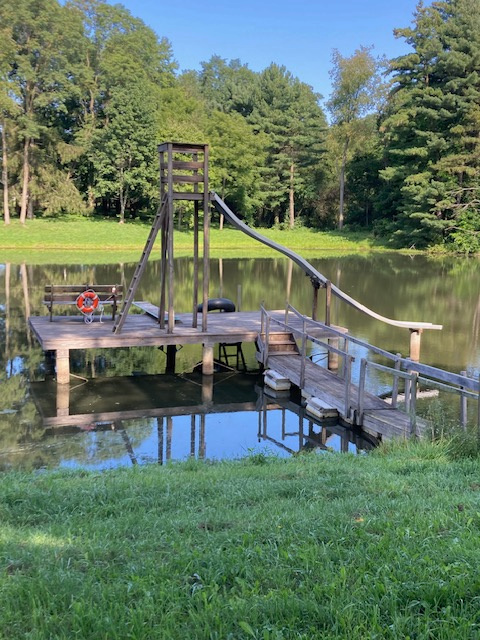
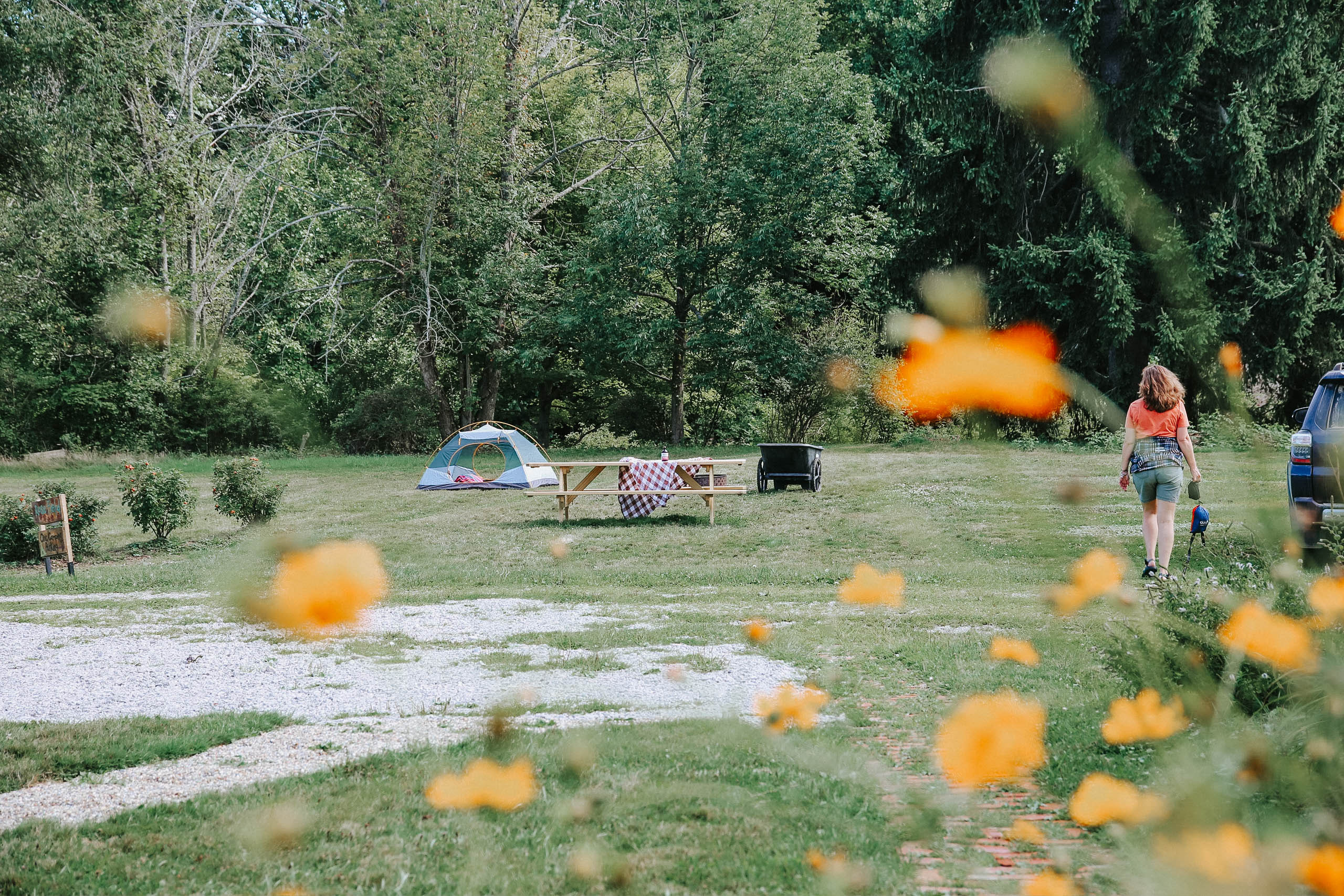
Heritage Lake Farm features Heritage Lake, of course, a 2-acre spring-fed lake in the headwaters of  Ohio's Grand River. Heritage Lake offers fishing, a swimming platform with a diving board, a diving board, a trapeze swing.    Park your RV, motorhome or self-contained trailer just off the driveway south of the Host's main cabin for water, electric and sewer on property.  Tent Camping can be separately booked at FarmStay - Tent @HeritageLakeFarm and is allowed most anywhere on the farm as long as it will not interfere with seasonal agricultural operations. Two vintage sleeping cabins can be separately booked at FarmStay - Cabin1 or  FarmStay - Cabin2 @HeritageLakeFarm. Heritage Lake Farm has abundant wildlife and offers excellent opportunities for hiking, birdwatching,  and foraging.
Pets
Potable water
Toilets
from 
$75
 / night
Bass and Buck Tent Adventures

2. Bass and Buck Tent Adventures

100%
(199)
38mi from Norton · 8 sites · Tents · OH
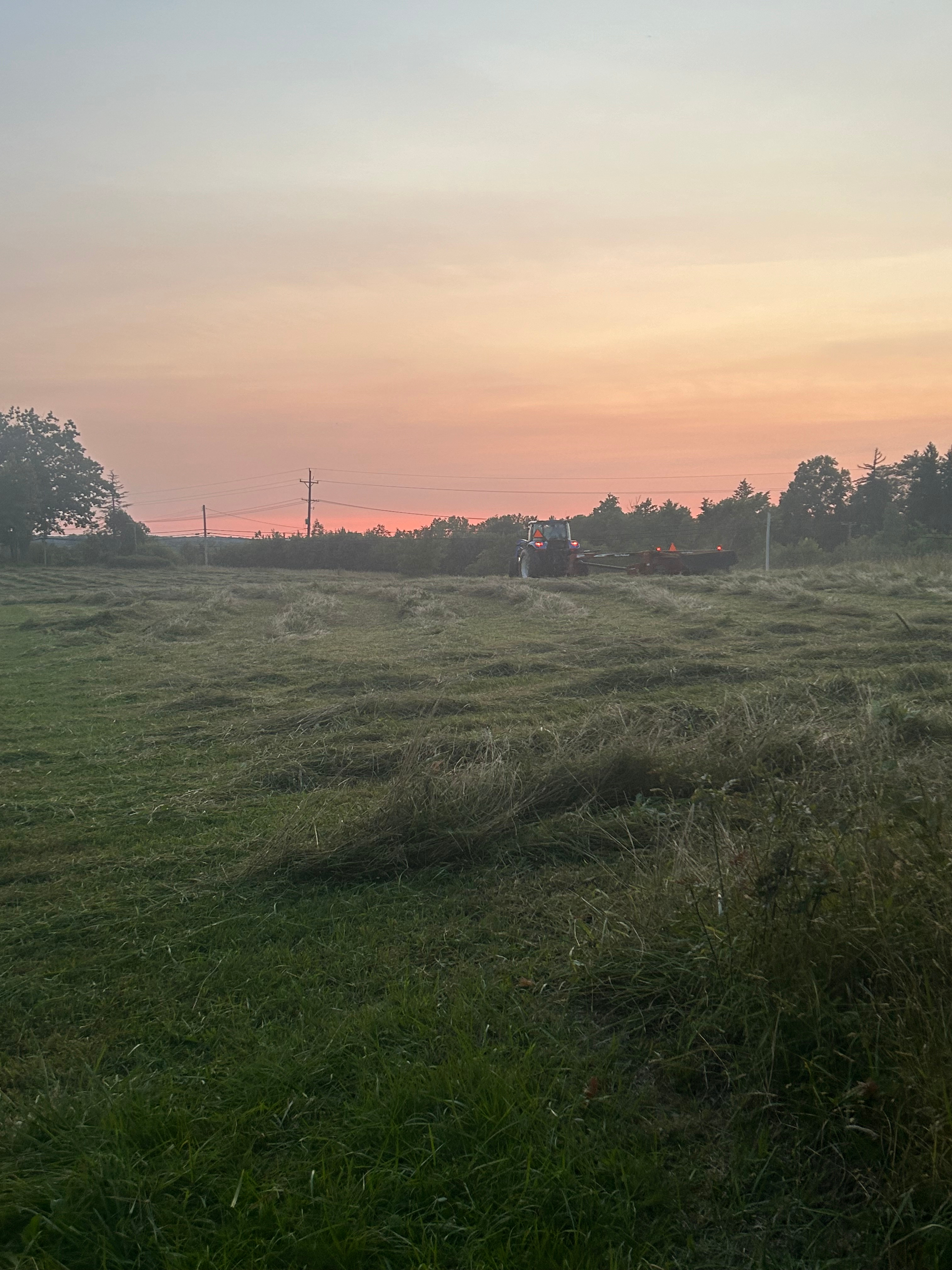
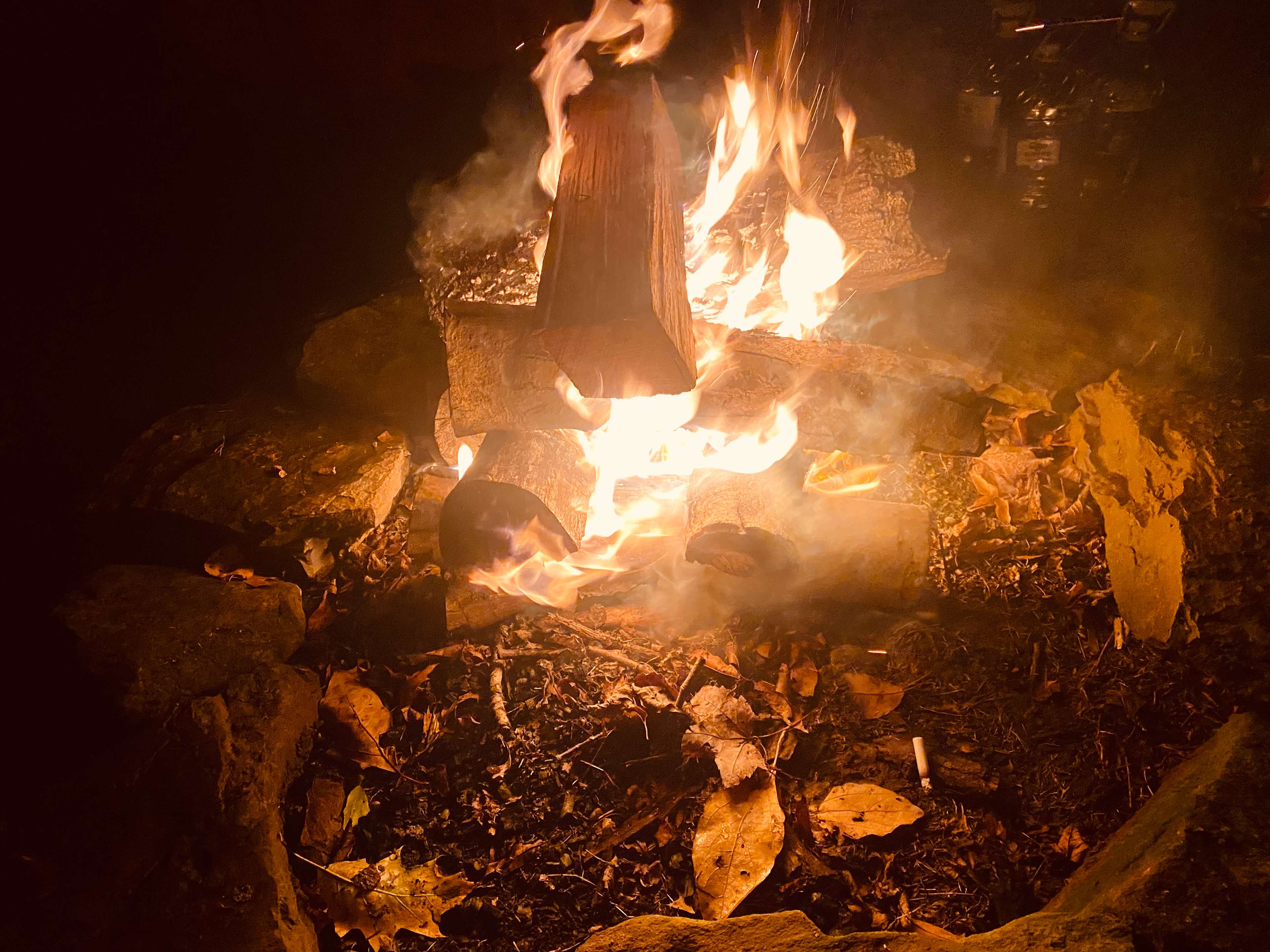
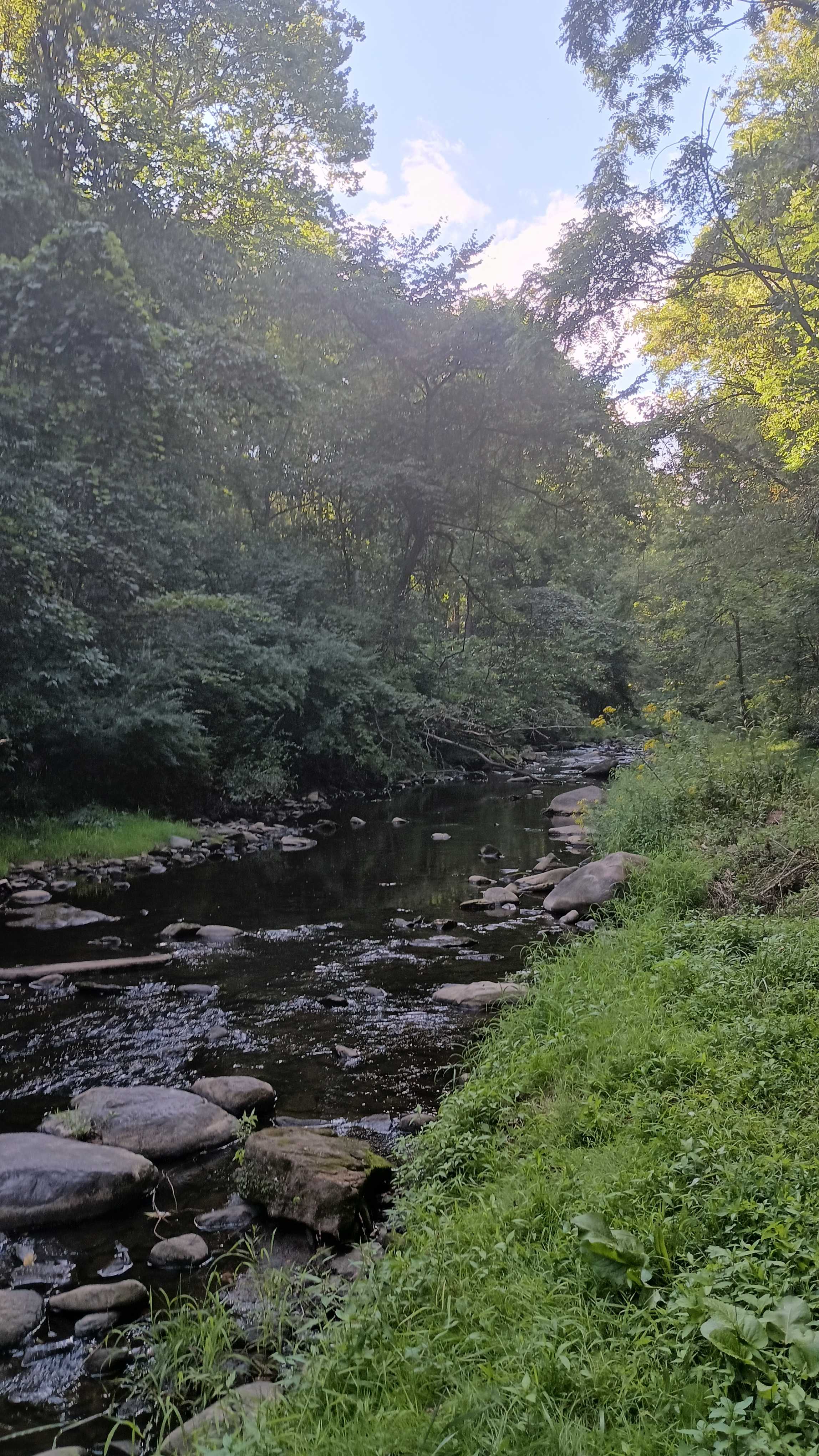
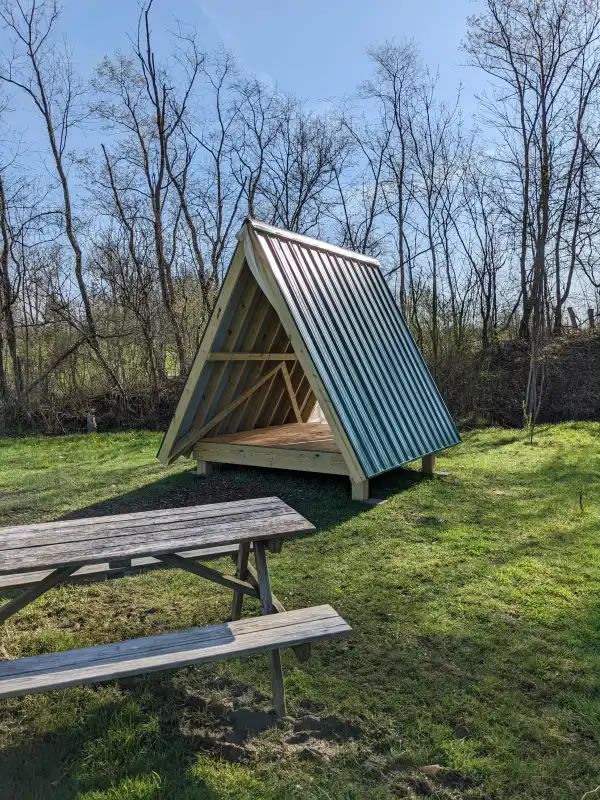
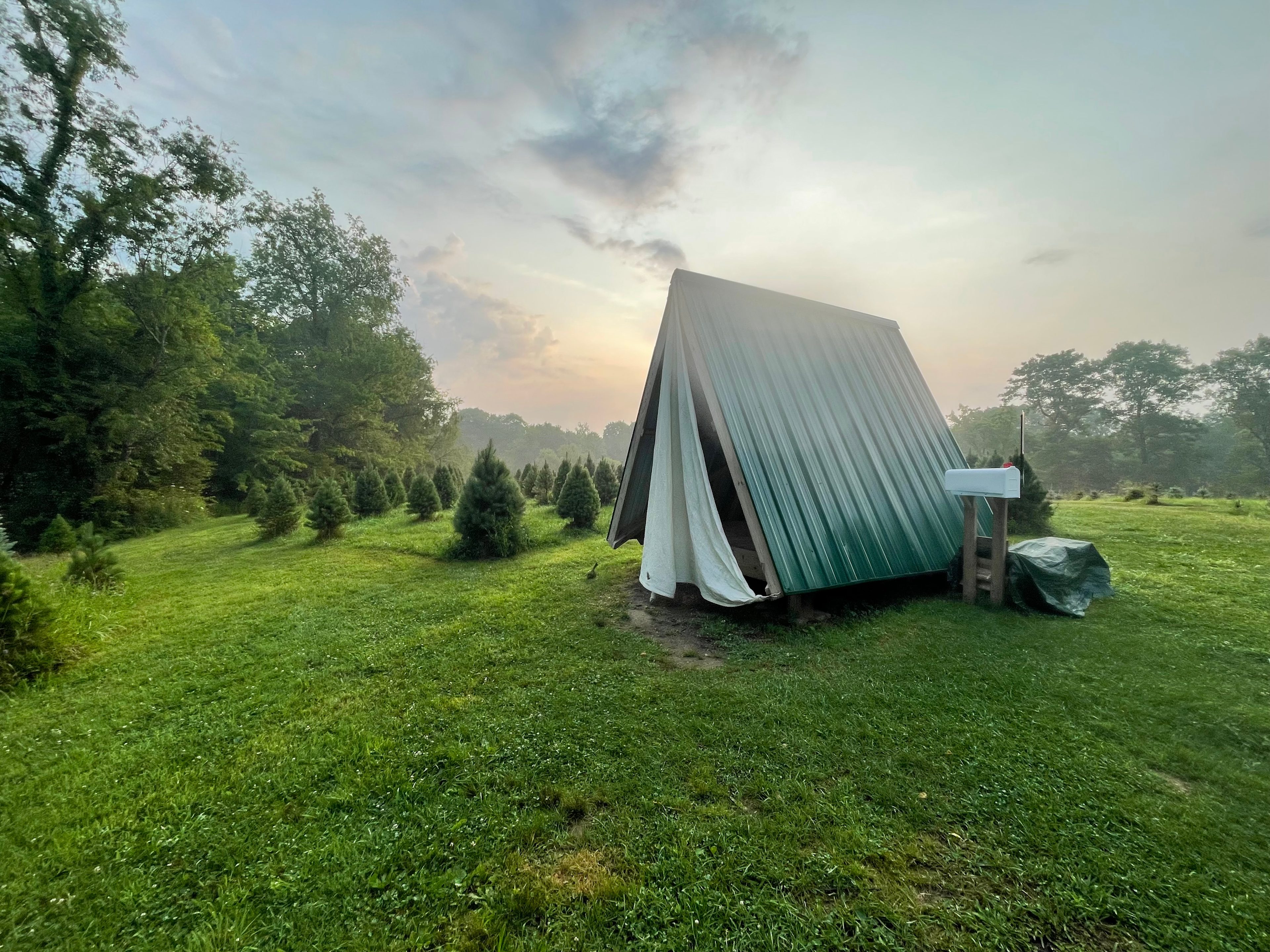
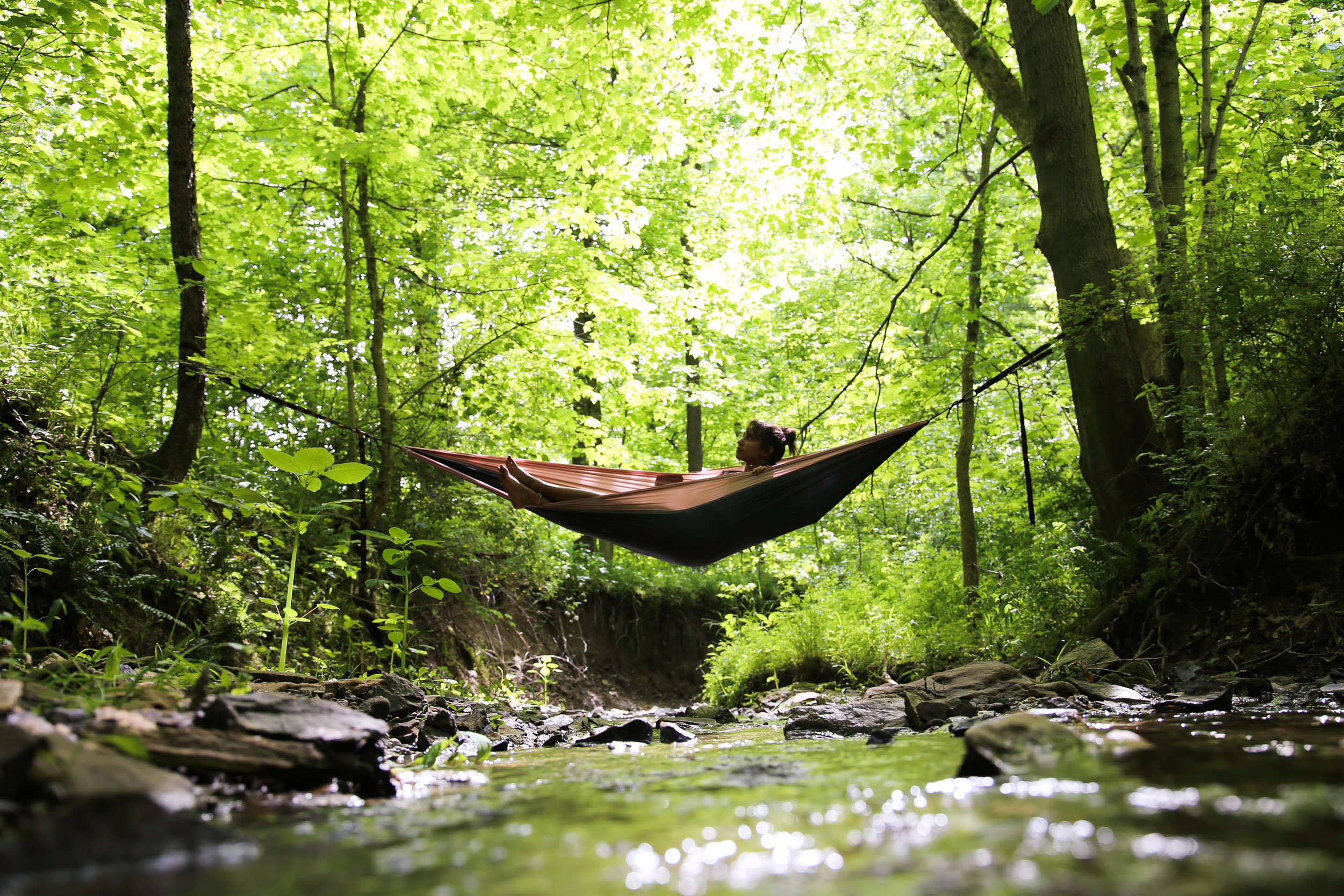
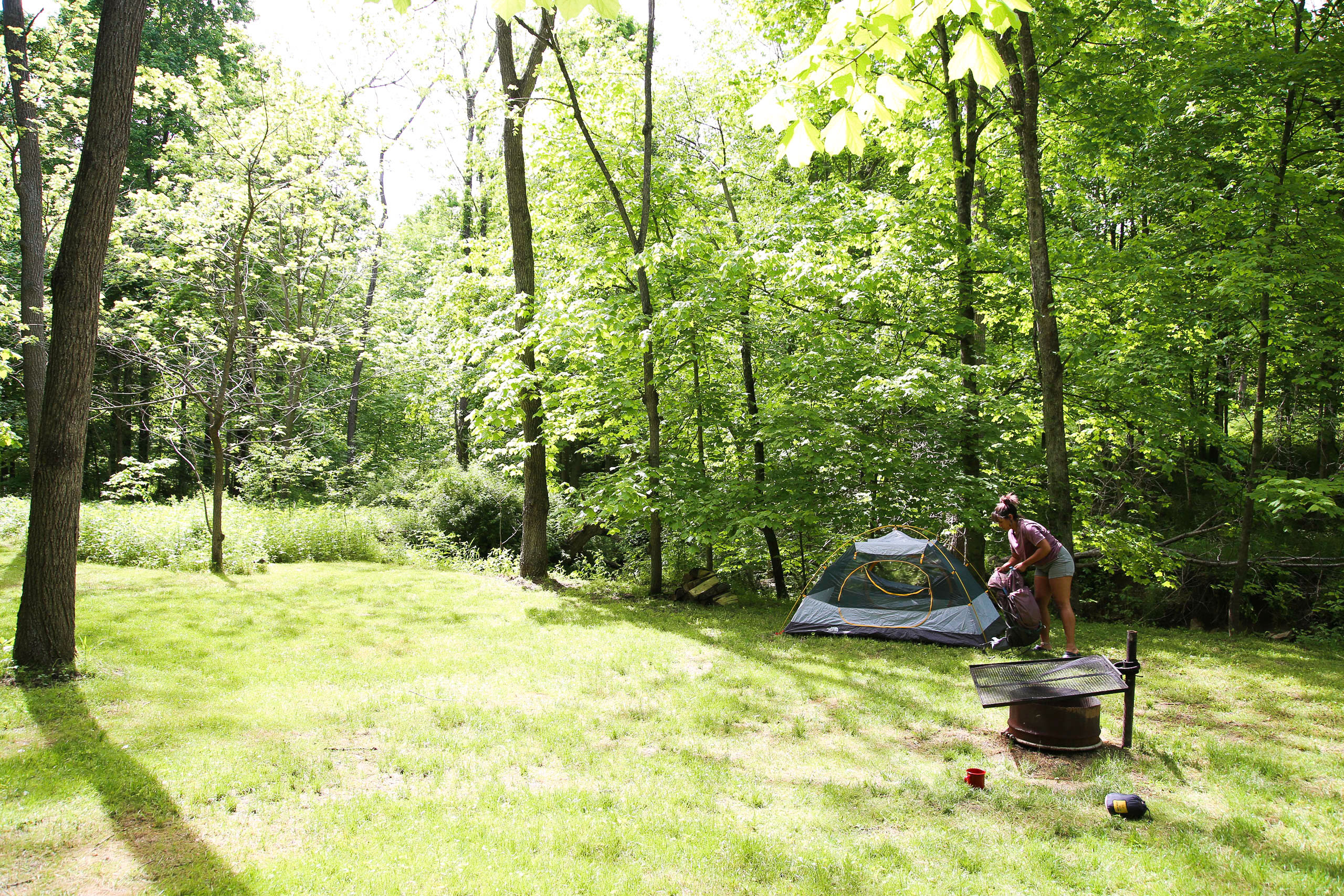
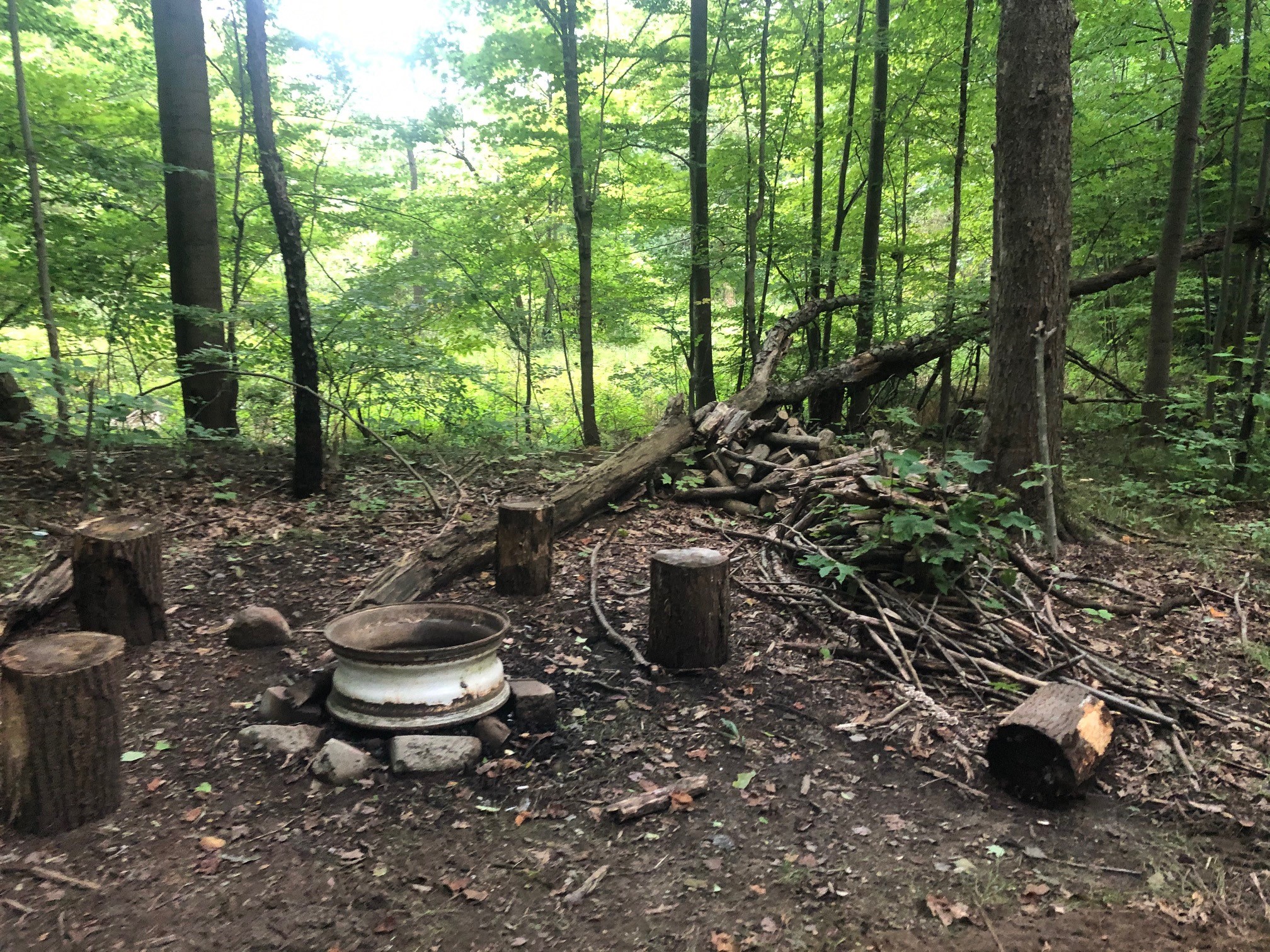
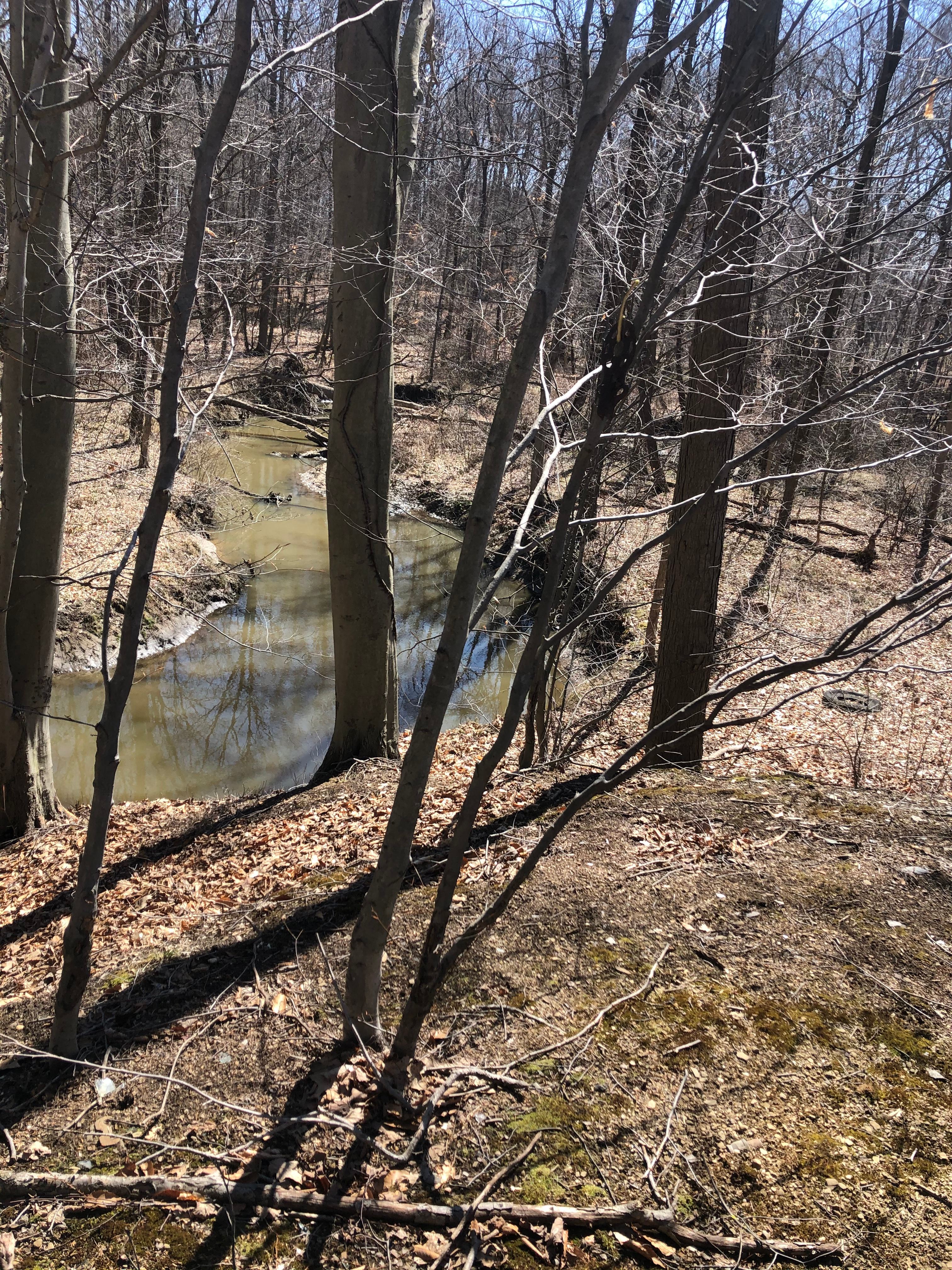
With over 230 acres, a lake, trails, the Grand River, plenty of wildlife, and FREE firewood. Bass and Buck Adventures is the perfect place to get away. Once known as Parkman Gorge the valley was a hub for water powered industry in the early 1800's. The river and valley is home to a wide array of wildlife. Deer, turkey, eagles, hawks, owls, mink, river otters to name a few. The area also attracts many song birds including a wide variety of warblers. There is also an abundance of wild flowers. The valley is rich in Native American history. Many artifacts have been found on the property. My great grandfather talked about the last Native American to live in Parkman. He had a cabin on one of the bluffs along the river. In the 1820's there was a water powered sawmill, flaxseed mill, and forge on the river. The boy scouts used the valley for a camp in the 1920,s. My grandpa purchased the property in the 50's from Ohio Edison. Ohio Edison's plan to dam up the river for hydro power never materialized. The valley has been a favorite for outdoor enthusiasts. Camping, hiking, fishing, hunting. Many of the items used for the camp sites have been reclaimed. The fire rings are old tractor rims and scrap steel. The tent platform is from reclaimed deck lumber. The firewood is excess cutoffs purchased from a local sawmill. For more information log onto our website. bassandbuckadventures.com
Pets
Toilets
Campfires
from 
$36
 / night
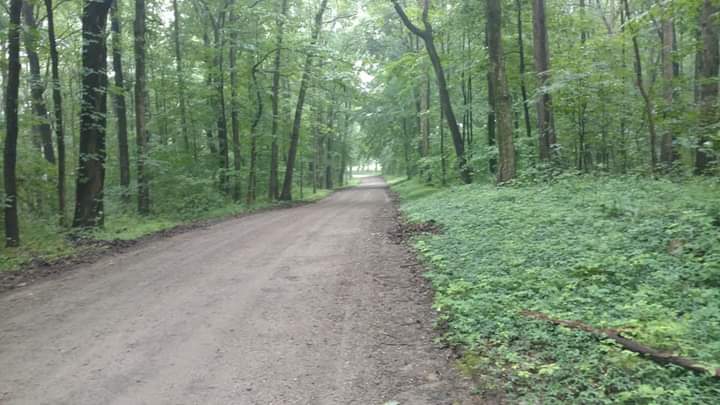
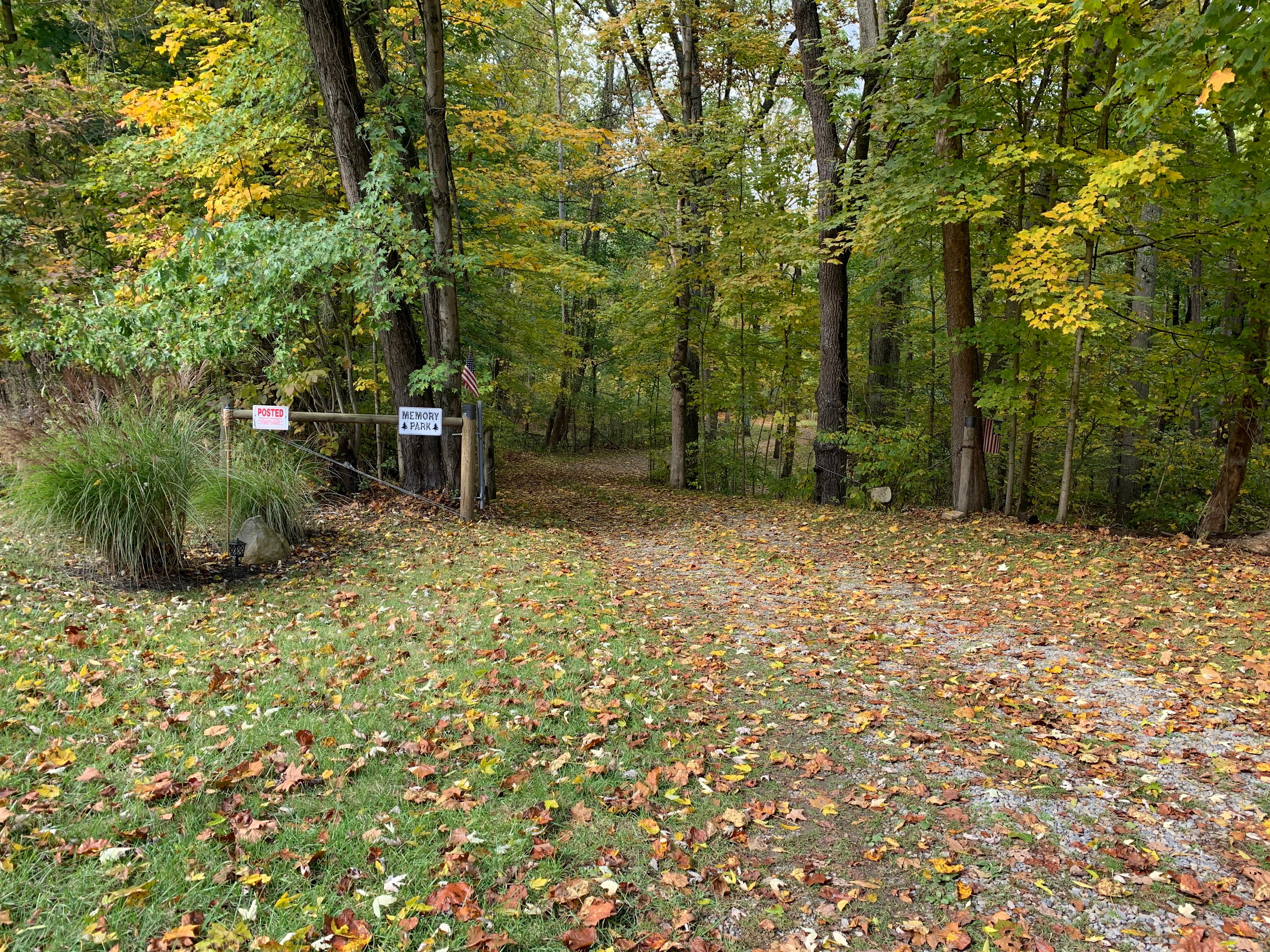
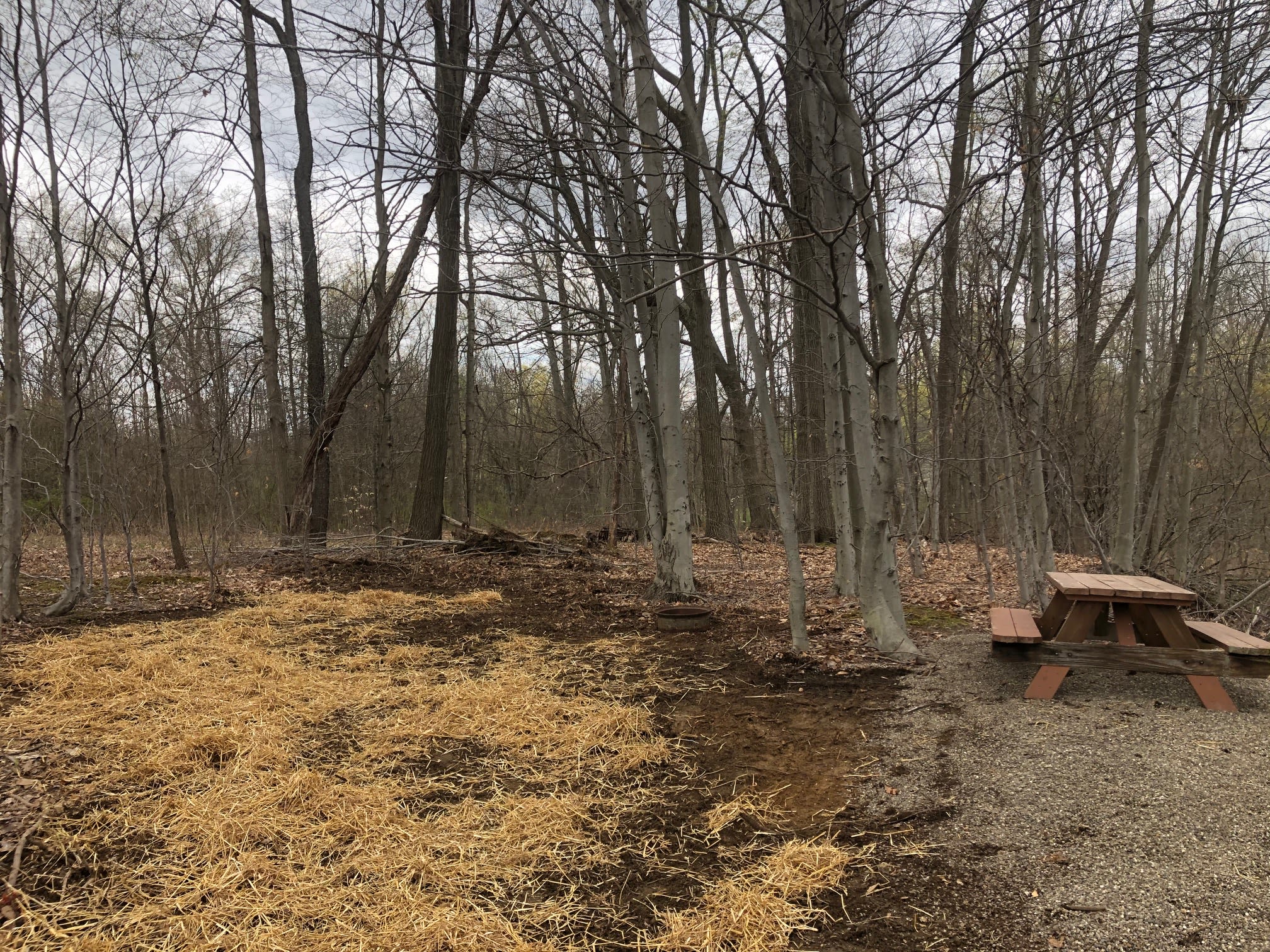
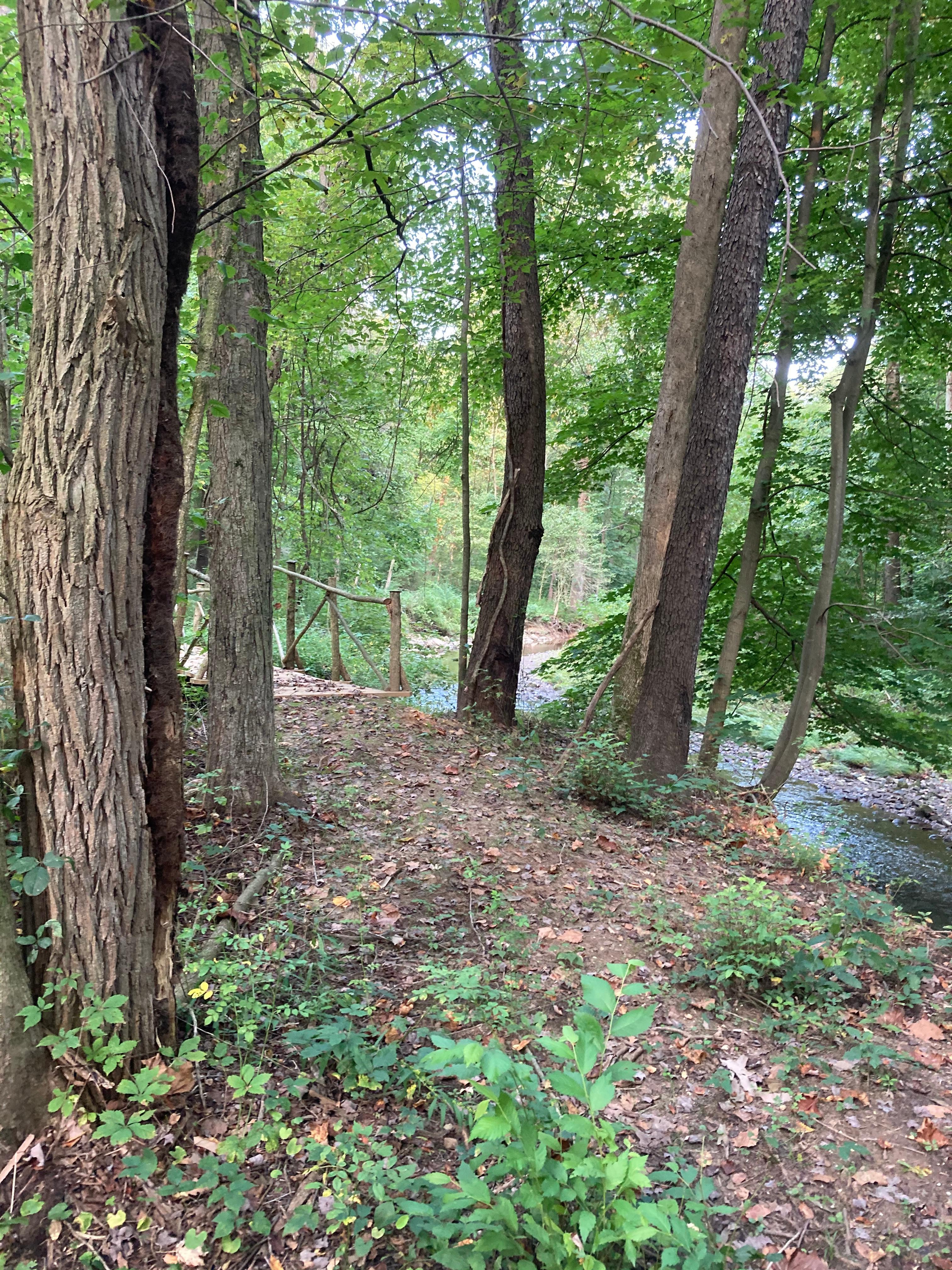
The campground is on the right, the nature trail is on the left.

5. Edge of the Ledge Camp

95%
(19)
48mi from Norton · 7 sites · Tents, RVs · Warsaw, OH
Edge of the Ledge Camp is a 4 site primitive campground on ground is located in a mature oak hardwood forest that offers bright light under a full forest canopy. In our many camping adventures over the years our favorite campgrounds were in our National Forests. We have built the campground with that "feel" of a forest experience. We provide a drinking water station, 2 clean sit arewidely spaced and offer considerable privacy. There is great scenic motor touring from Spring Mountain, the highest point in the county, across the Mohawk Dam, to riverside drives, scenic backroads and a ride across a covered bridge! Walk the forested blue loop nature trail on an adjoining 13 acres that loops through BIG trees and large rocks of glacial till under the shade of an ancient chestnut oak tree. The trail begins across the road opposite the campground driveway. Ticks, mosquitos and deer flies can be bad at times. Protect yourself! See us on Facebook at Edge of the Ledge Camp. The 7 Principals of Leave No Trace *Plan Ahead and Prepare *Know the regulations and special concerns for the area you'll visit. *Prepare for extreme weather, hazards, and emergencies. *Schedule your trip to avoid times of high use. *Visit in small groups when possible. Consider splitting larger groups into smaller groups. *Repackage food to minimize waste. *Use a map and compass or GPS to eliminate the use of marking paint, rock cairns or flagging. (this is a challenging one for us...any suggestions?) *Travel and Camp on Durable Surfaces Durable surfaces include maintained trails and designated campsites, rock, gravel, sand, dry grasses or snow. *Protect riparian areas by camping at least 200 feet from lakes and streams. *Good campsites are found, not made. Altering a site is not necessary. In popular areas: *Concentrate use on existing trails and campsites. *Walk single file in the middle of the trail, even when wet or muddy. *Keep campsites small. Focus activity in areas where vegetation is absent. In pristine areas: Disperse use to prevent the creation of campsites and trails. Avoid places where impacts are just beginning. Dispose of Waste Properly Pack it in, pack it out. Inspect your campsite, food preparation areas, and rest areas for trash or spilled foods. Pack out all trash, leftover food and litter. Utilize toilet facilities whenever possible. Otherwise, deposit solid human waste in catholes dug 6 to 8 inches deep, at least 200 feet from water, camp and trails. Cover and disguise the cathole when finished. Pack out toilet paper and hygiene products. To wash yourself or your dishes, carry water 200 feet away from streams or lakes and use small amounts of biodegradable soap. Scatter strained dishwater. Leave What You Find Preserve the past: examine, photograph, but do not touch cultural or historic structures and artifacts. Leave rocks, plants and other natural objects as you find them. Avoid introducing or transporting non-native species. Do not build structures, furniture, or dig trenches. Minimize Campfire Impacts Campfires can cause lasting impacts to the environment. Use a lightweight stove for cooking and enjoy a candle lantern for light. Where fires are permitted, use established fire rings, fire pans, or mound fires. Keep fires small. Only use down and dead wood from the ground that can be broken by hand. Burn all wood and coals to ash, put out campfires completely, then scatter cool ashes. Respect Wildlife Observe wildlife from a distance. Do not follow or approach them. Never feed animals. Feeding wildlife damages their health, alters natural behaviors, [habituates them to humans], and exposes them to predators and other dangers. Protect wildlife and your food by storing rations and trash securely. Control pets at all times, or leave them at home. Avoid wildlife during sensitive times: mating, nesting, raising young, or winter. Be Considerate of Other Visitors Respect other visitors and protect the quality of their experience. Be courteous. Yield to other users on the trail. Step to the downhill side of the trail when encountering pack stock. Take breaks and camp away from trails and other visitors. Let nature's sounds prevail. Avoid loud voices and noises. These principles were established by the Leave No Trace Center for Outdoor Ethics, and built on work by the US Forest Service, National Park Service, and Bureau of Land Management in the mid 1980s. This relationship continues today. The principles are based on and informed by scientific research in the fields of recreation ecology and human dimensions of natural resources. Take a look at the science behind the principles on the Leave No Trace website. Thank you for doing your part to protect our natural world. Leave No Trace Seven Principles © 1999 by the Leave No Trace Center for Outdoor Ethics: www.LNT.org.
Pets
Potable water
Toilets
from 
$35
 / night

If you're looking for camping near Norton, Ohio, Hipcamp has over 690 options for you to choose from. With prices averaging at $35 per night and options as low as $5, there's something for every budget. Check out top campsites like Grins & Pickin's CampFarm (258 reviews), The Pleasant Valley Farm (191 reviews), and McKee Farm (188 reviews) for tried and true options. Whether you're into fishing, biking, or snow sports, you'll find the perfect spot to enjoy your favorite activities. Plus, popular amenities like pets, cooking equipment, and campfires are available to enhance your camping experience.

99% (3.3K)

Top-rated campgrounds
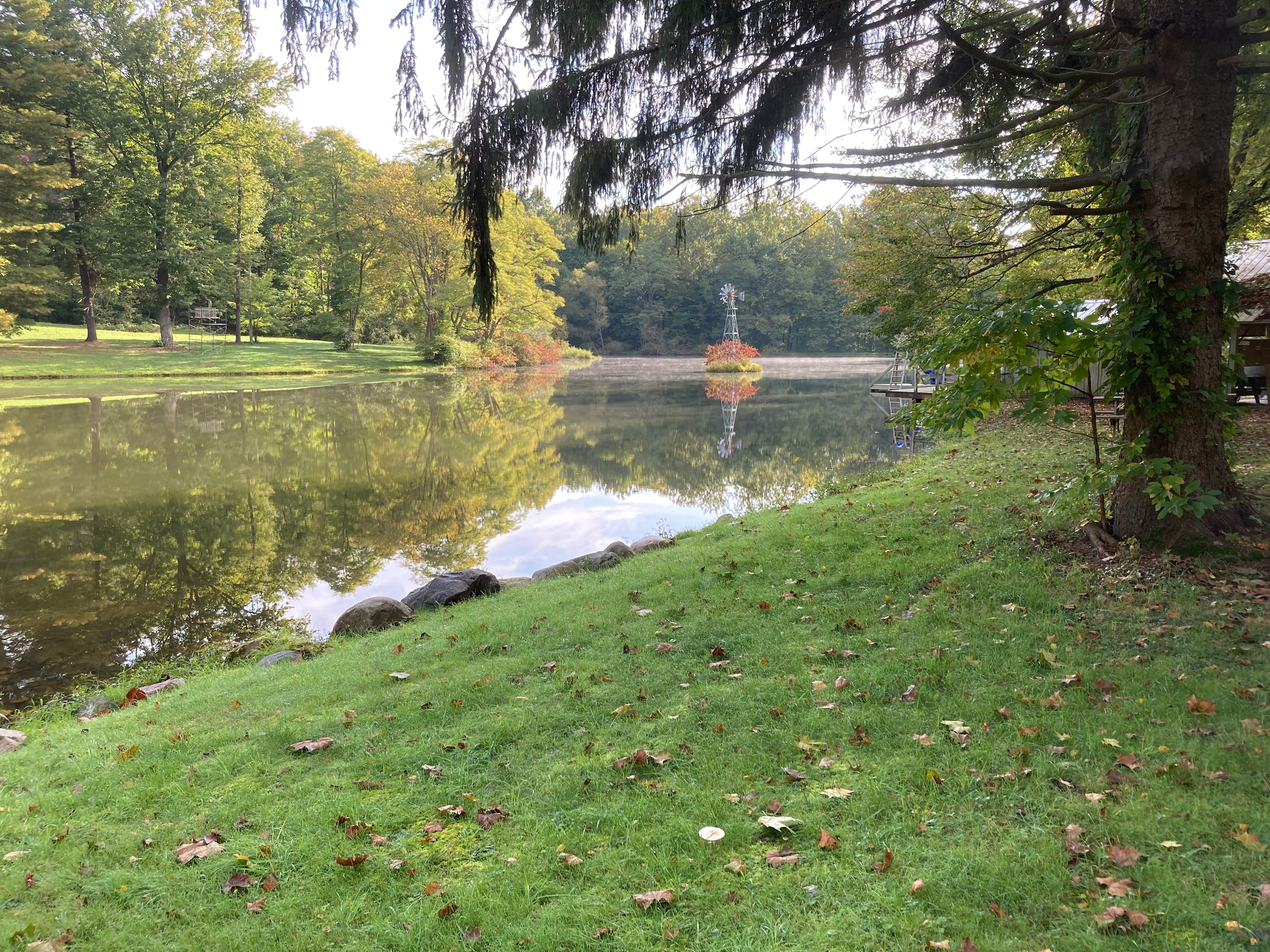
Heritage Lake Farm

1. Heritage Lake Farm

97%
(57)
36mi from Norton · 8 sites · Tents, RVs, Lodging · Garrettsville, OH
Heritage Lake Farm features Heritage Lake, of course, a 2-acre spring-fed lake in the headwaters of  Ohio's Grand River. Heritage Lake offers fishing, a swimming platform with a diving board, a diving board, a trapeze swing.    Park your RV, motorhome or self-contained trailer just off the driveway south of the Host's main cabin for water, electric and sewer on property.  Tent Camping can be separately booked at FarmStay - Tent @HeritageLakeFarm and is allowed most anywhere on the farm as long as it will not interfere with seasonal agricultural operations. Two vintage sleeping cabins can be separately booked at FarmStay - Cabin1 or  FarmStay - Cabin2 @HeritageLakeFarm. Heritage Lake Farm has abundant wildlife and offers excellent opportunities for hiking, birdwatching,  and foraging.
Pets
Potable water
Toilets
from 
$75
 / night
Bass and Buck Tent Adventures

2. Bass and Buck Tent Adventures

100%
(199)
38mi from Norton · 8 sites · Tents · OH
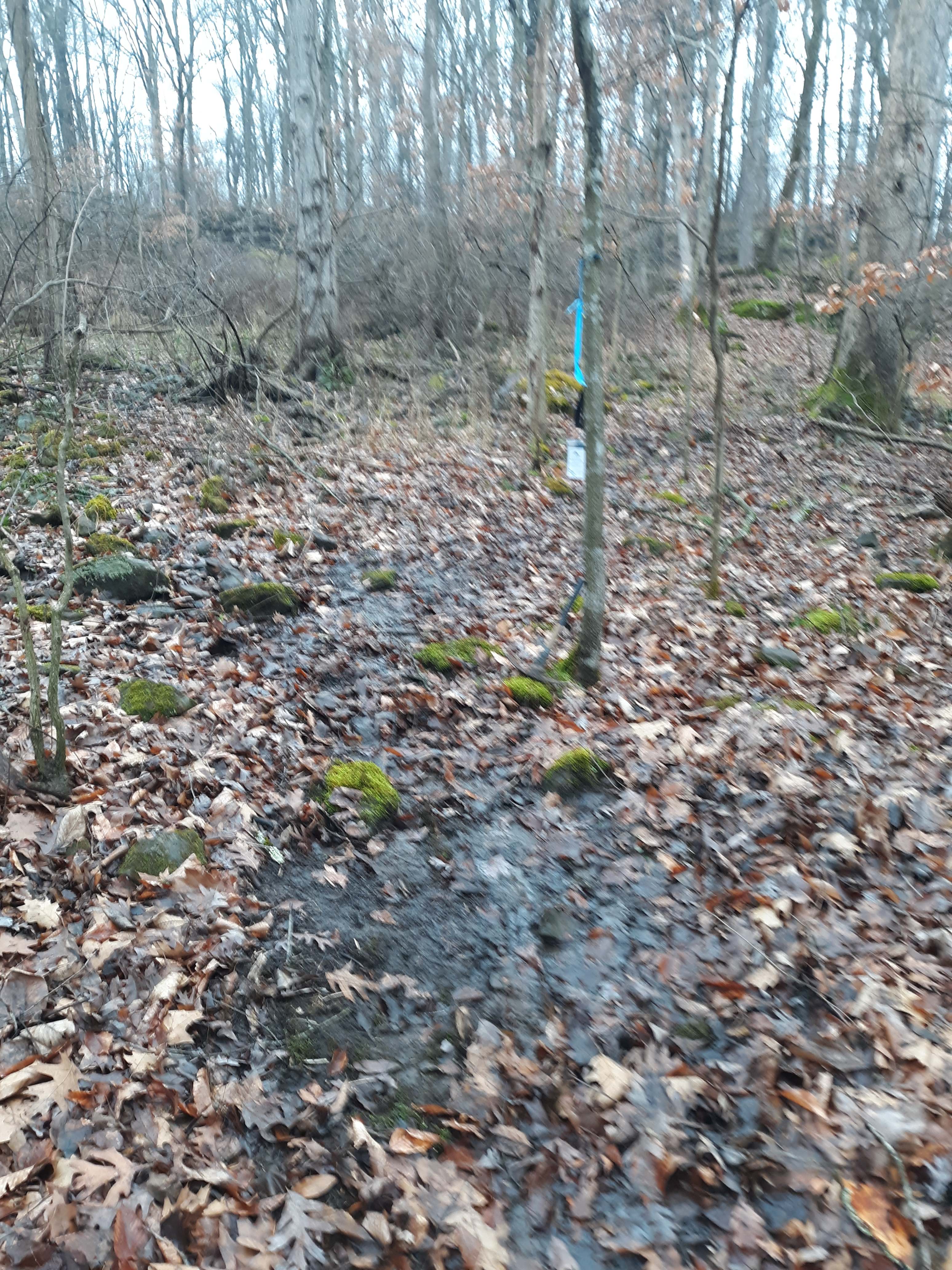
With over 230 acres, a lake, trails, the Grand River, plenty of wildlife, and FREE firewood. Bass and Buck Adventures is the perfect place to get away. Once known as Parkman Gorge the valley was a hub for water powered industry in the early 1800's. The river and valley is home to a wide array of wildlife. Deer, turkey, eagles, hawks, owls, mink, river otters to name a few. The area also attracts many song birds including a wide variety of warblers. There is also an abundance of wild flowers. The valley is rich in Native American history. Many artifacts have been found on the property. My great grandfather talked about the last Native American to live in Parkman. He had a cabin on one of the bluffs along the river. In the 1820's there was a water powered sawmill, flaxseed mill, and forge on the river. The boy scouts used the valley for a camp in the 1920,s. My grandpa purchased the property in the 50's from Ohio Edison. Ohio Edison's plan to dam up the river for hydro power never materialized. The valley has been a favorite for outdoor enthusiasts. Camping, hiking, fishing, hunting. Many of the items used for the camp sites have been reclaimed. The fire rings are old tractor rims and scrap steel. The tent platform is from reclaimed deck lumber. The firewood is excess cutoffs purchased from a local sawmill. For more information log onto our website. bassandbuckadventures.com
Pets
Toilets
Campfires
from 
$36
 / night
The campground is on the right, the nature trail is on the left.

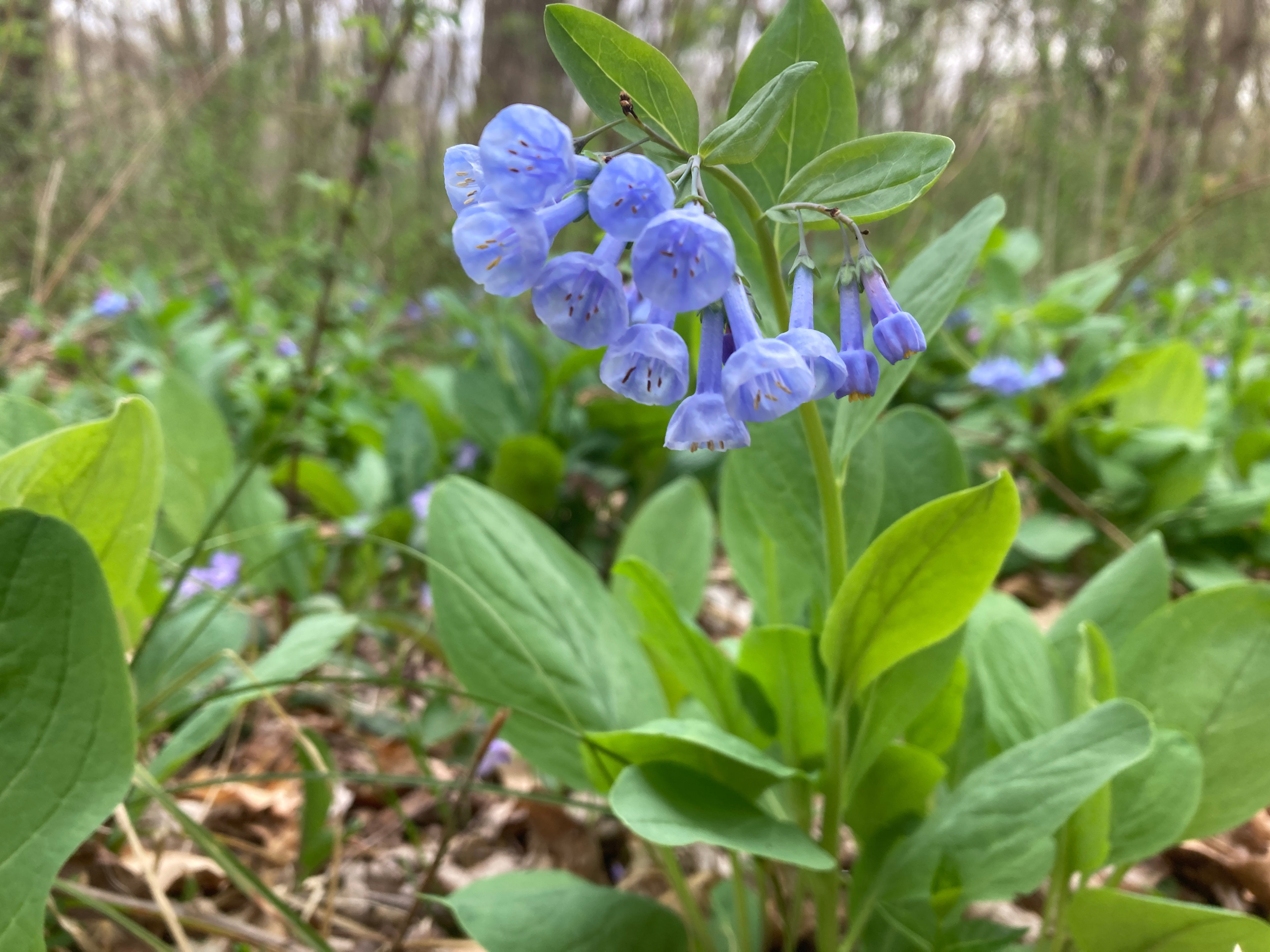
5. Edge of the Ledge Camp

95%
(19)
48mi from Norton · 7 sites · Tents, RVs · Warsaw, OH
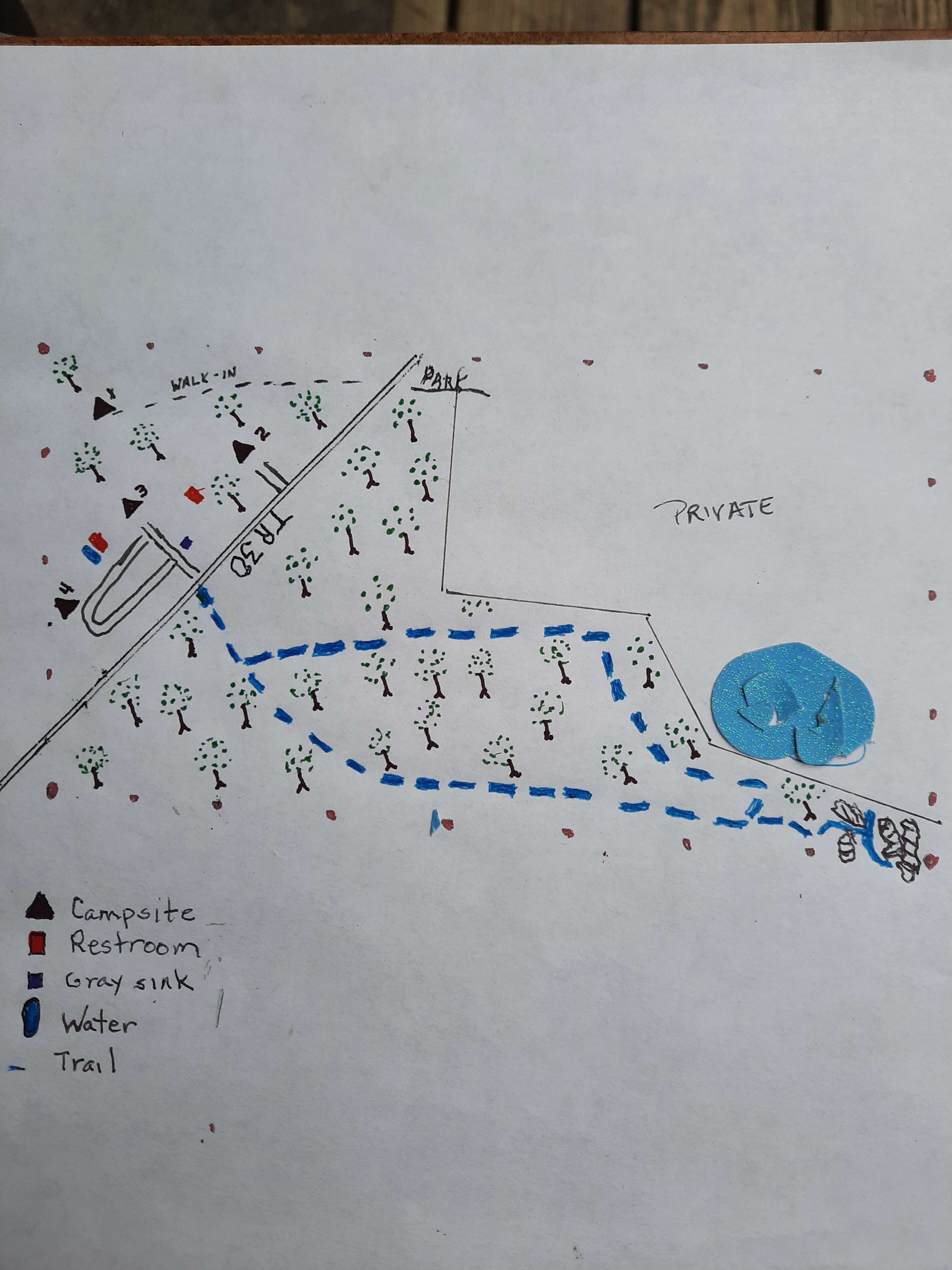
Edge of the Ledge Camp is a 4 site primitive campground on ground is located in a mature oak hardwood forest that offers bright light under a full forest canopy. In our many camping adventures over the years our favorite campgrounds were in our National Forests. We have built the campground with that "feel" of a forest experience. We provide a drinking water station, 2 clean sit arewidely spaced and offer considerable privacy. There is great scenic motor touring from Spring Mountain, the highest point in the county, across the Mohawk Dam, to riverside drives, scenic backroads and a ride across a covered bridge! Walk the forested blue loop nature trail on an adjoining 13 acres that loops through BIG trees and large rocks of glacial till under the shade of an ancient chestnut oak tree. The trail begins across the road opposite the campground driveway. Ticks, mosquitos and deer flies can be bad at times. Protect yourself! See us on Facebook at Edge of the Ledge Camp. The 7 Principals of Leave No Trace *Plan Ahead and Prepare *Know the regulations and special concerns for the area you'll visit. *Prepare for extreme weather, hazards, and emergencies. *Schedule your trip to avoid times of high use. *Visit in small groups when possible. Consider splitting larger groups into smaller groups. *Repackage food to minimize waste. *Use a map and compass or GPS to eliminate the use of marking paint, rock cairns or flagging. (this is a challenging one for us...any suggestions?) *Travel and Camp on Durable Surfaces Durable surfaces include maintained trails and designated campsites, rock, gravel, sand, dry grasses or snow. *Protect riparian areas by camping at least 200 feet from lakes and streams. *Good campsites are found, not made. Altering a site is not necessary. In popular areas: *Concentrate use on existing trails and campsites. *Walk single file in the middle of the trail, even when wet or muddy. *Keep campsites small. Focus activity in areas where vegetation is absent. In pristine areas: Disperse use to prevent the creation of campsites and trails. Avoid places where impacts are just beginning. Dispose of Waste Properly Pack it in, pack it out. Inspect your campsite, food preparation areas, and rest areas for trash or spilled foods. Pack out all trash, leftover food and litter. Utilize toilet facilities whenever possible. Otherwise, deposit solid human waste in catholes dug 6 to 8 inches deep, at least 200 feet from water, camp and trails. Cover and disguise the cathole when finished. Pack out toilet paper and hygiene products. To wash yourself or your dishes, carry water 200 feet away from streams or lakes and use small amounts of biodegradable soap. Scatter strained dishwater. Leave What You Find Preserve the past: examine, photograph, but do not touch cultural or historic structures and artifacts. Leave rocks, plants and other natural objects as you find them. Avoid introducing or transporting non-native species. Do not build structures, furniture, or dig trenches. Minimize Campfire Impacts Campfires can cause lasting impacts to the environment. Use a lightweight stove for cooking and enjoy a candle lantern for light. Where fires are permitted, use established fire rings, fire pans, or mound fires. Keep fires small. Only use down and dead wood from the ground that can be broken by hand. Burn all wood and coals to ash, put out campfires completely, then scatter cool ashes. Respect Wildlife Observe wildlife from a distance. Do not follow or approach them. Never feed animals. Feeding wildlife damages their health, alters natural behaviors, [habituates them to humans], and exposes them to predators and other dangers. Protect wildlife and your food by storing rations and trash securely. Control pets at all times, or leave them at home. Avoid wildlife during sensitive times: mating, nesting, raising young, or winter. Be Considerate of Other Visitors Respect other visitors and protect the quality of their experience. Be courteous. Yield to other users on the trail. Step to the downhill side of the trail when encountering pack stock. Take breaks and camp away from trails and other visitors. Let nature's sounds prevail. Avoid loud voices and noises. These principles were established by the Leave No Trace Center for Outdoor Ethics, and built on work by the US Forest Service, National Park Service, and Bureau of Land Management in the mid 1980s. This relationship continues today. The principles are based on and informed by scientific research in the fields of recreation ecology and human dimensions of natural resources. Take a look at the science behind the principles on the Leave No Trace website. Thank you for doing your part to protect our natural world. Leave No Trace Seven Principles © 1999 by the Leave No Trace Center for Outdoor Ethics: www.LNT.org.
Pets
Potable water
Toilets
from 
$35
 / night

Stories from the community

Value Prop
Value Prop
Happy farmer sitting in a truck in a grassy field