Top-rated campgrounds near Thunder Bay
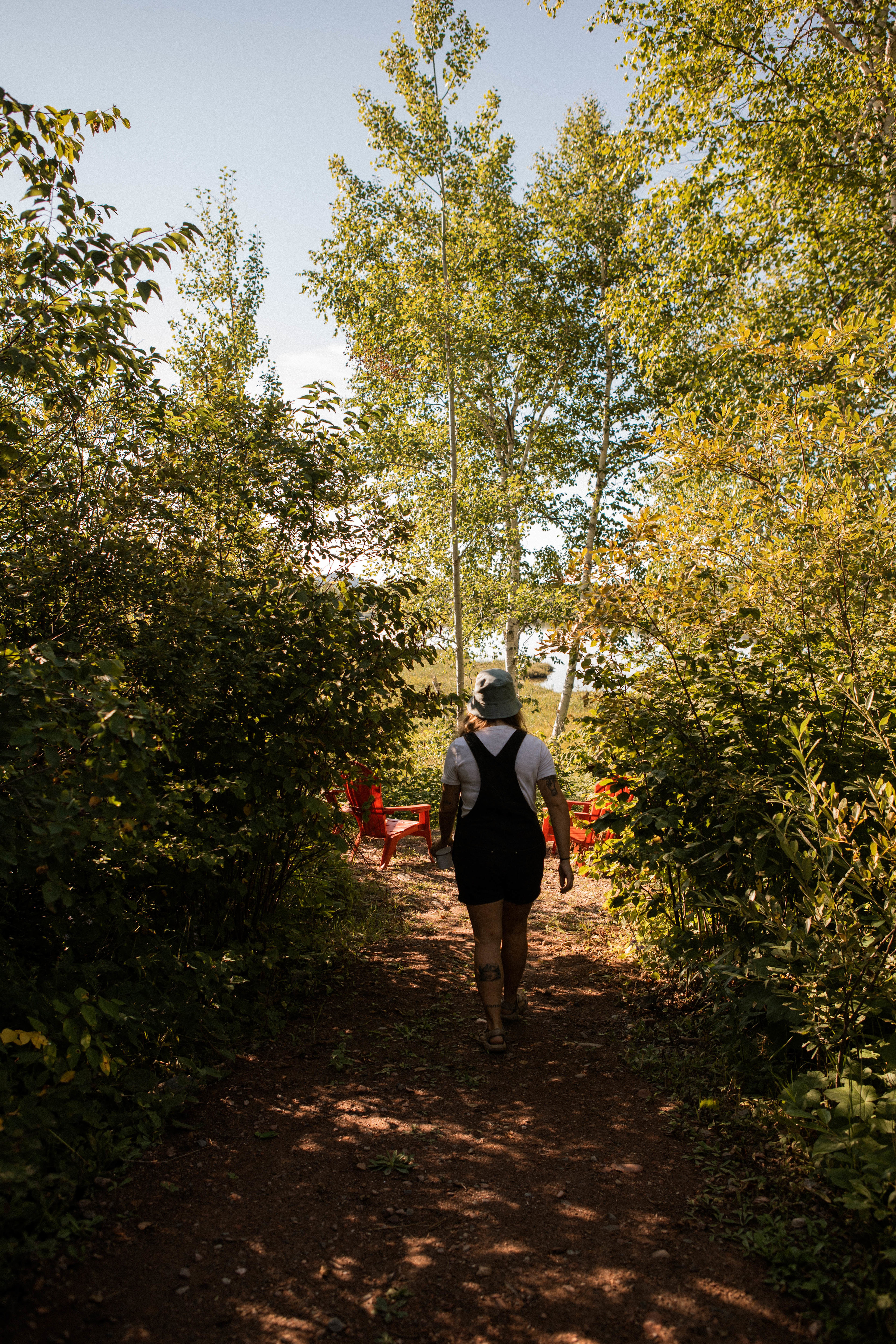
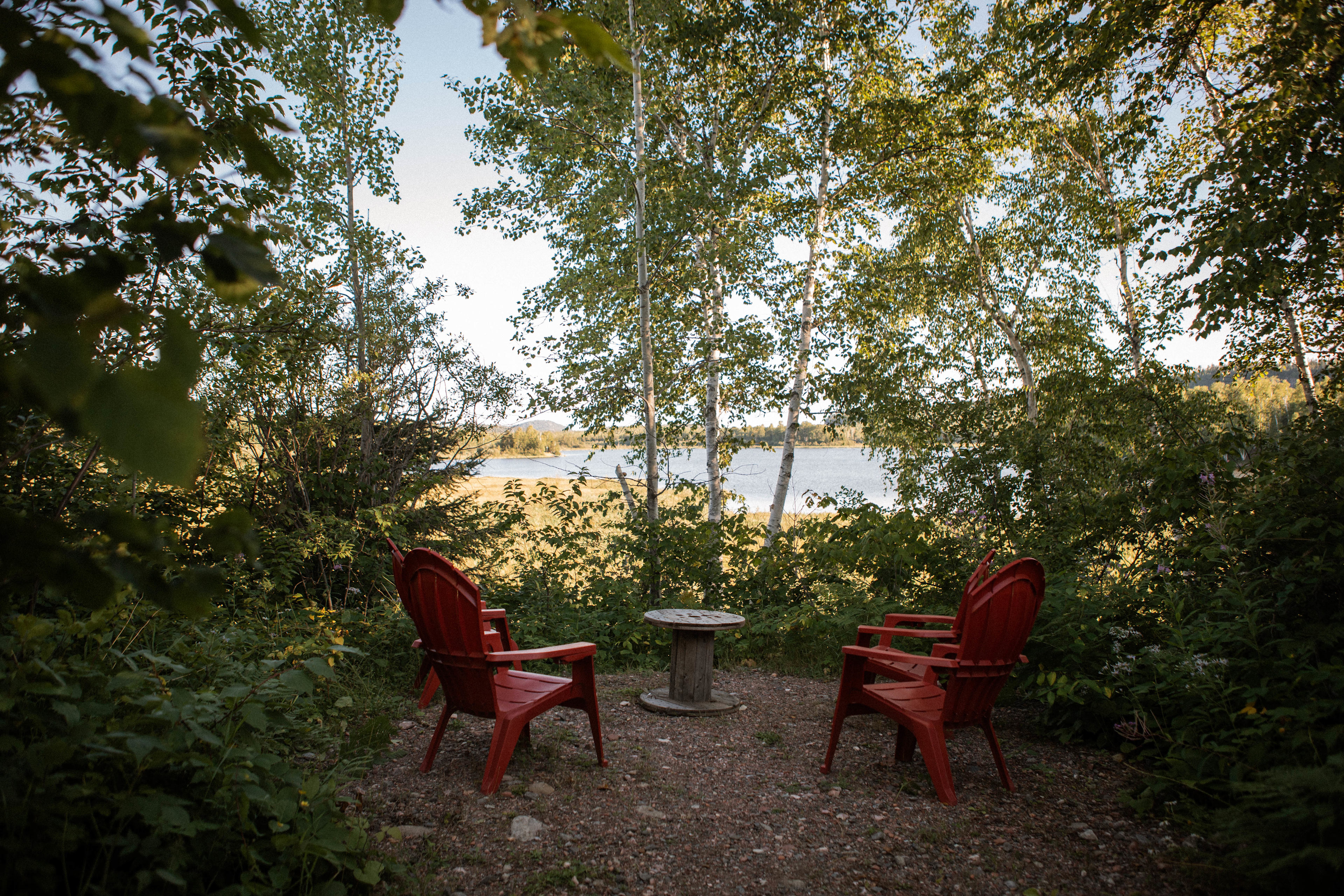
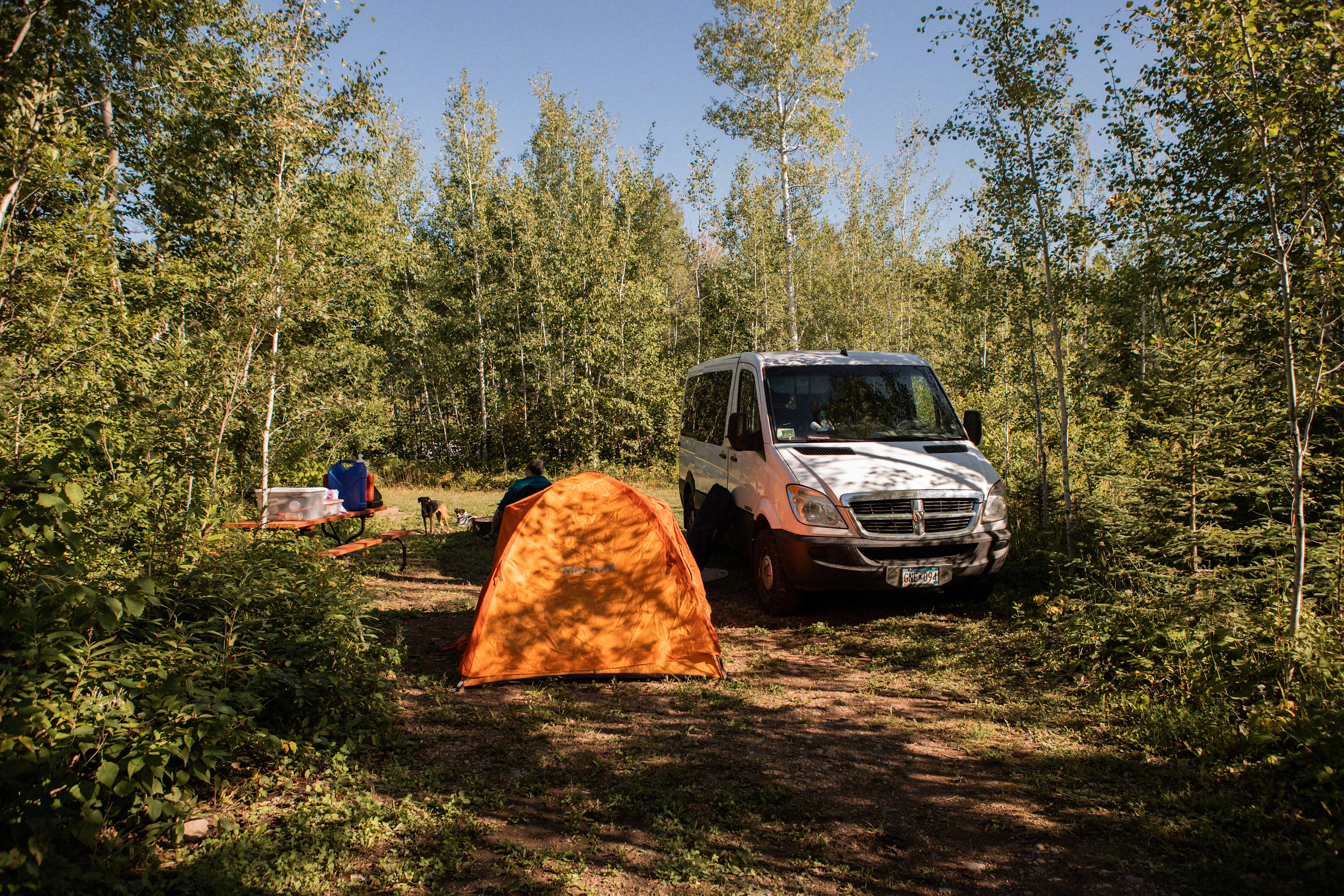
1. Latibule Resort and Campground
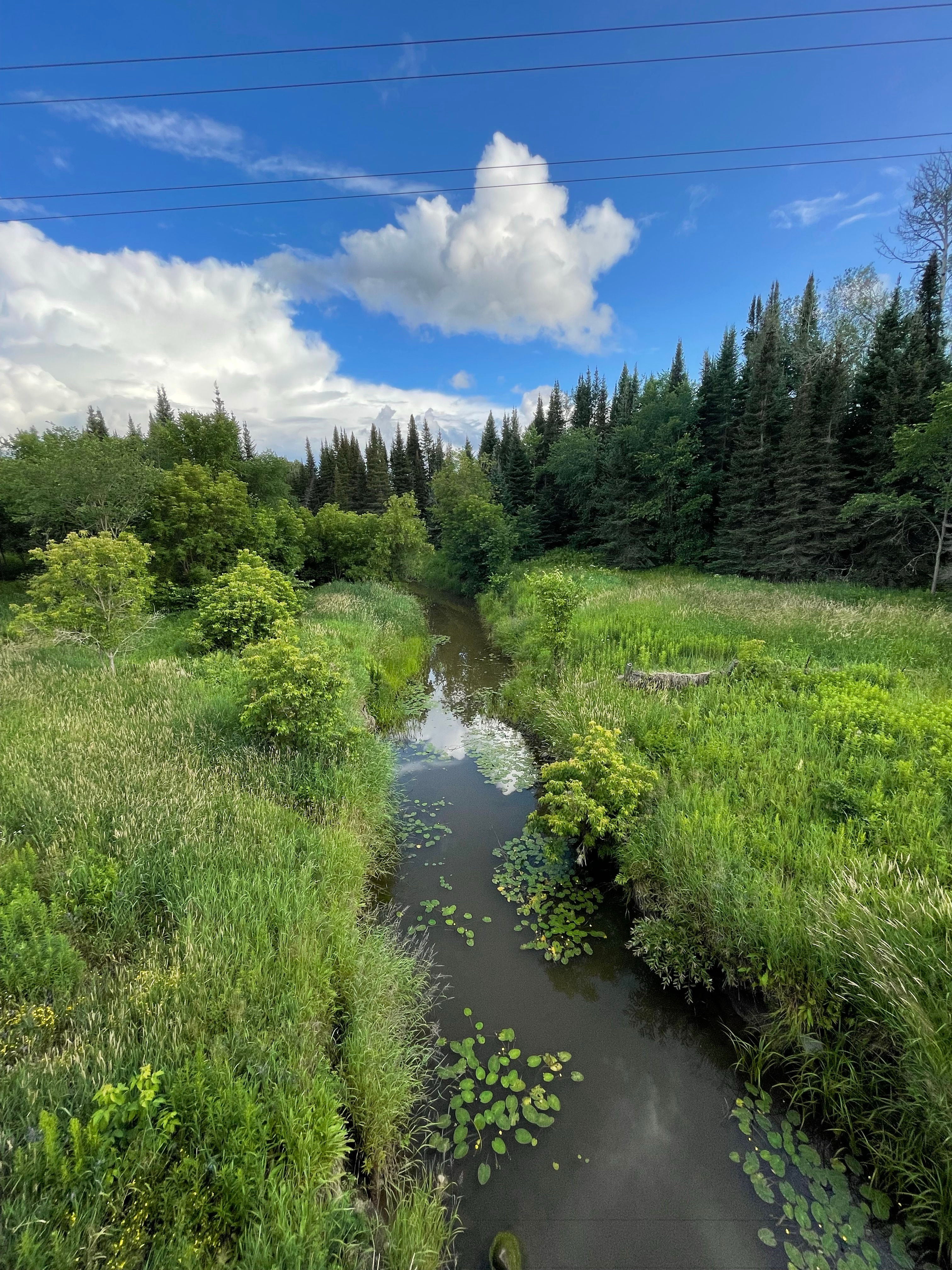
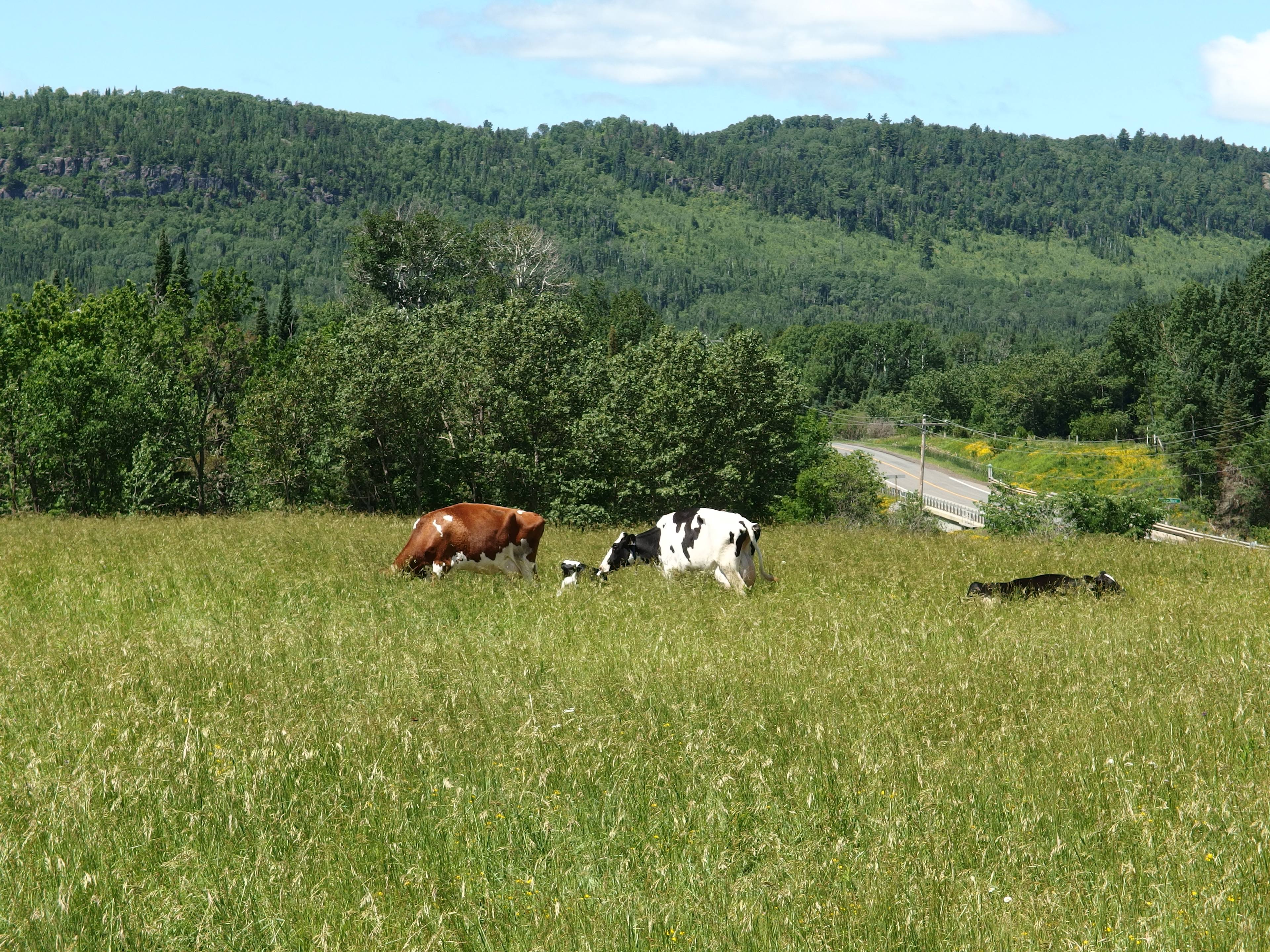
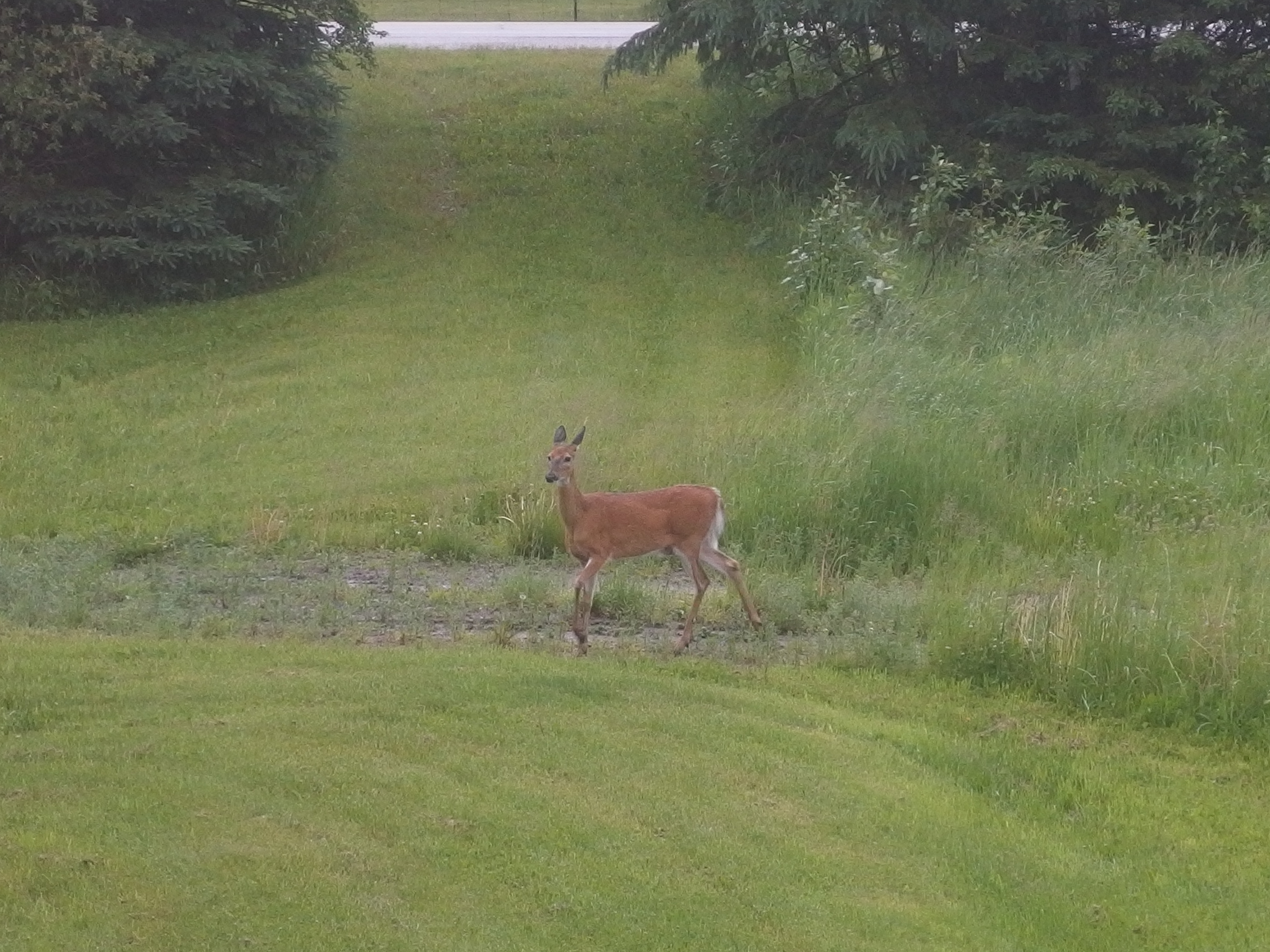
2. Slate River Dairy
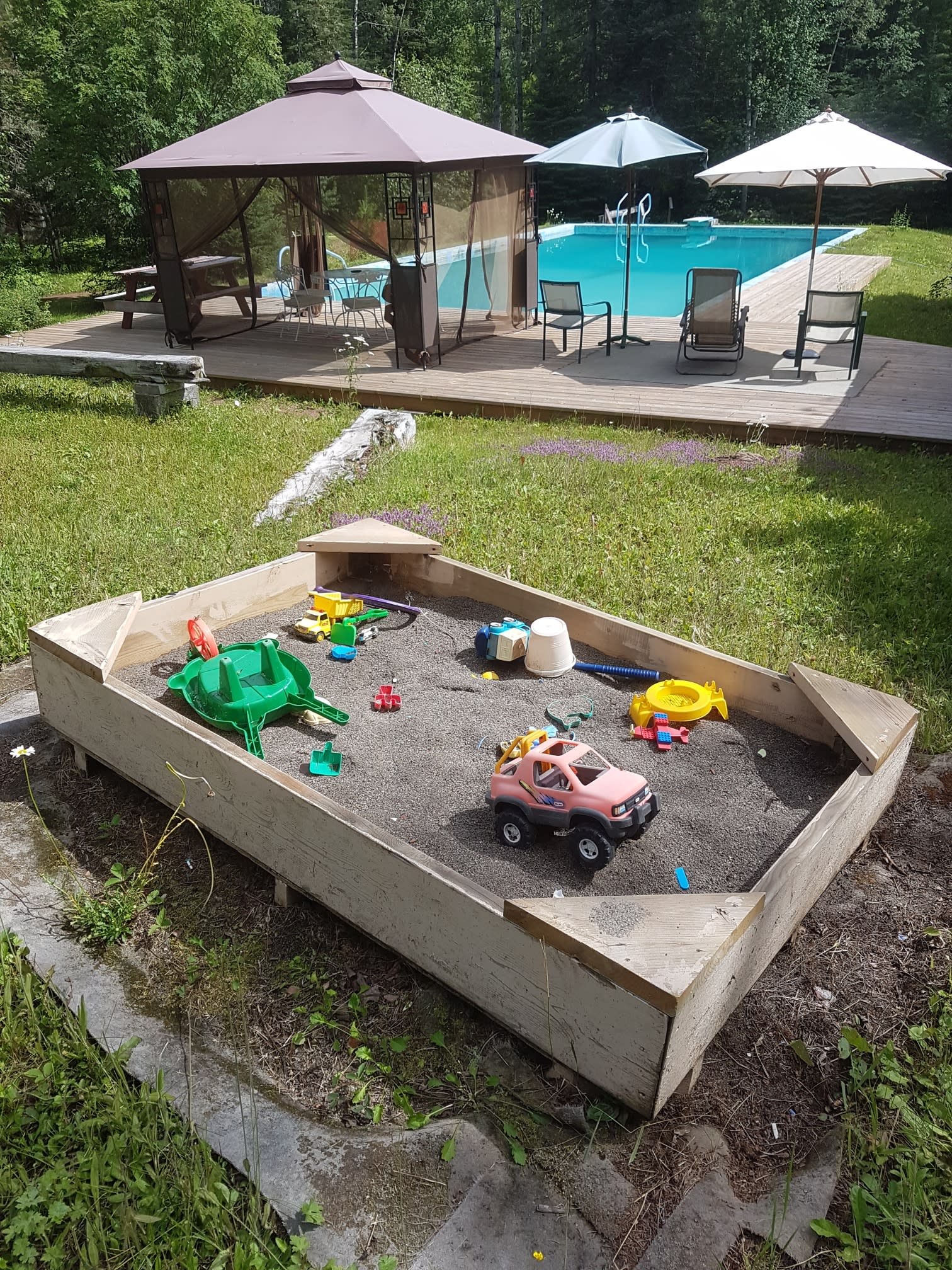
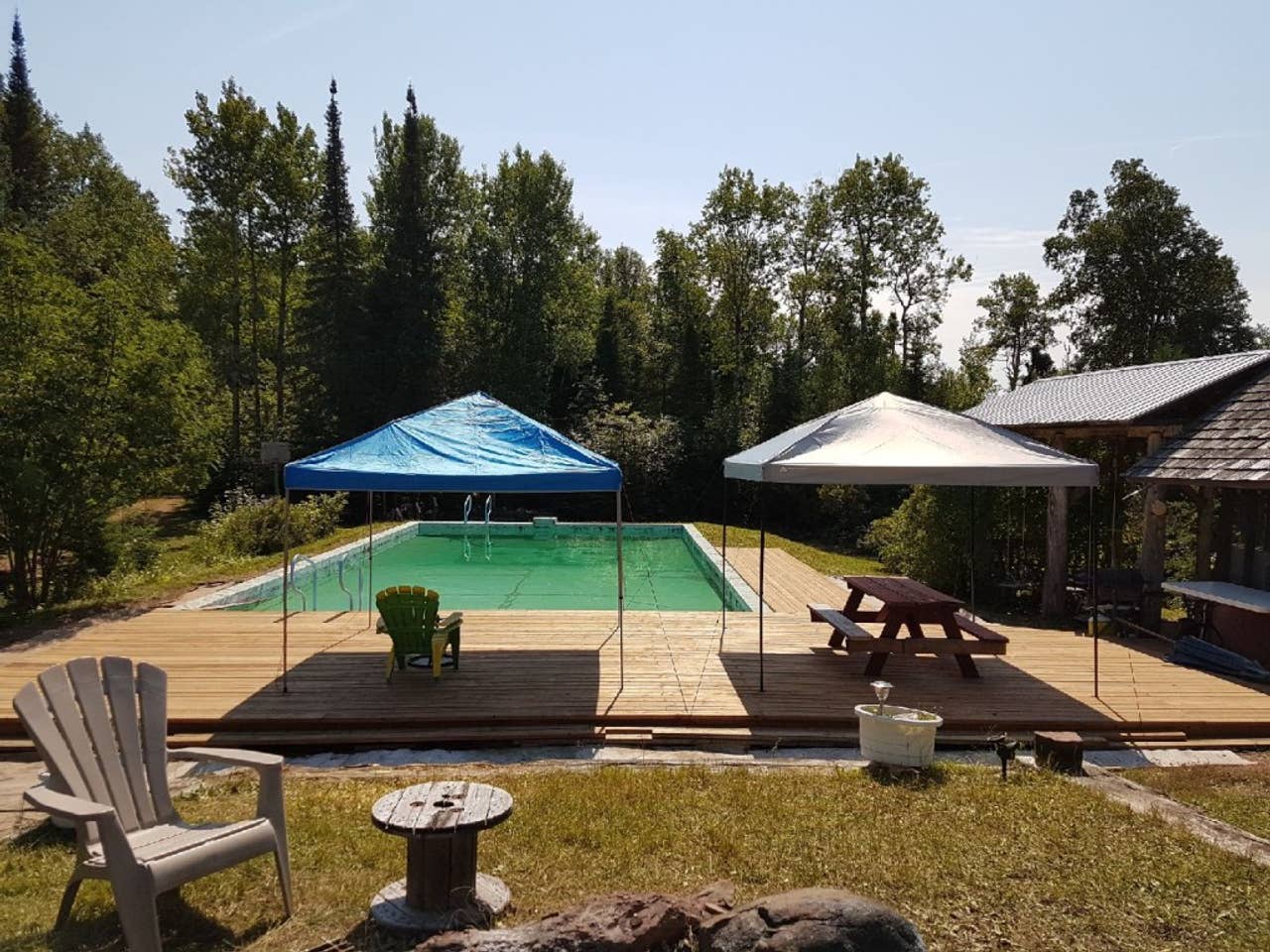
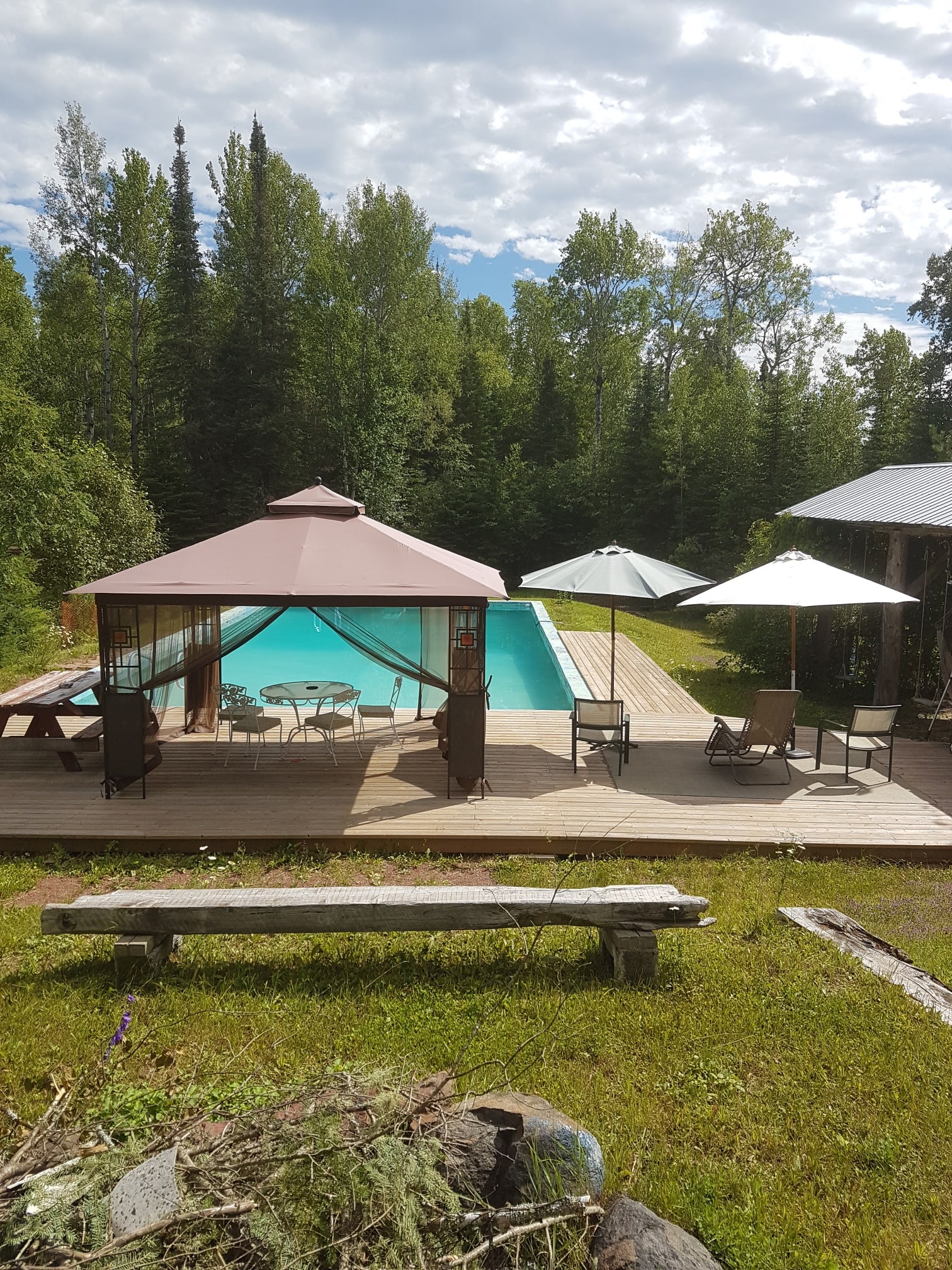
3. Peaceful Poolside Bliss!
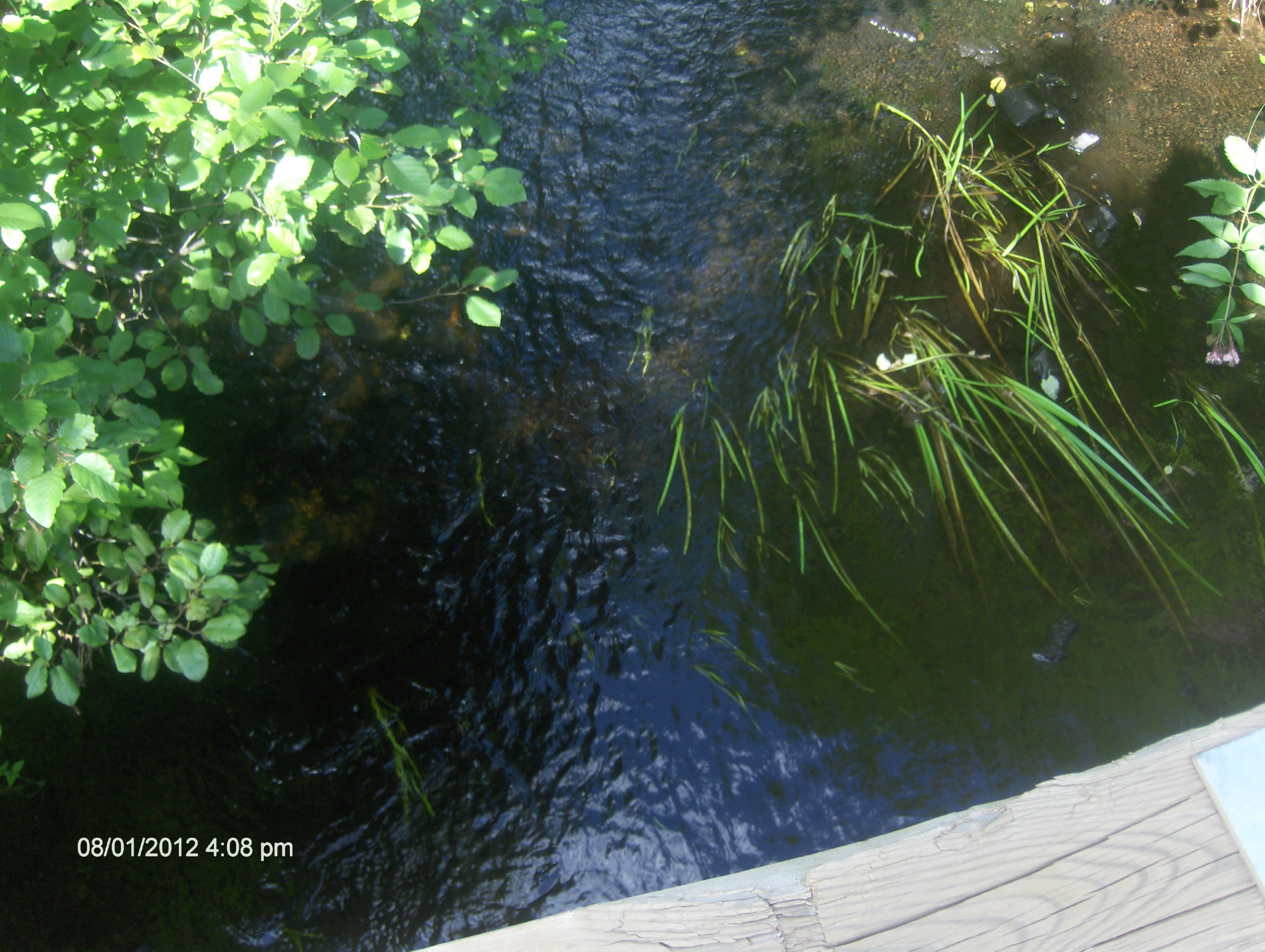
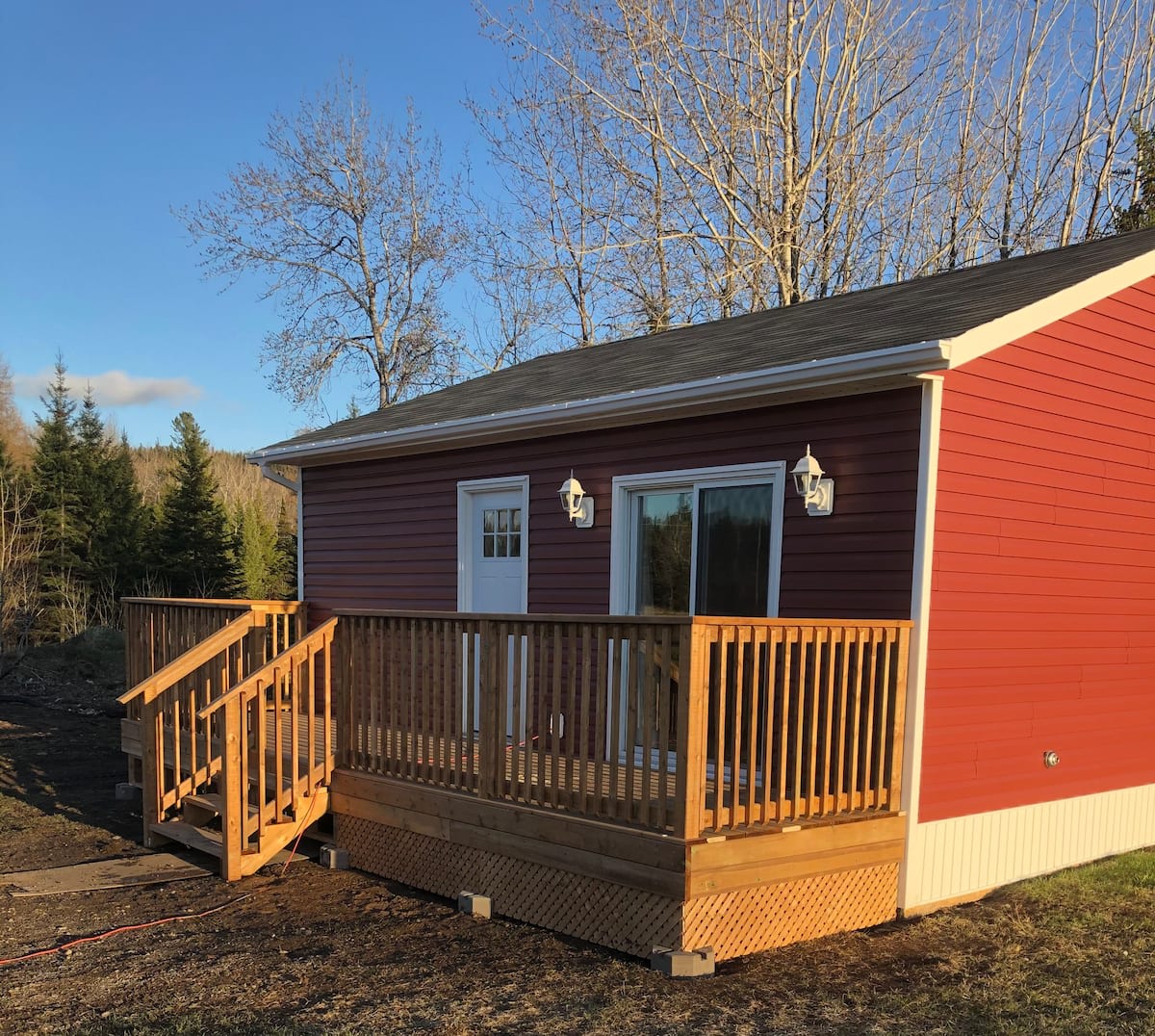
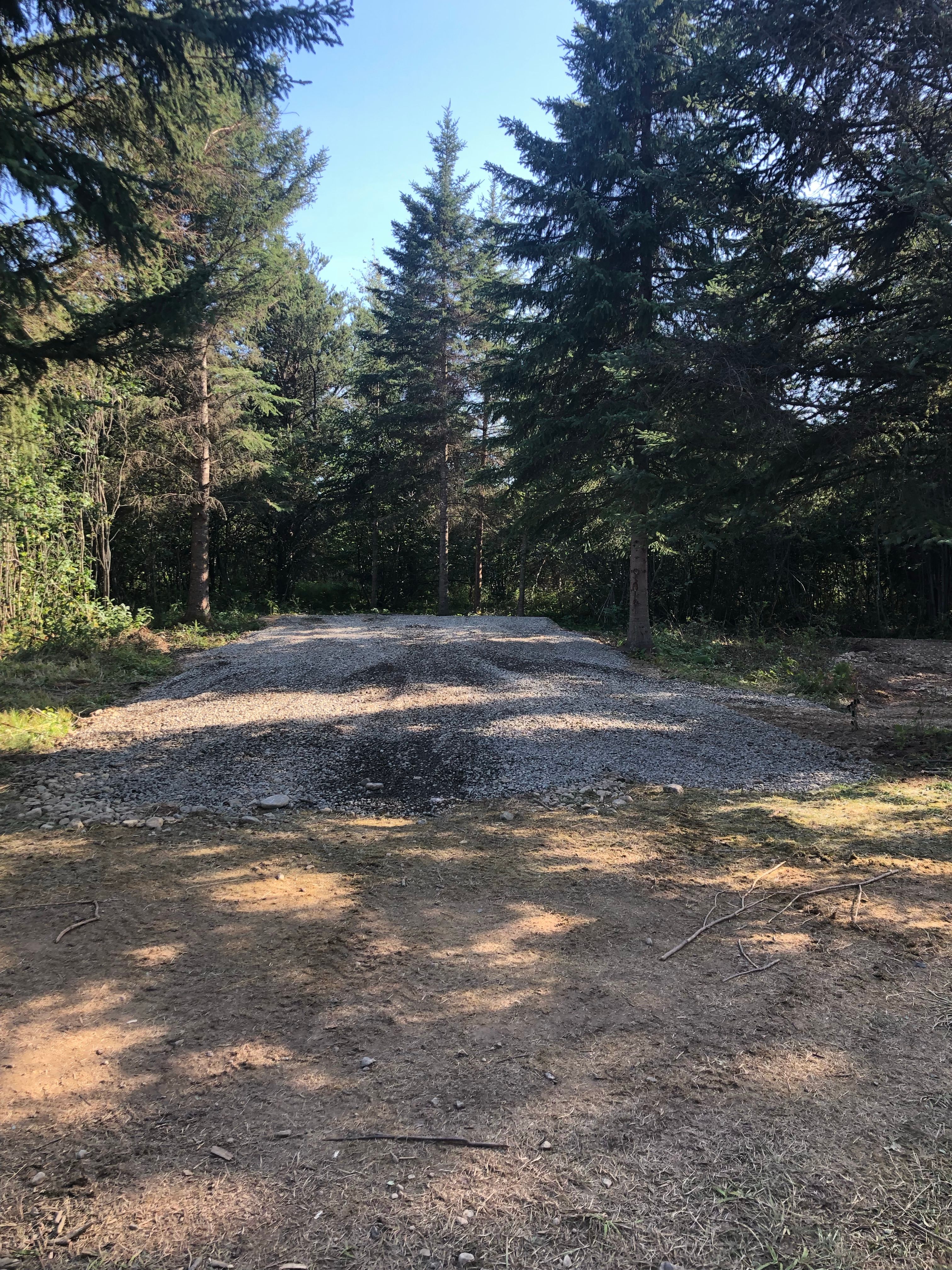
4. Silver Mountain Lux and Cozy Cabin
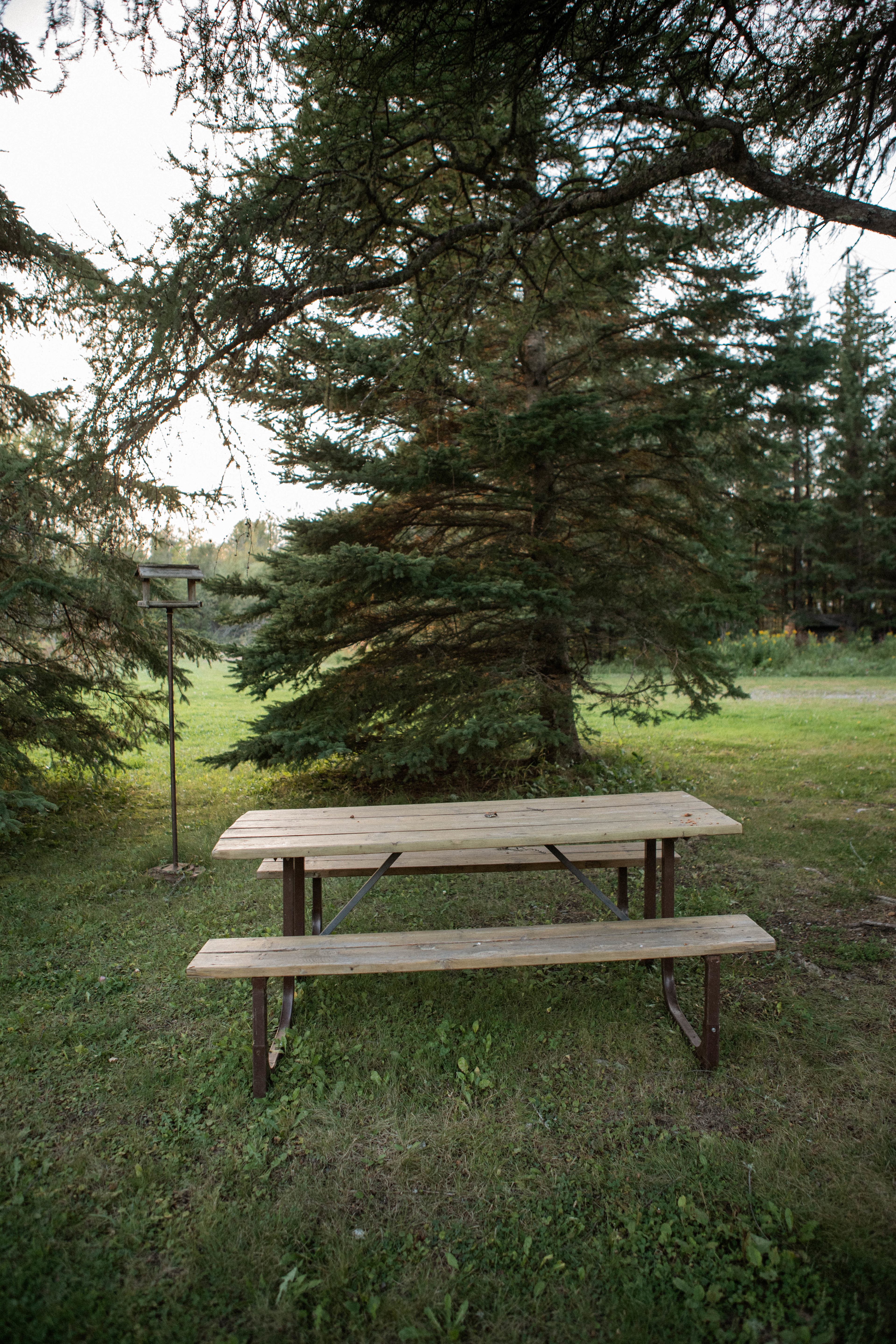
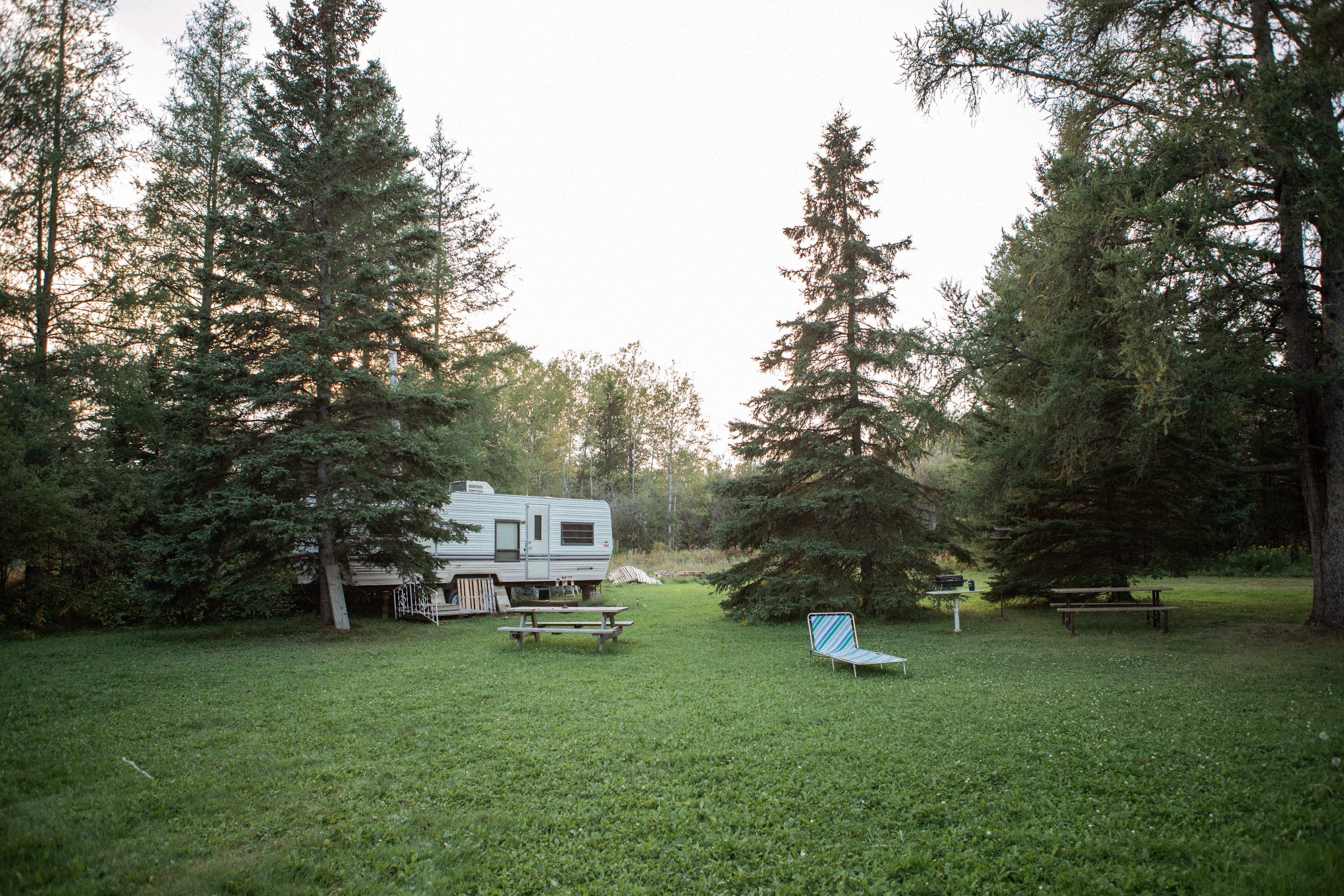
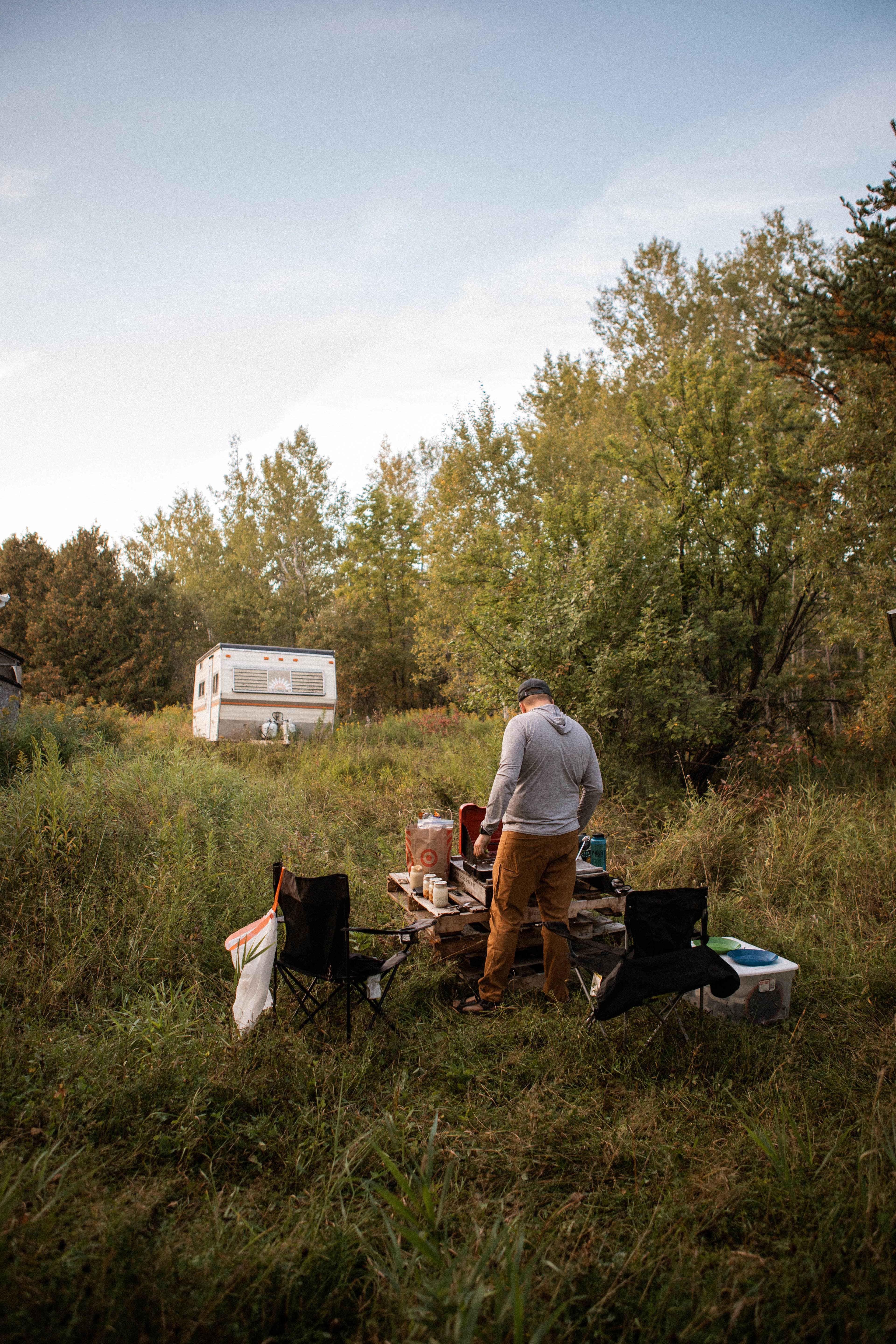
5. My Happy Place
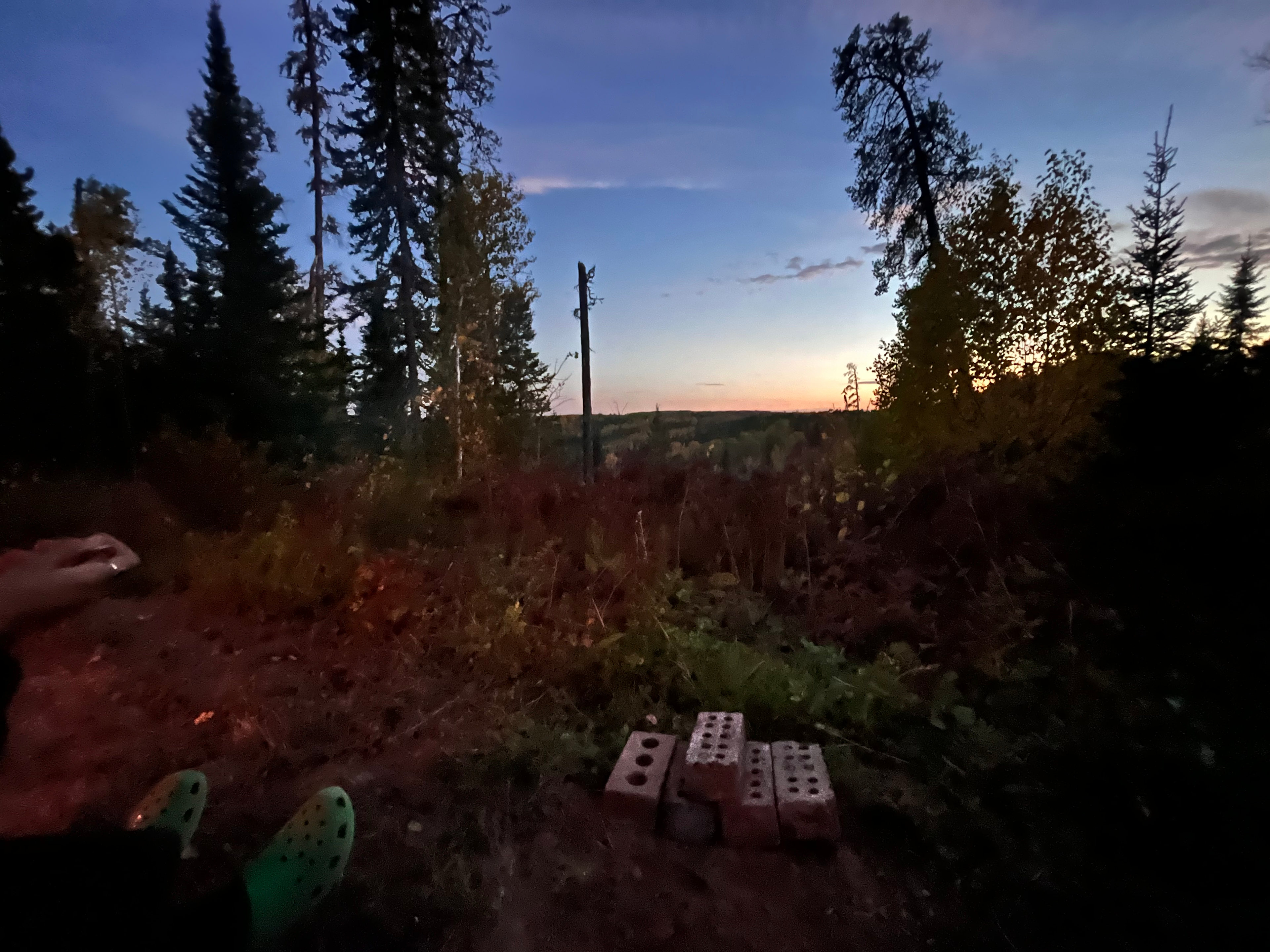
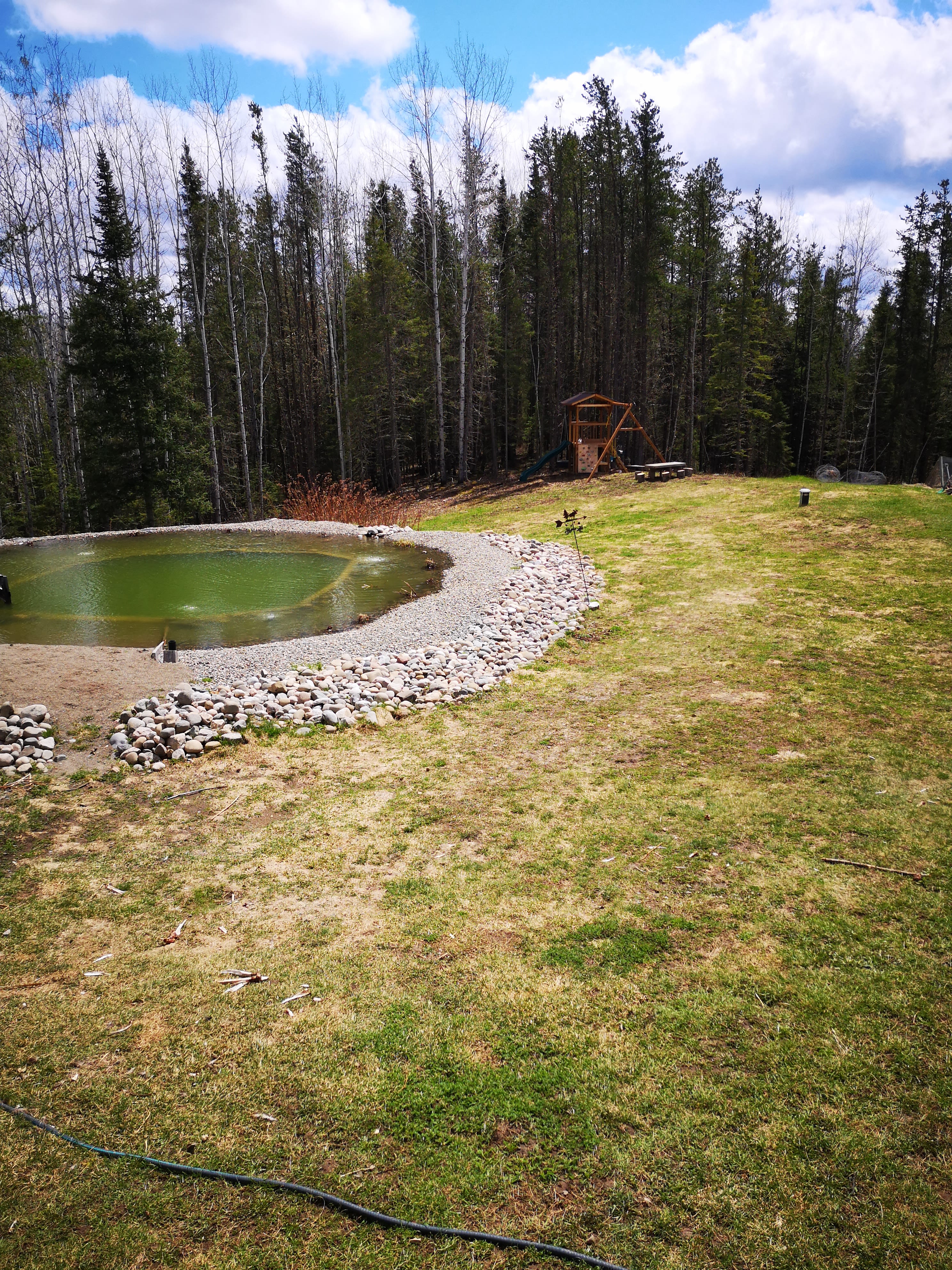

6. Boreal Bliss Camping
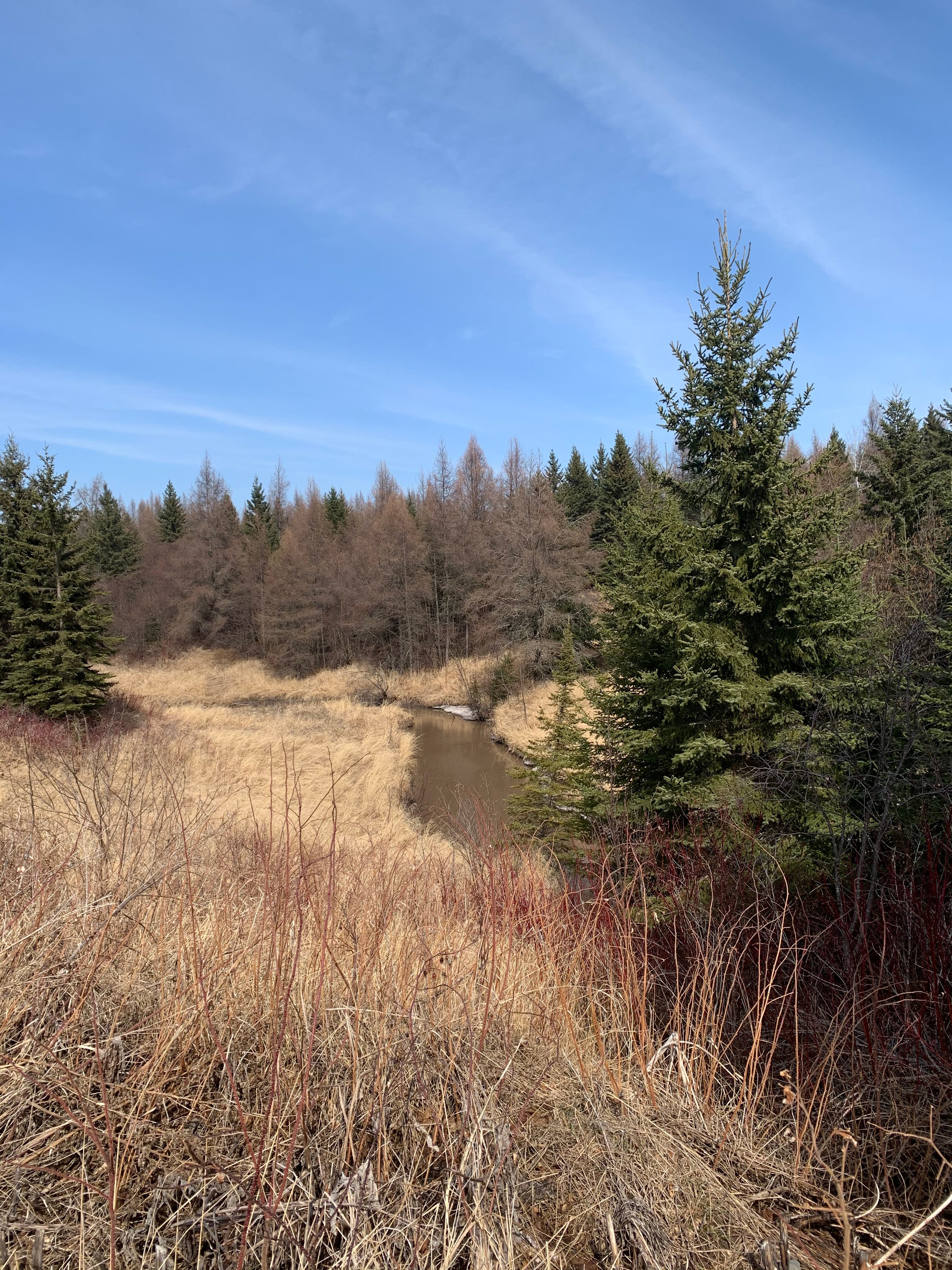
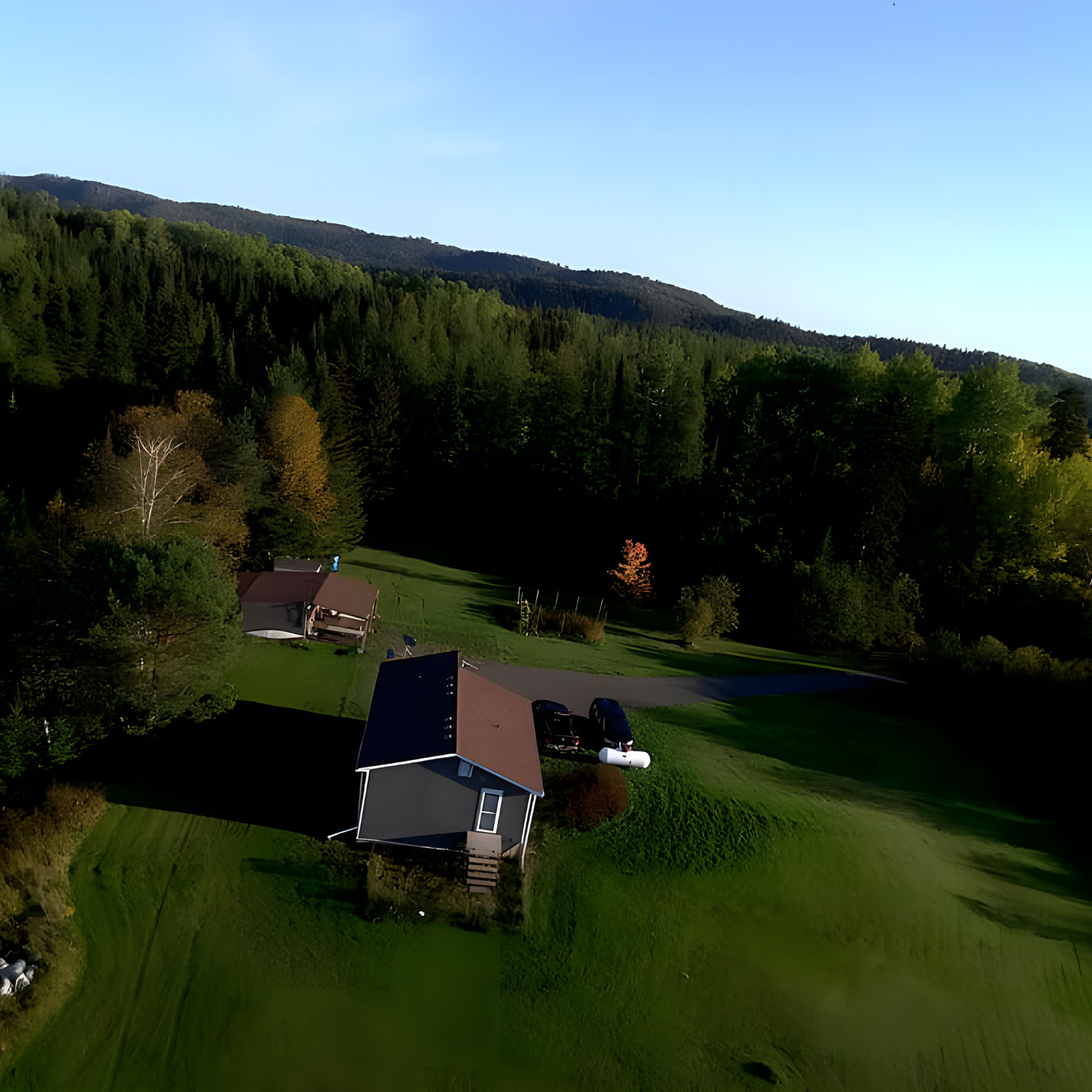
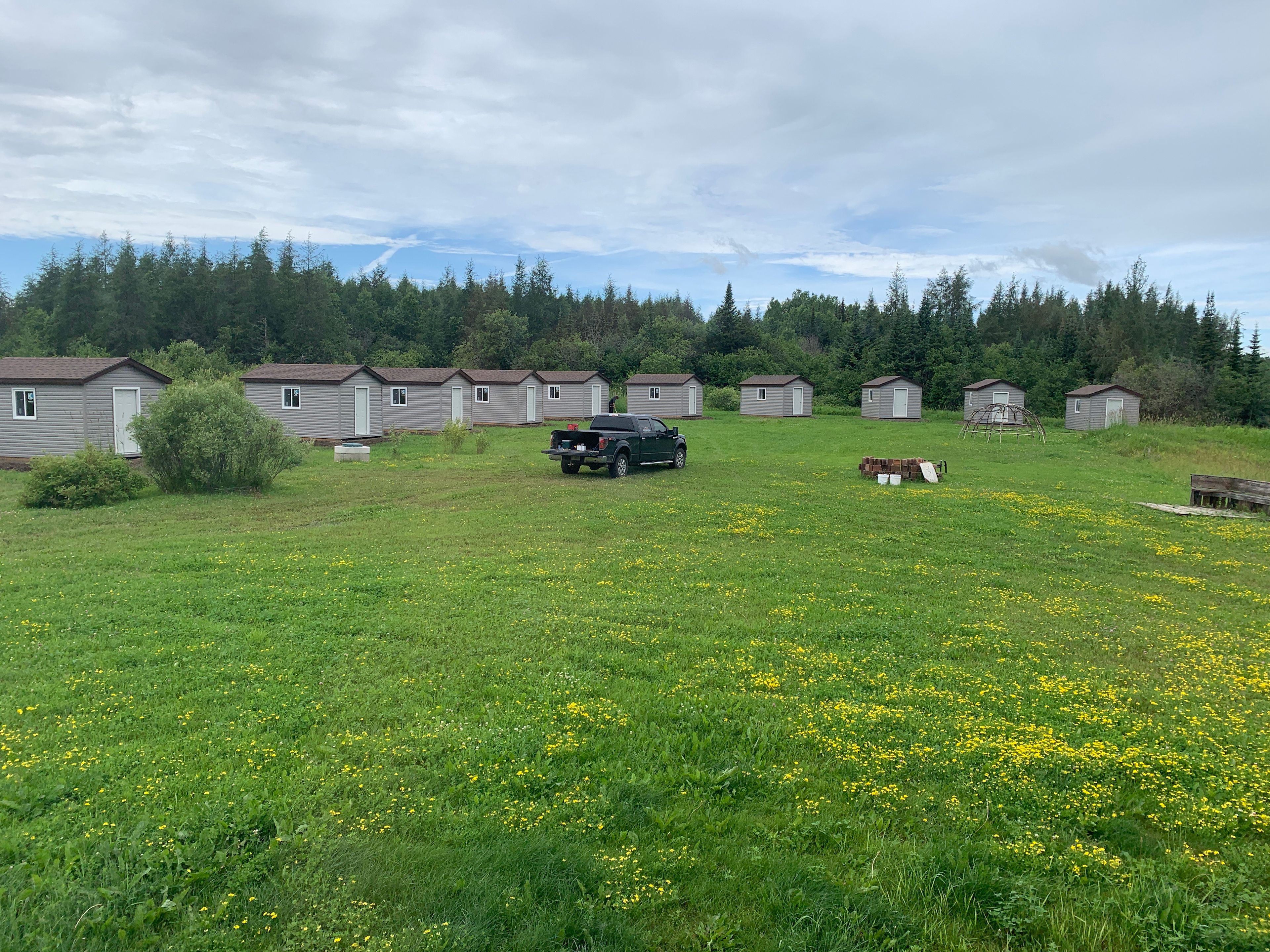
7. Niibing Tribal Tours
Top-rated campgrounds near Thunder Bay
1. Latibule Resort and Campground
2. Slate River Dairy
3. Peaceful Poolside Bliss!
4. Silver Mountain Lux and Cozy Cabin
5. My Happy Place
6. Boreal Bliss Camping
7. Niibing Tribal Tours
Recent reviews from the Hipcamp community








The best camping near Thunder Bay with campfires guide
Where to go
Sleeping Giant Provincial Park
At Sleeping Giant, more than 100km of hiking trails lead campers through unique geographical features and boreal forest with unparalleled views out over Lake Superior. The park is home to a diverse range of wildlife, including lynx, timber wolves, white-tailed deer, the endangered grey fox, and more than 200 bird species. Mountain biking is popular in summer, while skiing reigns supreme in winter.
Lake Superior National Marine Conservation Area
The protected waters of the truly immense Lake Superior and the lands around it form this park that is a haven for wildlife. Hike the many trails, get out on that water on your kayak or swim from the beaches, cast a line, or if you’re a diver explore more than 50 sunken vessels on the lake bed.
Silver Falls Provincial Park
Known for having one of Northern Ontario's best hiking trails (which leads to Silver Falls), this park offers sandy swimming beaches, pristine waterways for kayaking, canoeing, and fishing, and seasonal rustic camping.
La Verendrye Provincial Park
This waterway park on the Minnesota border was once part of the historic fur-trading route from Lake Superior to Winnipeg. The park is unstaffed with no entry fees and limited facilities, but backcountry and car camping are allowed.
When to go
With a population of more than 110,000, Thunder Bay is a year-round city despite extremely cold winters. Restaurants and most attractions stay open through winter, but spots like Fort Williams Historical Park are seasonal. Winters in Northern Ontario are brutal with temperatures dipping below -40°C and rough road conditions, so you'll need to be well prepared to plan a winter camping trip to Thunder Bay.
Know before you go
- Getting to any parks around Thunder Bay without a vehicle is near impossible. If you rent a car in winter, late fall, or early spring, consider getting one with snow tires.
- Plenty of stores in Thunder Bay sell camping gear and trip provisions.
- Cell reception can be patchy outside of the city.
- The Pigeon River border crossing is only 50km from Thunder Bay, but you’ll need to make sure you have a passport and valid travel documents to cross into the US (and to get back into Canada).